Complete FX Day Trading Guide for Beginners: Basics, Strategies, Tips & Risk Management

 2026-04-17
"Can I really do FX day trading myself?"
If you’ve arrived at this article with that doubt or concern,
FX day trading is gaining attention as a way for busy office workers to earn extra income starting with small amounts.
At the same time, many people worry, "Is the risk manageable?" or "What differentiates winners from losers?"—these are common concerns.
In this article, we provide full support for beginners to take their first step from zero.
We systematically explain everything from "FX day trading basics," "how to start safely," "practical techniques used by professionals," "realistic risk management," to "winning strategies unique to day trading"
as a complete guide.
Technical terms and complex techniques are broken down into simple explanations, so even readers with zero prior knowledge can follow with ease.
"By the time you finish reading this page, you will be able to take your very first concrete action."
Read on with confidence and follow through to the end.

What is FX Day Trading? Basics and Key Features for Beginners

Definition of FX Day Trading and Basic Knowledge of the FX Market
FX day trading refers to a trading style where positions are opened and closed within the same day. While day trading exists in stocks and other financial instruments, FX (foreign exchange margin trading) has unique features: you can trade 24 hours on weekdays and efficiently target profits even with small capital using leverage.
The biggest advantage of day trading is that positions are not carried overnight, avoiding overnight risk. This helps minimize “unexpected losses” due to sudden news or currency fluctuations.
Since day trading involves multiple trades in a short period, it allows for more measured decisions than scalping, with several to a dozen entries and exits per day being common.
Traders often focus on periods with high market activity (e.g., overlapping London and NY sessions), making evening “side-job day trading” feasible for office workers.
Differences from Scalping and Swing Trading
There are three main trading styles in FX.
| Trading Style | Position Holding Time | Main Features | Best Suited For |
|---|---|---|---|
| Scalping | Seconds to minutes | Ultra-short-term / frequent trades / small profit per trade | Those who can monitor the screen for long periods |
| Day Trading | Minutes to hours | Closed within the day / balanced style | Those with several hours available during the day or evening |
| Swing Trading | Days to weeks | Long-term positions / targeting major trends | Busy individuals or those who prefer careful analysis |
Day trading is a “short-term focused & risk-limited” style:
・Less hectic than scalping,
・No overnight risk like swing trading,
making it a “best-of-both-worlds” approach.
Who is Day Trading Suitable or Unsuitable For
-

Can dedicate 2–3 hours on weekday evenings or weekends for trading
-
Can cut losses systematically without overreacting to market swings
-
Patient and logical, enjoys methodical trading
-

Cannot monitor screens due to work or household duties
-
Makes impulsive trades driven by emotion
-
Only aims for “one-shot wins”
Always check first whether this style fits your lifestyle and personality.
Complete Guide to FX Day Trading Pros and Cons
Main Advantages of FX Day Trading
FX day trading offers several attractive points that other investment styles do not.
-
Avoids overnight risk
By closing trades within the same day, it reduces the risk of sudden market moves caused by unexpected economic news, disasters, or statements from key figures. -
Can accumulate profits in a short time
By focusing trading during active daytime price movements, it is easier to steadily build up gains. -
Easy to start with small capital
Using leverage, it is possible to start with a few hundred to several thousand dollars. This makes it appealing for office workers or homemakers approaching trading as a side activity. -
24-hour trading
Trades can be conducted during nights or early mornings on weekdays, ideal for those wanting to use free time after work.
Main Disadvantages of FX Day Trading
On the other hand, day trading has its own cautions and risks.
-
Higher transaction costs due to frequent trades
Even if each trade's cost is small, frequent trading can accumulate and reduce profits. -
Constant market monitoring can be mentally exhausting
Spending long hours watching the screen can be draining, especially for beginners. -
Difficulty in making stop-loss and profit-taking decisions
Short-term trading means a momentary mistake can cause significant losses. -
Prone to being misled by “easy money” illusions
Success stories are common on social media and YouTube, but in reality, “consistency and strict rule adherence” are essential.
Quick Comparison Table: Advantages & Disadvantages
| Advantages | Disadvantages |
|---|---|
| Avoids overnight risk | Higher transaction and spread costs |
| Targets profits in a short period | Mentally demanding |
| Can start with small capital | Stop-loss and profit-taking decisions are challenging |
| 24-hour trading (night trading possible) | Beware the “easy money” illusion |
How to Start Day Trading: Preparation, Account Selection, and Demo Trading
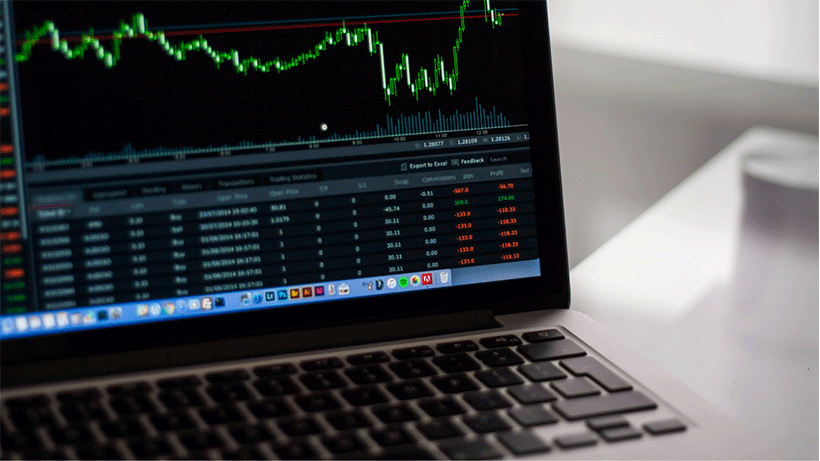
Basic Steps to Begin Day Trading
To start FX day trading, it’s important to follow certain preparations and procedures. Especially for beginners, instead of immediately using real funds, taking a "step-by-step" approach helps minimize risk.
-
1.
Create a funding plan Start with an amount separate from your living expenses that you can afford to lose. As a guideline, a few hundred to several thousand dollars is sufficient for the first attempt.
-
2.
Open an FX account Major domestic FX brokers allow easy online account opening. ID verification and screening are required, but trading can start within a few days.
-
3.
Practice with a demo account
Many brokers provide demo trading environments. Experience realistic price movements with virtual money and familiarize yourself with operations and order flow. -
4.
Find a trading style and time frame that suit you Consider your lifestyle and test which time periods allow you to concentrate, such as evenings after work or weekends.
Key Points and Considerations for Choosing an Account
-
Tight spreads (trading costs)
Spreads are very important for day trading due to frequent transactions. -
Execution speed (ability to fill orders as desired)
Choose a broker that reliably executes orders even during sudden market moves. -
Usability of trading tools
Check usability and functionality of platforms like MT4 or mobile apps to ensure comfort in trading.
| Comparison Item | Example Checkpoints |
|---|---|
| Spreads | Low cost, e.g., USD/JPY 0.02 |
| Execution | Noted as "low slippage" |
| Tools | Availability of MT4, mobile apps, usability |
| Support | Availability of phone/chat support |
Tips for Using Demo Trading
-

Trade under real rules
Practice setting stop-loss and take-profit as if using real funds. -
Even 10 minutes a day is fine! Make it a habit
Observing charts daily, even briefly, is the fastest way to get familiar with trading. -
Comparing multiple accounts and tools is effective
Experience differences in usability and features to select what suits you best.
Beginner-Friendly FX Day Trading Strategies and Winning Patterns
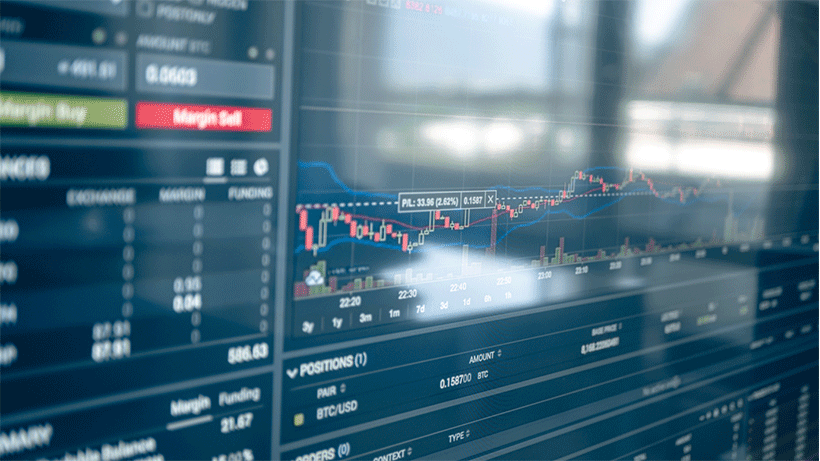
How to Use Key Indicators (Moving Averages, RSI, etc.)
Many day traders rely on technical indicators. In particular, the "Moving Average (MA)" and "RSI" are relatively easy for beginners to understand and are effective in practice.
-

Moving Average (MA)
Represents the average of recent prices as a line. Combine short-term lines (5MA, 20MA) with long-term lines (50MA, 100MA).
Example: "Buy when the short-term line crosses above the long-term line (Golden Cross)" and "Sell when it crosses below (Dead Cross)"—simple entry signals. -
RSI
Measures whether the market is "overbought" or "oversold".
RSI above 70 indicates overbought—a potential signal for a downward move; below 30 indicates oversold—a potential rebound signal.
Entry, Exit, and Stop-Loss Rules with Practical Examples
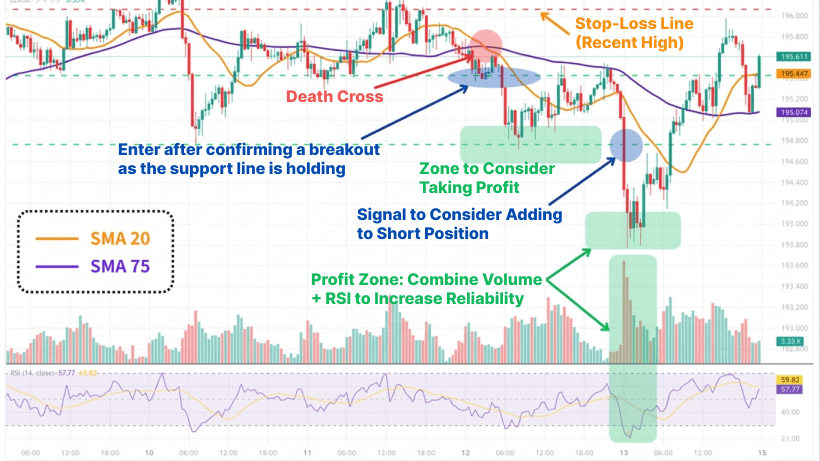
This image shows an example of real-day trading decisions using MA (SMA20, SMA75), support lines, volume, and RSI. The chart explains the flow of an actual trade.
Basis for Entry
-
1.
Enter on a Dead Cross below the support line
In the chart, the red circle marks where "SMA20 (orange)" crosses below "SMA75 (purple)"—a Dead Cross. After a slight rebound, entry is confirmed once it breaks the support line (green dotted line above). -
2.
Points for considering additional selling
The lower green dotted support line was broken, signaling a potential add-on sell. (Volume increase and RSI alignment make this a high-confidence entry point)
Setting Stop-Loss
-
1.
Set stop-loss at the “most recent high” (orange line at top-right of the chart)
-
2.
If the market reverses above this recent high after entry, execute stop-loss immediately.
Deciding the stop-loss line in advance allows for calm, unemotional decision-making, minimizing the risk of expanding losses.
Take-Profit Decisions
-
1.
Target “take-profit zone” (green highlight in chart)
After a short entry, the price falls and reaches the take-profit zone (green highlight). -
2.
When volume increases and RSI bottoms out simultaneously, decide on partial or full exit.
Take-profit is not just “fixed pips”; using support, volume, and RSI for final judgment helps reduce false signals.
Review and Growth Tips
-
1.
Record why you entered and where you took profit or cut loss with chart screenshots. This improves reproducibility of trades.
-
2.
Keep brief notes in a trade journal for both successes and failures to refine your own winning patterns.
【Checklist Table】
| Item | Practical Example / Decision Points | Tips |
|---|---|---|
| Entry | Dead Cross + support line break + check volume & RSI | Target multiple overlapping indicators |
| Stop-Loss | Cut immediately if price exceeds recent high (orange line) | Always follow the rules |
| Take-Profit | Reach take-profit zone + increased volume + RSI drop for partial/full exit | Fixed pips + adjust according to conditions |
| Review | Record chart screenshots + trade journal to note results and rationale | Apply learnings to the next trade |
Habits of Successful Traders & Pro Tips
-
Always follow the same rules
Winning traders consistently follow reproducible personal rules. Example: never break stop-loss rules / never over-leverage -
Target high-volatility periods
London and NY sessions (9 PM–2 AM JST) have large movements and many opportunities. -
Focus on overall profits, not just win rate
Mindset: individual wins/losses matter less than long-term positive performance. -
Take breaks to protect your mental health
Don’t force daily trading; choose “no trade” days when tired.
These habits and mindsets are the main reasons why even professionals can continue winning.
Essential Rules for Risk Management and Trading Psychology
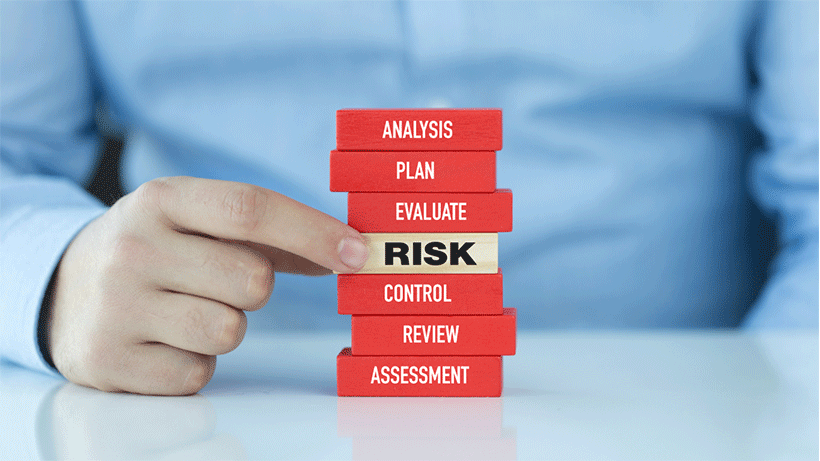
Money Management and Setting Stop-Loss Levels
The most important aspect of FX day trading is money management and stop-loss.
No matter how good your strategy is, failing to implement this properly increases the risk of losing your funds.
-

Use no more than 2% of your total capital per trade
Example: With $1,000, risk a maximum of $20 per trade. Exceeding this can lead to large damage from a single loss. -
Always execute stop-loss once decided
Set your stop-loss line (e.g., recent low/high) before entry, and cut immediately if the market moves against you. -
Avoid averaging down (adding positions to losing trades) as a beginner
Unexpected losses can snowball, so beginners should absolutely avoid this.
Mental Techniques to Reduce Losses and Common Mistakes
“Mental collapse = increased losses” is a fundamental rule in FX. Short-term trading is especially emotional, so even professionals pay daily attention to mental maintenance.
-
Don’t get caught trying to “win back losses”
After consecutive losses, there’s a tendency to increase lot size in haste, but losing composure further increases losses. -
Keep a trading journal to visualize emotions
Record when you felt anxious or calm to analyze patterns of mistakes. -
Example of failure: wiped out by poor money management
Stories like “I felt lucky today, bet big, and lost everything in a single trade” are not uncommon.
Real Experiences and “Learn from Mistakes” Checklist
Many insights only come from experiencing failure. Use the following “self-check” to escape emotional trading.
| Checklist Item | YES | NO |
|---|---|---|
| Have you set a stop-loss line before entry? | ||
| Even after losses, do you avoid “double or nothing” bets? | ||
| Do you record emotions and actions in a trading journal every time? | ||
| Are you avoiding holding too many positions at once? | ||
| Do you have the courage to “take a break from trading today”? |
Frequently Asked Questions and Latest Trends for FX Day Trading

Don’t aim for huge profits from the start; begin small and follow basic rules. Rather than copying professional methods, focus on small trades and learning from mistakes—this is the shortcut to success.
A realistic guideline is around a few hundred to a thousand dollars. It’s recommended to first try a demo account with zero risk before moving to real trading.
Evening after work or weekends also offer ample opportunities. Align trading with your daily routine for sustainable long-term success.
The fastest learning path combines free official demo accounts, YouTube tutorials, beginner books, and online articles. For any method of interest, “try, test, and judge if it suits you” is the basic approach.
Summary: Checklist and Next Steps to Get Started Today
Key Takeaways
-
FX day trading is a side-job style that allows “short-term focused and controlled risk”
-
Understand advantages and disadvantages and choose a method suitable for you
-
Money management, stop-loss, and mental control are essential for continuous success
-
Start with demo accounts or small trades to gain experience safely
Beginner’s Checklist to Start FX Day Trading Today
| Checklist Item | Status |
|---|---|
| Start with funds separated from living expenses | |
| Have set stop-loss and take-profit rules in advance | |
| Can clarify entry and exit rationale | |
| Keep trade records (notebook or app) | |
| Have the courage to take a “no-trade” day when tired |
Next Step: If You’re Not Sure, Start with a Demo Account
“Experiencing it firsthand” is the best way to learn. If you’re still unsure, start with a demo account for virtual trading first.
Also, refer to the “recommended accounts” and “beginner learning resources” introduced in this article. If you have questions, feel free to ask via comments or the inquiry form!
Enjoyed this article? Share it with your network!


RYOEX Official Media is an information platform created specifically for traders, offering the latest news, analysis, guides, and more. From beginners to experienced traders, we provide useful content to help you stay informed and succeed in your trading endeavors.