





Tensions Ripple to Garbage Bags and Incineration
 2026-05-19
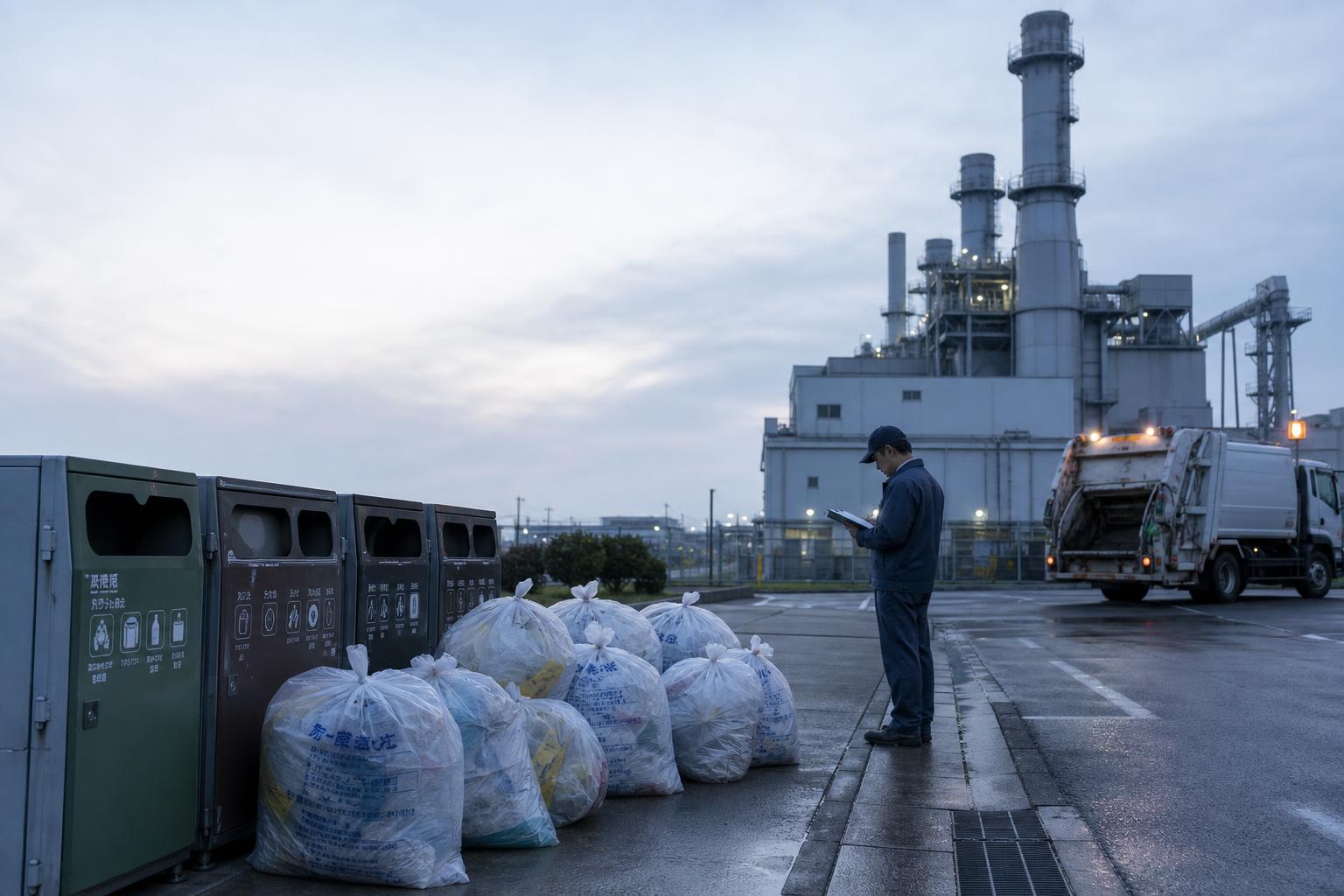
As Middle East tensions intensify, impacts are spreading to municipal garbage collection and incineration operations. Amid concerns over naphtha supply, designated garbage bags are running short, prompting measures such as material changes and acceptance of alternative bags. Incineration facilities are also facing growing worries about a shortage of heavy oil.
Designated garbage bag shortages spread
"Right after the holidays, designated garbage bags disappeared from store shelves." A manager at a mass retailer in Isesaki, Gunma Prefecture, says so. At another store in the city, more than 20 calls a day are coming in asking about restock timing. In Isesaki, sales of designated garbage bags have doubled since April compared with the previous year. Collection volume has not increased, suggesting that some residents are stockpiling them.
T-Mart, a grocery supermarket in Ichihara, Chiba Prefecture, introduced purchase limits in late April. It set a cap of two 30-liter bags per household and one 45-liter bag, and a manager explains, "We are putting them out in small batches so we don't run out of stock."
Isesaki and Ichihara are taking temporary measures to collect garbage put into regular plastic bags and other bags that meet the rules. According to Cainz, a major home center chain based in Honjo, Saitama Prefecture, demand is rising not only for municipal-designated bags but also for store-bought ones. A manager says, "Shortages are a nationwide trend."
Material changes and bidding troubles
Moves are also underway to review the materials and designs of designated garbage bags. Oobu, Aichi Prefecture, plans to switch materials around July to recycled material made from packaging film known as "stretch film." The city says manufacturing costs may rise, but procurement should remain stable because it will use film generated in Japan.
Yonabaru, Okinawa Prefecture, temporarily stopped printing on garbage bags and switched to a system that colors the whole bag blue or red to distinguish between "burnable" and "non-burnable." The goal is to reduce the impact on production amid shortages of thinner needed for printing.
Rising prices are also troubling municipalities in bidding. In Soja, Okayama Prefecture, all nominated bidders declined in an April tender, so the city relaxed the application conditions and held a rebid on May 13, selecting a company that handles imported products. However, delivery timing remains unclear, and shortages could emerge in July and August.
Seiro, Niigata Prefecture, used reserve funds to raise the planned price, or ceiling amount, and secured a winning bid within that limit. It will maintain its policy of distributing 700,000 bags a year free to all households.
Heavy oil price hikes hit incineration facilities too
Rising heavy oil prices used in garbage incinerators are also beginning to have an effect. At an incineration facility jointly operated by Tonami and Nanto in Toyama Prefecture, one of two incinerators was shut down in April. Previously, the facility had taken one offline periodically for maintenance, but it switched to keeping one incinerator running at all times to save about 250 liters of heavy oil used for ignition.
If Middle East tensions drag on, further impacts are a concern. The facility has enough secured heavy oil for only five more uses, and a staff member says, "We have no prospect of the next delivery yet."
Shusaku Yamaya, professor emeritus at Toyo University, points out that the shortage of designated garbage bags is concerning because "paid designated bags help encourage residents to reduce waste and sort it properly, and using non-designated bags may lead to a loosening of environmental awareness." He added that municipalities should adopt flexible methods, such as attaching low-cost seals (fee stamps) to store-bought bags.
Enjoyed this article? Share it with your network!