





Japan watchdog inspects nine firms over Hokkaido Shinkansen track work
 2026-05-19
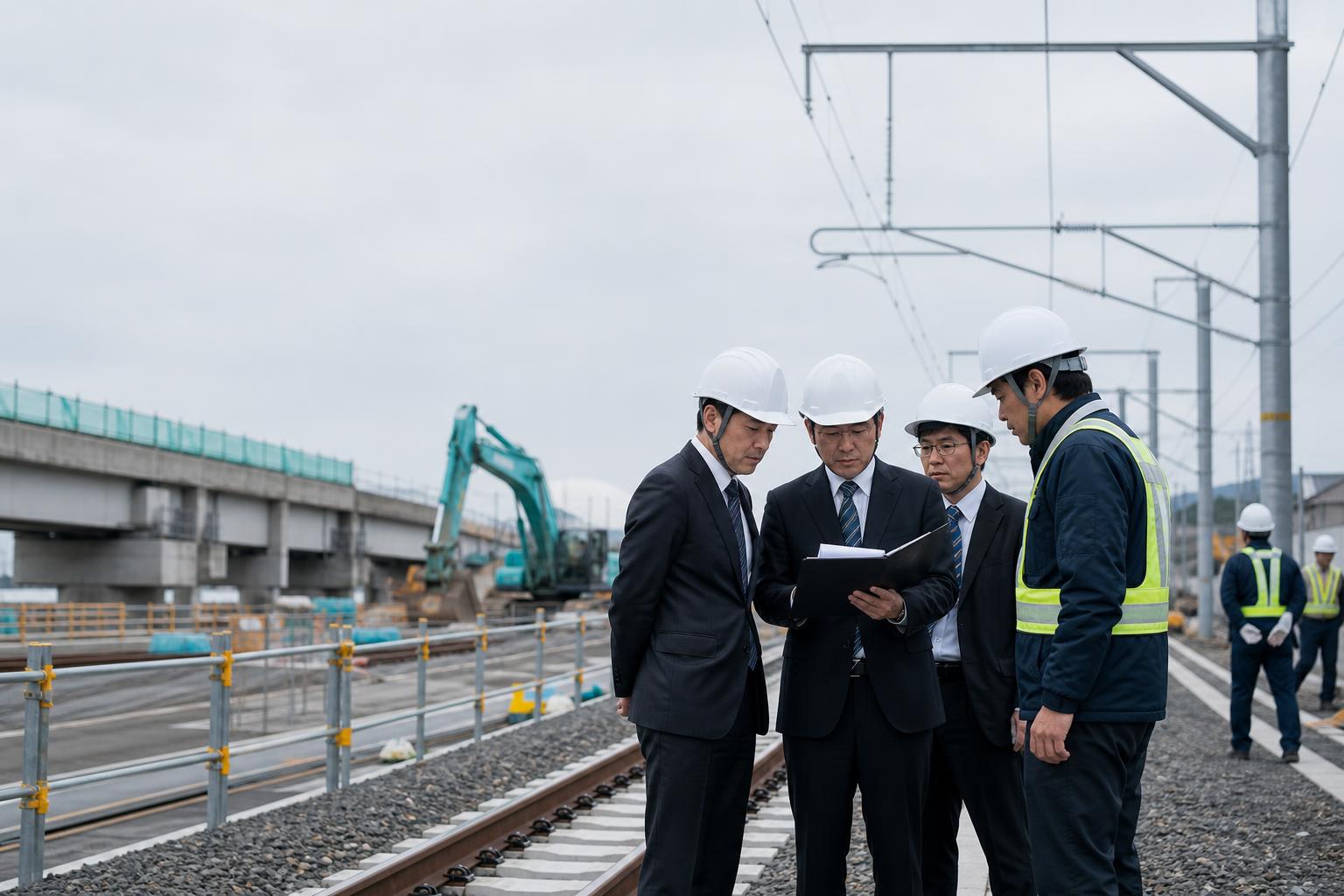
Watchdog raids nine firms, JRTT-related sites
The Japan Fair Trade Commission on Monday raided the premises of nine construction companies on suspicion of antitrust violations over alleged bid-rigging in Hokkaido Shinkansen track-laying work, according to people familiar with the matter.
Sites related to the procuring agency, the Japan Railway Construction, Transport and Technology Agency (Yokohama), were also targeted. The JFTC will investigate on suspicion that JRTT employees may have been involved in collusion.
Contract winners may have been prearranged
According to the people, the targets were Tohtetsu Kogyo, Meikokenchiku, Hokkaido Track Facilities Industries (Sapporo), Senken Kogyo (Sendai), Union Construction (Tokyo-Meguro), Daitetsu Kogyo (Osaka), Kohsei Construction (Hiroshima), Sanki Construction (Fukuoka) and Kyu Tetsu Kogyo (Kitakyushu). All have capital ties with JR group companies.
The nine companies are suspected of having decided winning bidders in advance and substantially restricting competition in general competitive tenders for track-laying work announced by JRTT in 2023-25. Five of them won the five contracts that were put out to bid among 10 extension sections. According to JRTT disclosures, the contracts totaled about 18 billion yen before tax, with winning bid ratios of 94% to 99%.
The companies said, in part, that raids had been carried out and that they would fully cooperate.
Total project cost seen topping 3 trillion yen
Hokkaido Shinkansen is one of Japan's so-called "development Shinkansen" lines built under government leadership based on the Nationwide Shinkansen Railway Development Act. JRTT builds and owns the facilities, then leases them to JR Hokkaido, which operates the line. Part of the construction cost is covered by facility lease fees paid by JR Hokkaido, with the central government and local governments sharing the rest at a 2-to-1 ratio.
The line opened in stages in March 2016 between Shin-Aomori Station in Aomori and Shin-Hakodate-Hokuto Station in Hokuto, Hokkaido. The total cost of extending the line to Sapporo was initially estimated at about 1.67 trillion yen.
But construction costs have risen because of higher materials and labor expenses and delays caused by difficult engineering work. In an estimate released by JRTT in December 2025, total project costs are expected to exceed 3 trillion yen.
JRTT was established in 2003 and traces its roots to the Japan Railway Construction Public Corporation. It is wholly funded by the government and falls under the Act for Elimination and Prevention of Bid Rigging Involving Public Officials. The law defines conduct such as instructing collusion or leaking confidential procurement information as "bid-rigging involvement." If such conduct is found, the JFTC can seek corrective measures.
This is the second suspected bid-rigging case to emerge in a development Shinkansen project. In a bid-rigging case involving snow-melting equipment work on the Hokuriku Shinkansen, the JFTC conducted a compulsory investigation under its criminal investigation powers and filed criminal complaints against the companies in 2014. It also found that a JRTT employee had leaked estimated contract prices and sought corrective measures. The employee was indicted without detention for violating the anti-bid-rigging law and was later convicted.
Enjoyed this article? Share it with your network!