





Iran Tightens Pressure After U.S.-China Talks
 2026-05-18
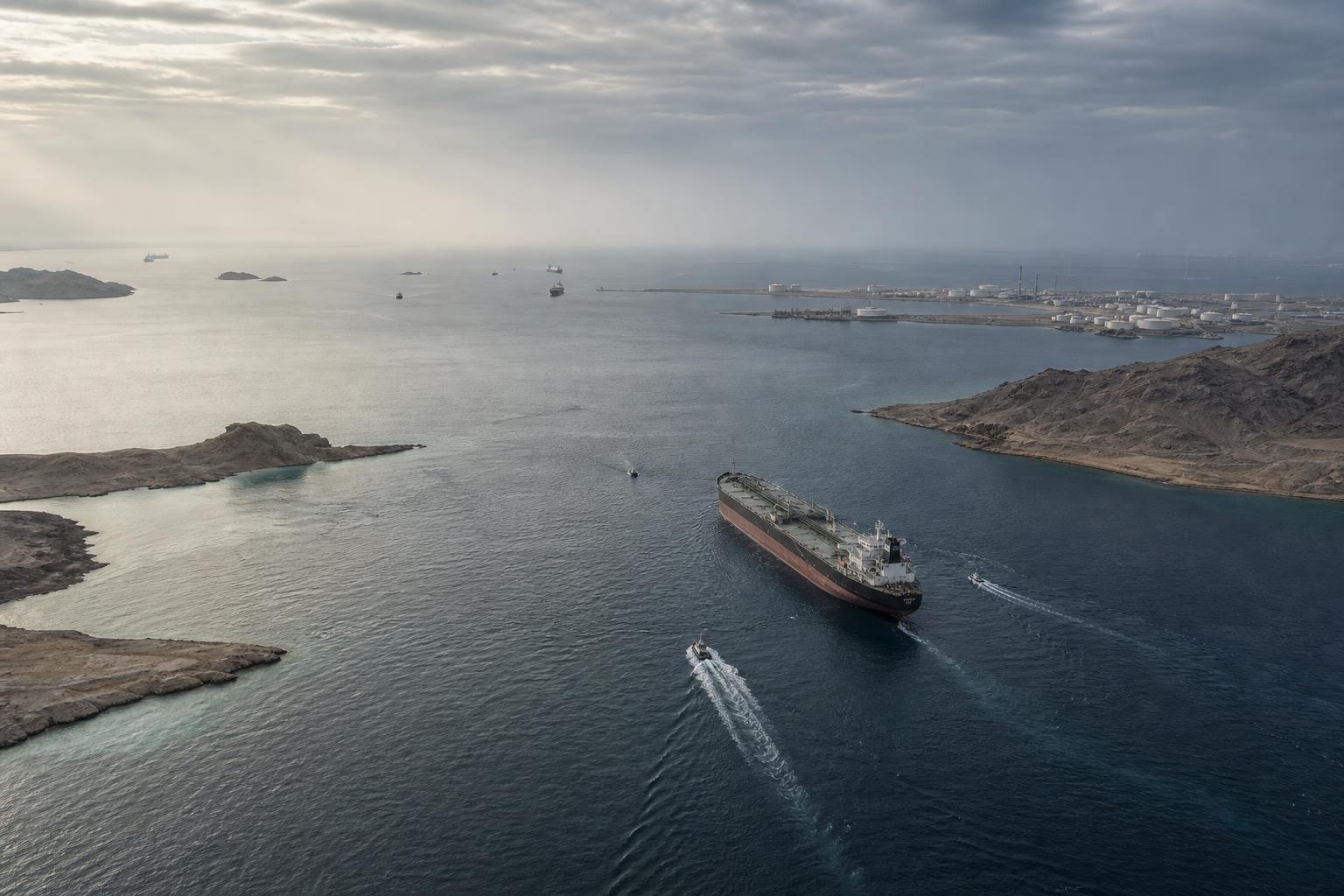
Iran Hardens Its Stance
Following the U.S.-China summit, Iran hardened its position further after the talks on the 14th and 15th over ending the conflict with the United States. It has again rejected U.S. demands and aims to corner President Trump through higher fuel prices.
On the 17th, Trump pressed Iran for early concessions on social media, posting that "the clock is ticking." He wrote, "They should move fast, or there will be nothing left," suggesting another strike. According to the U.S. news site Axios, he also held a phone call that day with Israeli Prime Minister Netanyahu, and on the 19th is expected to convene his national security team to consider military options.
Pressure in the Strait of Hormuz
Using threats to attack critical infrastructure as leverage is a tactic Trump also used in April. If carried out, it would drive up crude prices and could prolong the fighting. Bringing up the threat of military action again also suggests that diplomatic talks have stalled.
Iran is pushing ahead with hard-line measures in the Strait of Hormuz. It has begun building a system to designate routes through the strait and manage shipping, while Aziz, head of Iran's parliamentary National Security Committee, said that only commercial vessels cooperating with Iran would benefit, indicating a plan to charge transit fees. According to Fars News, Iran will also introduce its own insurance for ships passing through the strait. The Revolutionary Guard is said to have expanded its operational range around the strait.
Until now, the United States had responded to any Iranian blockade of the strait with a "counter-blockade" restricting civilian ships' access to Iranian ports, leaving both sides unwilling to back down.
A Turning Point After U.S.-China Talks
The tide turned after the U.S.-China summit. On the 13th and 14th, Iranian and U.S. media reported that Iran had allowed many Chinese ships to pass and that a Chinese tanker carrying about 2 million barrels of crude had transited the strait. In a FOX News broadcast on the 15th, Trump said of the Chinese tanker's passage, "We allowed it," suggesting he may have prioritized easing tensions with China.
It is said that China buys 90% of Iranian crude, including via third countries. The U.S. counter-blockade was largely intended to stop energy trade between China and Iran. If Trump allowed the Chinese tanker through, that would work in Iran's favor.
Iran appears to believe the U.S. is now less likely to launch another attack, and has therefore taken a hard line. Backed by its effective control of the Strait of Hormuz, it is trying to deter a large-scale strike.
Rising Oil Prices and Midterm Risks
If the U.S. moves to attack again, higher oil prices would be unavoidable. U.S. intelligence agencies assess that Iran is preserving its military capability, making it unclear whether it could be forced into surrender quickly. With less than six months until the November midterm elections, continued fuel price increases could put Trump at a disadvantage in the campaign.
Research by Stanford University political psychologist John Krosnick and others found that a 10-cent rise in gasoline prices per gallon is correlated with a 0.6-point drop in presidential approval. According to AAA, the national average price of regular gasoline is currently in the $4.5-per-gallon range, about $1.5 higher than at the end of February.
Fars News reported on the 17th that the U.S. presented Iran with five demands, including transferring about 400 kilograms of enriched uranium to the United States. Tasnim News reported on the 18th that Iran had made 14 new proposals to mediator Pakistan. The specific details are unclear, and it remains uncertain whether negotiations will get moving.
Enjoyed this article? Share it with your network!