





Ebola Outbreak Grows in DRC, Deaths Near 100
 2026-05-18
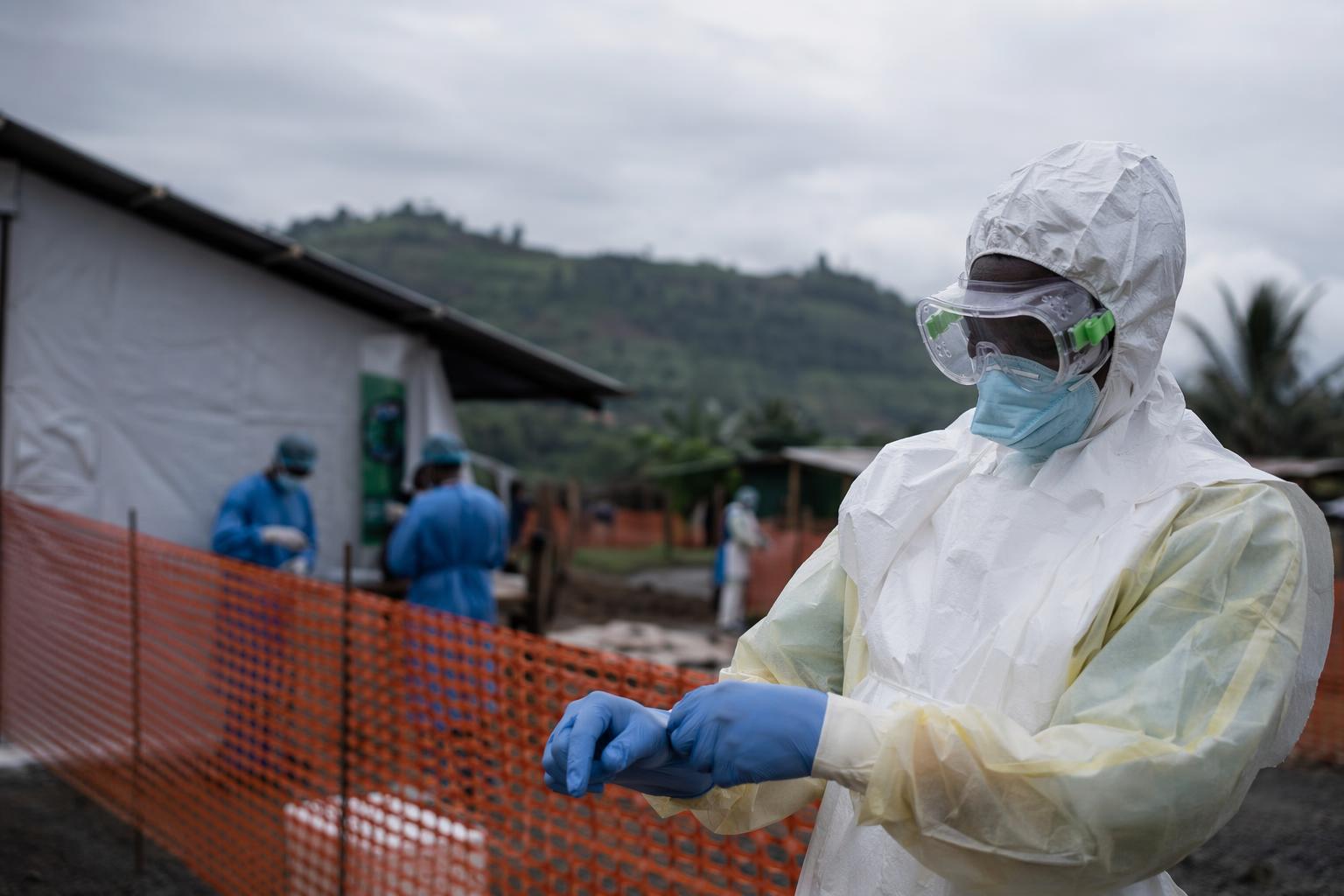
An Ebola hemorrhagic fever outbreak in the Democratic Republic of the Congo has killed about 100 people so far. The Bundibugyo strain of the Ebola virus has been detected in patients. There is no dedicated vaccine or treatment, and the World Health Organization (WHO) and others are stepping up their alert level.
Caution as the outbreak widens
Africa CDC Director-General Jean Kaseya of the African Union (AU) told the BBC on the 18th that at least 100 deaths have been reported and more than 390 suspected cases have been identified. On the 17th, the WHO declared the outbreak a “public health emergency of international concern.” Director-General Tedros said on the 18th, “This is the newest crisis in this chaotic world.” According to CBS News, at least six Americans had contact with infected people locally, and one of them is showing symptoms.
No countermeasures for the Bundibugyo strain
If infected, symptoms include sudden fever, headache, and vomiting; in severe cases, bleeding and impaired consciousness can occur. The fatality rate has averaged about 50% in past outbreaks, though it varies depending on local medical capacity and the virus type. There are multiple Ebola virus strains that infect humans, and the most lethal, the Zaire strain, can reach up to 90%. By contrast, the Bundibugyo strain detected this time is a relatively new type identified in 2007. Outbreaks have been rare, but its fatality rate has previously been 30-50%.
Conditions in the outbreak area are also a hurdle
Dr. Daniella Manno of the London School of Hygiene & Tropical Medicine said that because the outbreak is occurring in an area with heavy movement of people and unstable security, contact tracing and medical care may become difficult. Since Ebola hemorrhagic fever was first identified almost simultaneously in Sudan and the Democratic Republic of the Congo in 1976, it has caused repeated outbreaks in Africa. It is believed to spread from people who have contact with infected wild animals, and then pass from human to human. Contact with bodily fluids such as blood or saliva from infected people can transmit the virus.
Enjoyed this article? Share it with your network!