





US-China Summit in Beijing After 9 Years, Talks on Taiwan and Trade
 2026-05-14
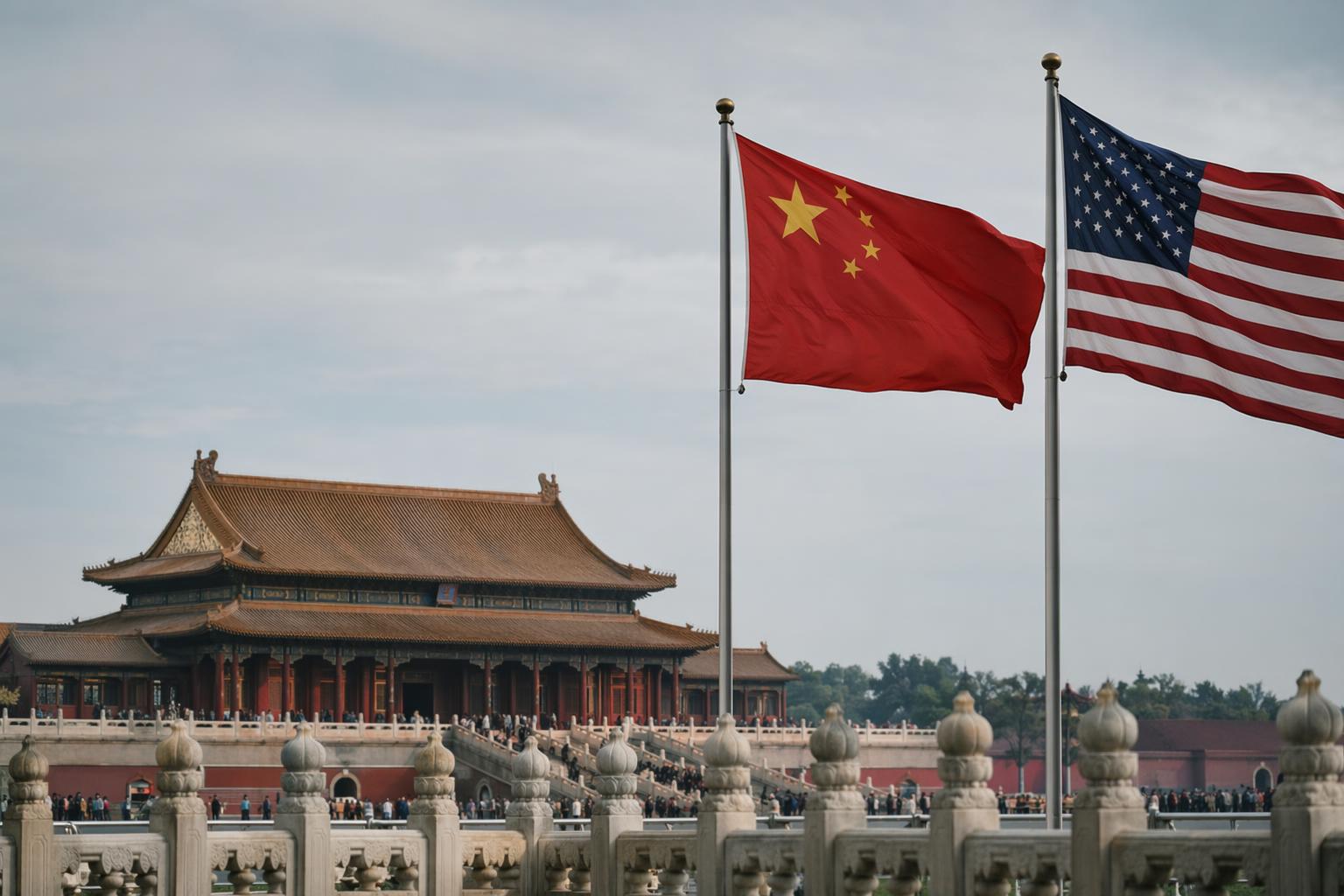
Taiwan Issue and US-China Relations
U.S. President Donald Trump and Chinese President Xi Jinping met in Beijing on the 14th for the first time in nine years. According to China’s Foreign Ministry, Xi warned over the Taiwan issue that if it is not handled properly, China-U.S. relations could head toward confrontation and conflict and fall into an extremely dangerous situation.
The account given by a U.S. White House official after the meeting did not include the Taiwan issue. According to Trump, Taiwan was not on the agenda when they met in South Korea in October 2025 either. By contrast, in this Beijing meeting, Xi took a hard line on Taiwan.
Xi described the Taiwan issue as the most important topic in China-U.S. relations and argued that if it is handled properly, the overall relationship between the two countries can remain stable. He also stressed that “Taiwan independence” and peace in the Taiwan Strait cannot coexist.
At the start of the meeting, Xi referred to the “Thucydides Trap,” in which rising powers and established powers collide, and asked whether China and the United States could overcome it. He also said they could build a new paradigm for major-power relations and called for the need for U.S.-China cooperation.
Trump praised Xi as “a great leader” and said U.S.-China relations would become better than ever. He introduced the American business executives who accompanied him and referred to the view that “this may be the biggest summit in history.”
Trade and Taiwan Calculations
According to the White House, the two leaders discussed expanding access for U.S. companies to the Chinese market and increasing Chinese investment in U.S. industries. The situation in Iran and trade promotion were also on the agenda, and the meeting ended after about 2 hours and 15 minutes. They are scheduled to hold a small-group working lunch on the 15th.
Ahead of the U.S.-China midterm elections in November, Trump wants to show he has secured results from China on the economic front. A key issue is whether Trump will make concessions on Taiwan in exchange for China expanding purchases of U.S. agricultural products and crude oil.
Xi is believed to have brought up Taiwan this time because he sees the current moment as important for unification with Taiwan. With the November local elections on Taiwan ahead, he also appears to want to support the largest opposition party, the Kuomintang, which promotes a dialogue-oriented line with China. In April, Xi met with Kuomintang Chair Cheng Li-wun and agreed on opposing Taiwan independence.
Xi is calculating that if he can get Trump to reduce U.S. involvement with Taiwan, it will increase pressure on the Lai Ching-te administration and help the Kuomintang gain an advantage in the local elections. China has also urged the Trump administration to stop arms sales to Taiwan. Trump had said this issue would also be discussed at the meeting.
US-China and Iran Developments
At a press briefing on the 14th, Guo Jiakun, deputy spokesperson for China’s Foreign Ministry, said China’s opposition to U.S. arms sales to the Taiwan region has always been clear and consistent. The United States does not challenge China’s claim that the Chinese mainland and Taiwan are inseparable, while still maintaining its “one China” policy, which involves security commitments to Taiwan.
Before the summit, the Trump administration sought to end the fighting with Iran, but that did not happen. China’s close ties with Iran may also be a factor giving it leverage in talks with the United States. The White House said Xi made clear at the meeting that he opposed Iran charging passage fees in the Strait of Hormuz. The two countries also agreed that Iran must not be allowed to possess nuclear weapons.
Xi said he reached agreement with Trump by defining U.S.-China relations as a “constructive strategic stable relationship.” He said it would provide strategic guidance for China-U.S. relations for the next three years, or even longer. He further described the framework as “positive stability centered on cooperation” and said it should not be a mere slogan, but an action of facing each other and moving forward together.
At a dinner after the meeting, Trump announced that he would invite Xi and his wife to the White House on September 24. The U.S. government is also exploring the possibility that the two leaders could meet up to four times in 2026.
Enjoyed this article? Share it with your network!