





Former Fed Governor Warsh Confirmed as Next Federal Reserve Chair
 2026-05-14
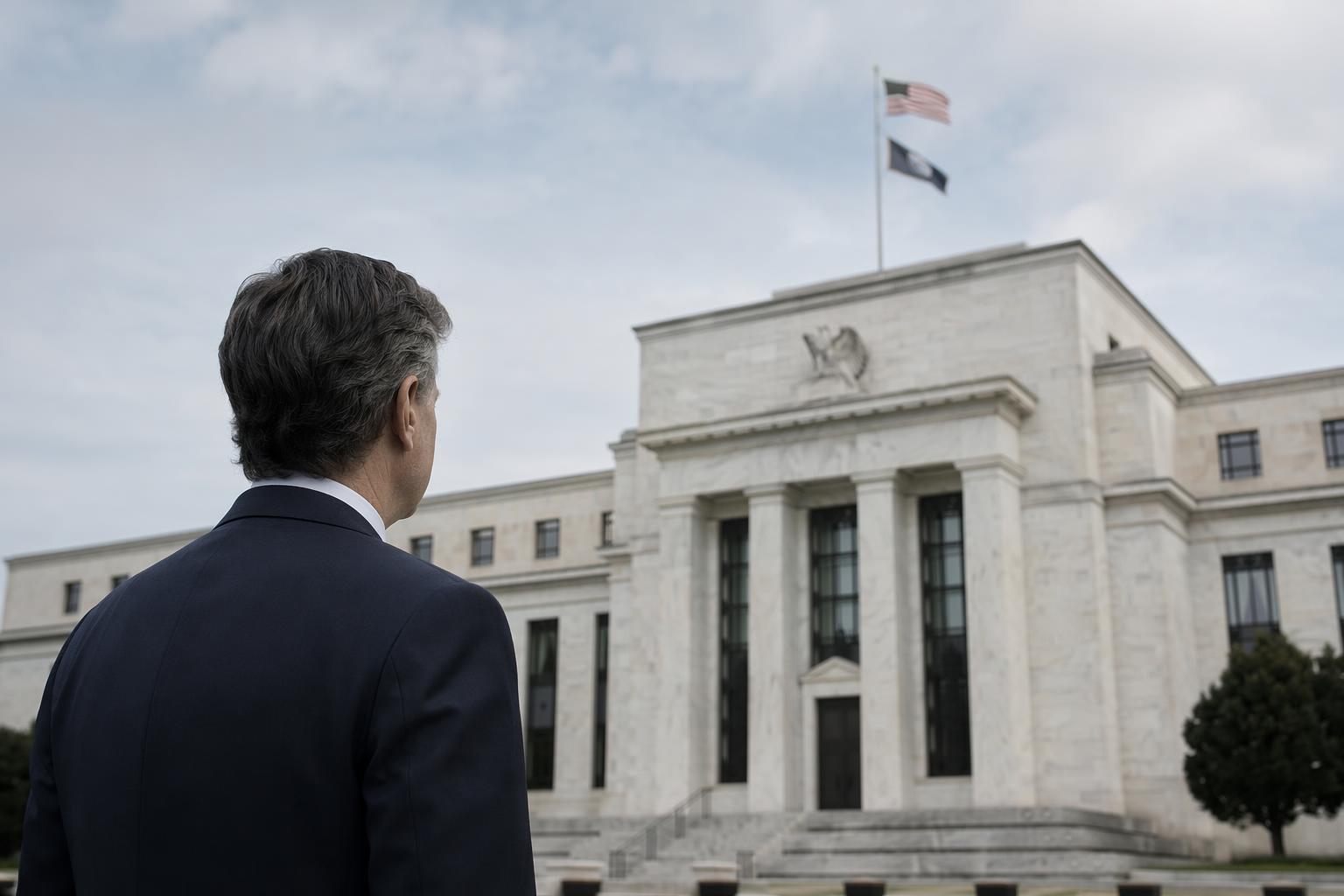
Warsh Named Next Fed Chair
On the 13th, the U.S. Senate approved the appointment of former Federal Reserve Board Governor Kevin Warsh as the next chair of the Federal Reserve. Warsh will soon take the oath of office and become the 17th chair, succeeding current Chair Jerome Powell, whose term expires on the 15th.
First Meeting at the June FOMC
The chair’s term is four years, and Warsh will join meetings as chair for the first time at the Federal Open Market Committee (FOMC) meeting on June 16-17. As gasoline prices rise amid military clashes between the U.S. and Iran, concerns about a renewed inflation surge are growing, while some are warning about possible harm to the real economy, including weaker consumption.
With the outlook for the Middle East hard to predict, Warsh has avoided remarks that would hint at near-term monetary policy. At his nomination hearing in April, he looked back on the past five years, when inflation remained above the Fed’s 2% target, and argued that a “new inflation framework” is needed. He did not offer specific measures, but said keeping monetary policy credible and independent requires curbing inflation through Fed reform.
AI and Balance Sheet Reform
Warsh also holds the view that productivity gains from artificial intelligence (AI) will help push prices lower. This suggests he does not believe inflation risks need to be overly feared.
Another reform priority for him is shrinking the Fed’s assets and liabilities to an appropriate size. The Fed’s balance sheet has continued expanding since the 2008 Lehman shock. At the hearing, he clearly stated that it needs to be reduced through a “gradual and careful process.”
He also criticized balance-sheet expansion through increased purchases of government bonds as “fiscal policy in a different form.” He believes the central bank became entangled in politics by supporting fiscal expansion, and argued that the Fed should reduce its role in fiscal affairs and focus on monetary policy.
Concerns Over Fed Communication
Some market participants are concerned that Warsh has signaled an intention to reconsider how the Fed communicates. At FOMC meetings, four of the eight annual meetings include publication of the dot plot, which shows participants’ projections for the appropriate future policy rate. Governors and regional Fed presidents have also actively communicated their views on the economy and interest-rate outlook.
At his hearing, Warsh said the existence of the dot plot and similar tools can make policymakers overly attached to forecasts. He dismissed references to future interest-rate levels in speeches and similar settings as “completely useless,” and has said the FOMC should discuss policy flexibly without preconceptions. However, less dialogue with the market could reduce the Fed’s transparency and potentially trigger market confusion.
Powell has indicated that he intends to remain on as a governor after stepping down as chair. He says criminal investigations involving him during the Trump administration undermined the independence of monetary policy, and he plans to stay at the Fed until he can confirm those matters are fully resolved.
Enjoyed this article? Share it with your network!