





Rising BoJ rate-hike bets push long bond yields to 30-year high
 2026-08-17
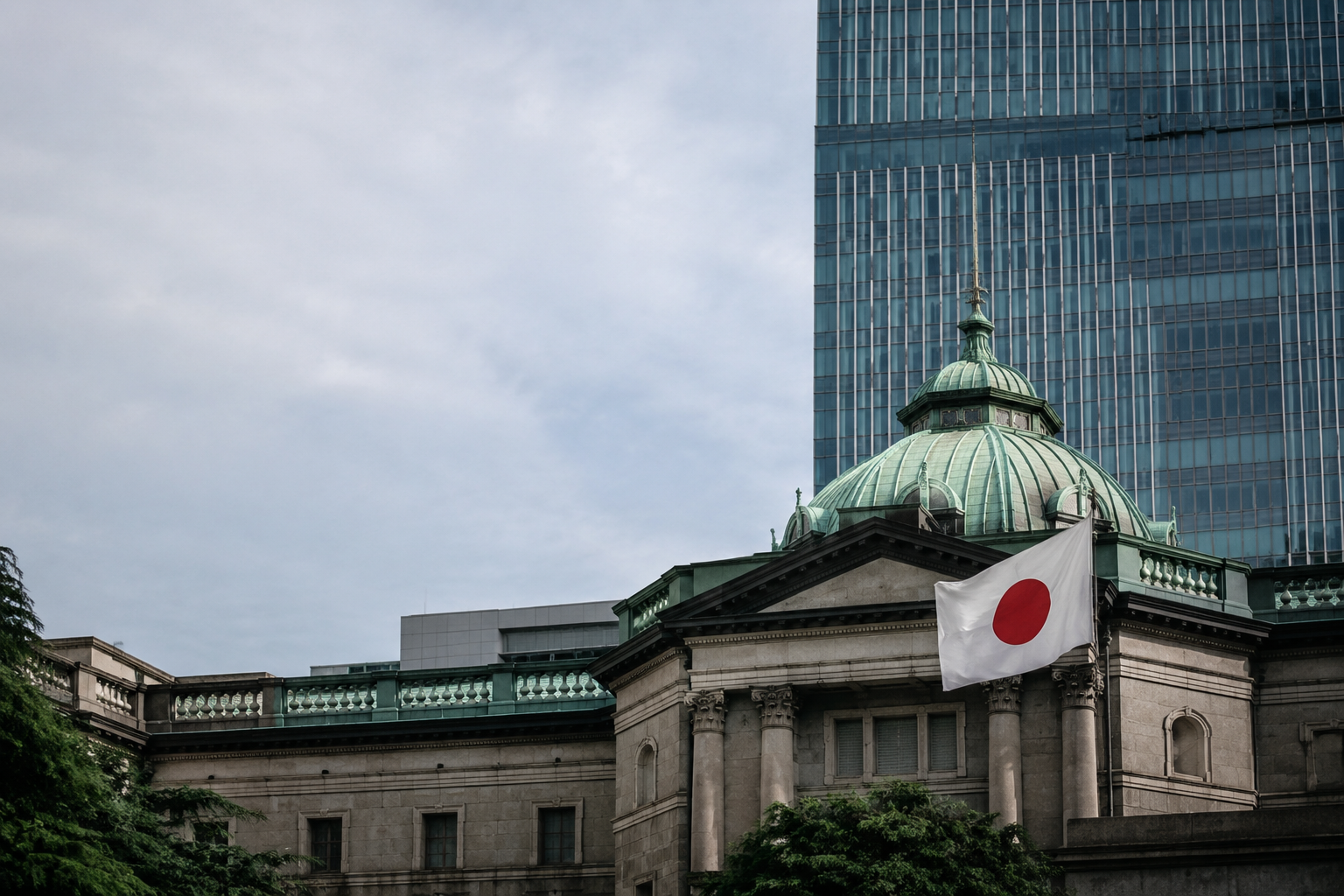
In Japan's domestic bond market on the 17th, the yield on newly issued 10-year government bonds rose as high as 2.930%, reaching a 30-year high. Expectations that the Bank of Japan will raise interest rates early, following joint Japan-U.S. currency intervention, have intensified and prompted more market participants to brace for further rises in yields.
Selling first in thin trading
Trading was limited after the Obon holiday, but selling emerged as investors adjusted positions ahead of a government bond auction. An offshore dealer said long-term yields edged up steadily to levels last seen in September 1996 as trading thinned out.
Rate-hike expectations deepen
Behind the rise in yields are market expectations that the BOJ may revise policy. Currency authorities in Japan and the United States said on the 3rd that they had carried out coordinated intervention to buy yen, and later U.S. Treasury Secretary Bessent said of BOJ Governor Kazuo Ueda that he believed 'he will do what needs to be done'. That reinforced the view that the BOJ could move early to raise rates to curb yen weakness.
In the overnight index swap, or OIS, market, the probability that the BOJ will raise rates at its September policy meeting rose to around 80%. At the start of August, the probability was about 50%, and pricing adjusted sharply over two weeks. In a report dated the 14th, BofA Securities revised its policy rate outlook from the previous '1.75% at the end of 2027' to '2% after four rate hikes by July 2027'.
Spread to medium-term debt
The stronger rate-hike expectations are most visible in rising yields on medium-term bonds. On the 17th, the 5-year note hit an all-time high and the 2-year note reached its highest level in about 31 years, with the move spreading to long-dated and super-long bonds such as 10-year and 20-year debt. Overseas, the highest accepted yield at a U.S. 30-year bond auction on the 13th hit a 25-year high, while upward pressure has also spread to European government bonds.
Uncertainty over fiscal management is also encouraging bond selling. In the budget request for fiscal 2027, no ceiling was set, and the planned two-year consumption tax cut on food items, targeted for implementation in April 2027, still lacks a funding source. Mitsui Sumitomo Mitsui Trust Securities chief bond strategist Rondon Tanji said ahead of the budget request that 'it is easy for market sentiment to spread that rates will rise'.
Some market participants are also focusing on the possibility of yields moving into the 3% range. Tokai Tokyo Securities chief bond strategist Kazuhiko Sano said concerns that the BOJ may be slow to raise rates, together with the budget request and global yield increases, make a move to 3% unavoidable and that 'if the current pace continues, it could be reached this week'. Koichi Sugisaki, macro strategist at Morgan Stanley MUFG Securities, said the market is pricing in additional rate hikes as expectations persist that the BOJ will front-load increases to curb yen weakness, even as the yen continues to weaken.
Takashi Yamawaki, head of bond research at JPMorgan Securities Japan, said that unless the policy and yen environment changes, dealer selling will likely emerge around 3%, making '3% a waypoint rather than a destination'. Toru Matsumoto, head of market sales at Yokohama Bank, also said ahead of the 5-year auction on the 18th and the 20-year auction on the 20th that 'it is a very difficult market to buy into'. Demand was notably weak at August auctions of 30-year and 10-year bonds, and the immediate focus is whether upcoming government bond sales can be absorbed smoothly.
Enjoyed this article? Share it with your network!