





New 10-year JGB yield rises to 2.930% briefly, highest since 1996
 2026-08-17
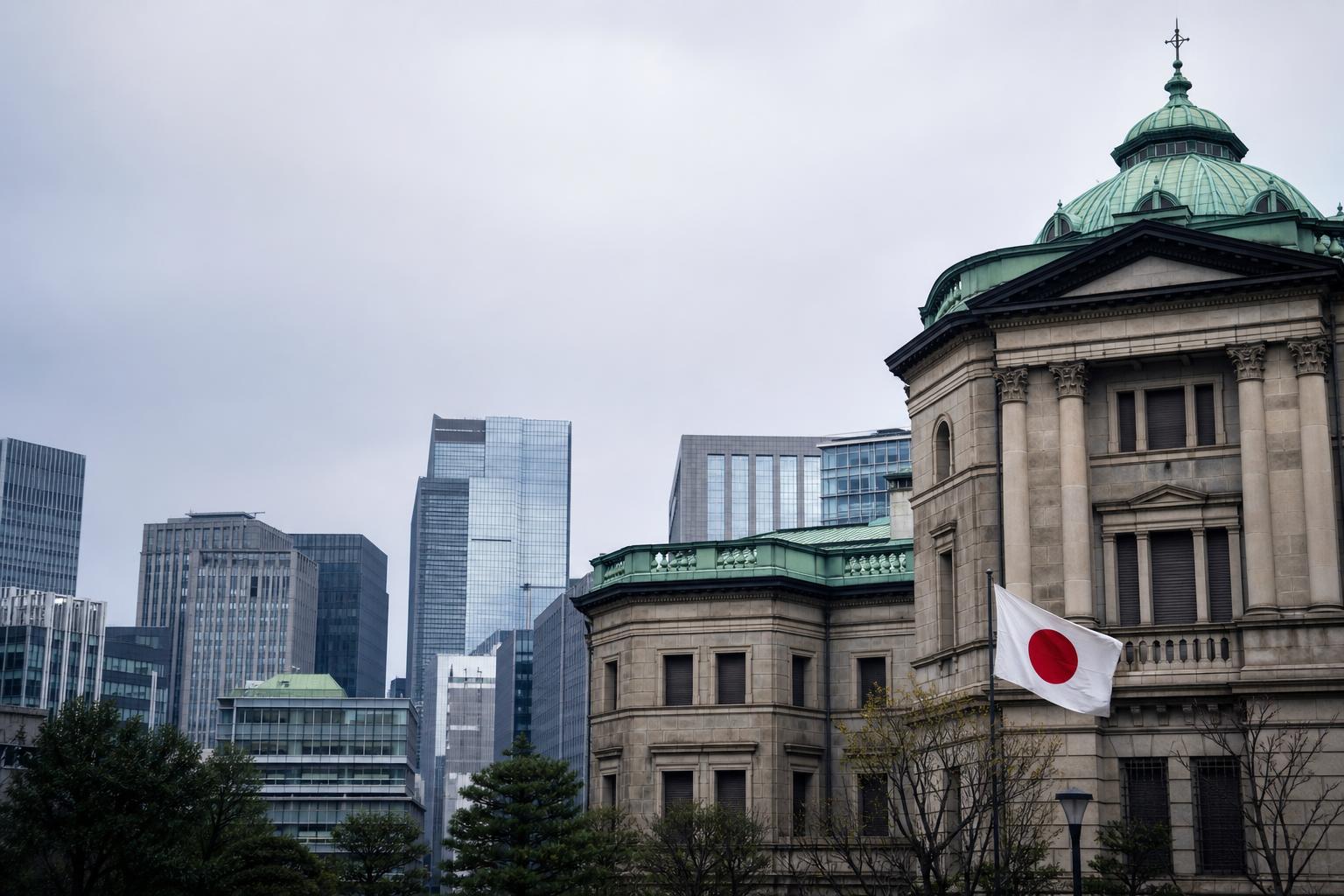
10-year JGB yield at highest since 1996
In the domestic bond market on the 17th, the newly issued 10-year government bond yield, a benchmark for long-term interest rates, rose as high as 2.930% at one point. Prices fell, putting it at the highest level since September 1996.
Rate hike bets weigh
It was up 0.055 percentage point from the previous week-end. Expectations that the Bank of Japan will raise interest rates early have strengthened after joint intervention by Japan and the United States, prompting investors to sell bonds and hold back from buying. The newly issued 2-year government bond yield, which tends to reflect the outlook for policy rates, also rose as high as 1.685% at one point, while the newly issued 5-year government bond yield hit a record high of 2.170%.
Caution over policy change
Reuters reported on the 14th, citing multiple sources, that the BOJ is considering a plan to raise its policy rate to 1.25% as early as its September monetary policy meeting. It added that the central bank is also looking at accelerating the pace of rate increases. Bloomberg reported on the 13th that the government supports an early rate hike from the standpoint of preserving the effects of the joint Japan-U.S. currency intervention.
Fiscal concerns too
Minutes from the BOJ's July monetary policy meeting, released on the 10th, were also seen as showing a hawkish stance with an inclination toward higher rates. In light of upside risks to prices, there was also a view that 'there is a need to speed up the adjustment of the degree of monetary easing.'
Market stays on the sidelines
The government and the BOJ carried out joint yen-buying intervention with the U.S. monetary authorities on July 31. On the U.S. side, which received support, there is growing concern that pressure will intensify on the BOJ to raise rates early in order to correct yen weakness. U.S. Treasury Secretary Bessent said in an interview with CNBC on Aug. 4, naming BOJ Governor Kazuo Ueda, that 'I believe he will do what needs to be done.'
At home, concern also remains strong over the expansionary fiscal policy of Sanae Takaichi's administration. The planned consumption tax cut on food items, to be implemented for two years from April 2027, has no concrete funding source, and the ceiling on budget requests, which had been the upper limit for requests in the fiscal 2027 budget proposal, was also abolished. As investors see a worsening in fiscal discipline as likely to push interest rates higher, they are becoming more cautious.
Enjoyed this article? Share it with your network!