





Recovery becomes clear as Israel Q2 GDP rises 15.4% annualized
 2026-08-16
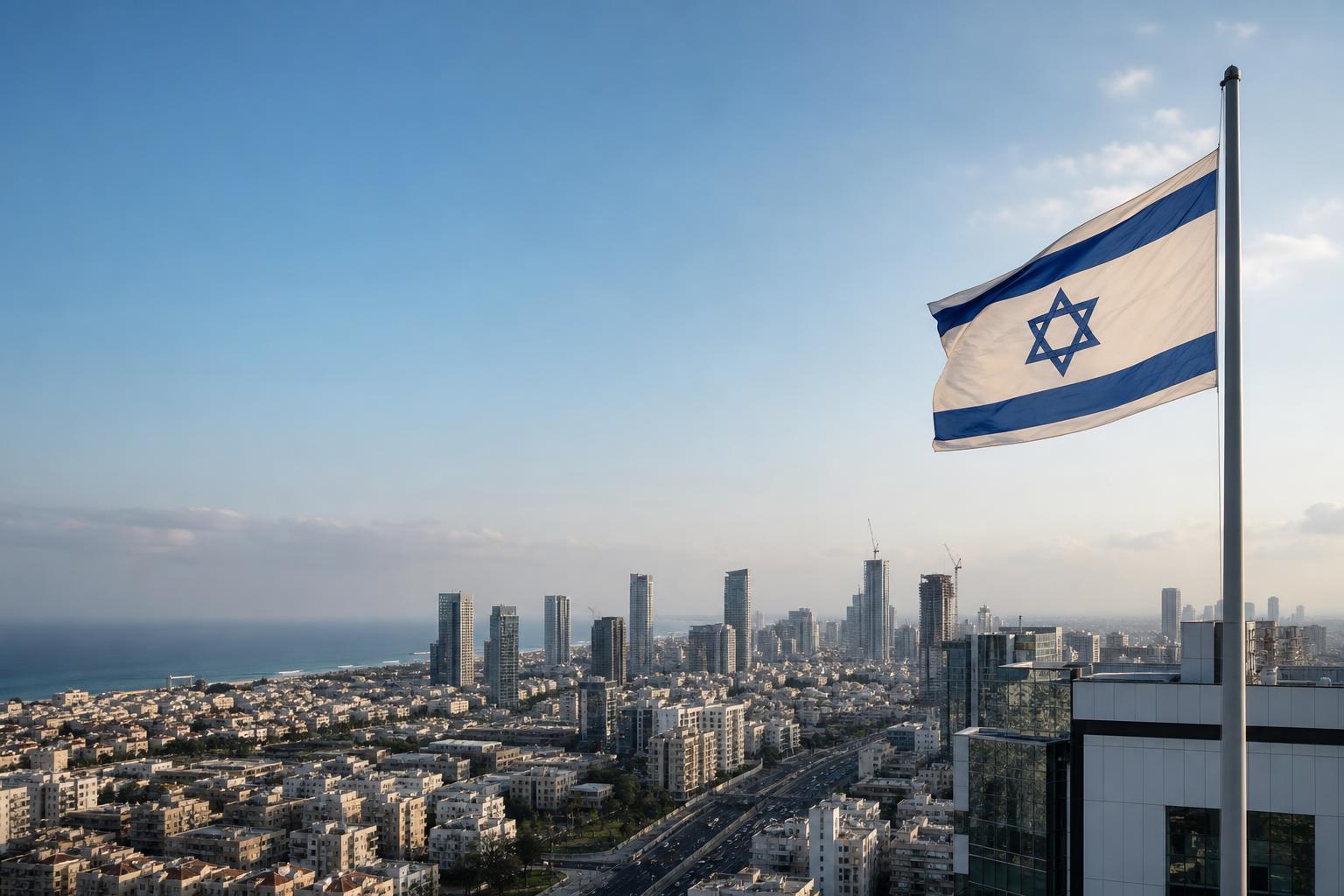
Sharp economic rebound
Israel's seasonally adjusted real gross domestic product rose 15.4% on an annualized quarter-on-quarter basis in the April-June 2026 period, the Central Bureau of Statistics said on the 16th. Economic activity picked up after the United States and Iran agreed to a ceasefire in June.
Above market forecasts
The figure far exceeded the 8.3% forecast in advance by U.S. news agency Bloomberg. Growth in the January-March period was negative 2.2%, as Iranian missile attacks continued across Israel from late February and authorities sharply restricted commuting, school attendance and the operation of commercial facilities.
Exports and investment recover
Exports rose 25.2% in the April-June period and private consumption also improved. The corporate sector increased 16.6%, and demand from both domestic and overseas buyers appeared to gather for the high-tech industry, which is said to account for about 20% of GDP, as well as the defense sector, whose performance was confirmed in actual combat. Government spending rose 19.5%.
Central bank raises growth outlook
If the U.S.-Iran ceasefire holds, views are spreading that growth will accelerate further. There is also hope that the large-scale mobilization of reservists will decline sharply and ease labor shortages.
Israel has continued to post weak growth since the Islamic group Hamas attacked in 2023. Labor shortages had become severe as workers were called up for reserve duty and the acceptance of Palestinian workers was restricted.
In July, the Bank of Israel raised its 2026 GDP growth forecast to 4% from 3.8%. It said the U.S.-Iran ceasefire has meant reservists are returning to their workplaces and labor constraints are easing. It also projected 5.5% growth in 2027 if no new fighting with Iran breaks out and military operations in Lebanon are scaled back.
Bar Clara Mendez McConnon, managing partner and chief executive officer of Israeli investment firm Value Gateway Capital Partners, said, 'The Israeli economy becomes stronger through crisis. It can reallocate capital and human resources to more promising industries and deliver growth.'
The central bank cut interest rates for a second straight meeting in July, setting the policy rate at 3.5% a year. It cited, among other factors, the easing of upward price pressure caused by the conflict with Iran and signaled room for further rate cuts. If realized, that would provide additional support for the economy.
However, talks toward ending the fighting with Iran have made no progress. Israel is continuing military operations in Lebanon and in the Palestinian Gaza Strip, and the risk remains that the growth scenario outlined by the central bank could collapse.
Enjoyed this article? Share it with your network!