





Government weighs new law to support crude oil shipments amid Middle East risks
 2026-08-14
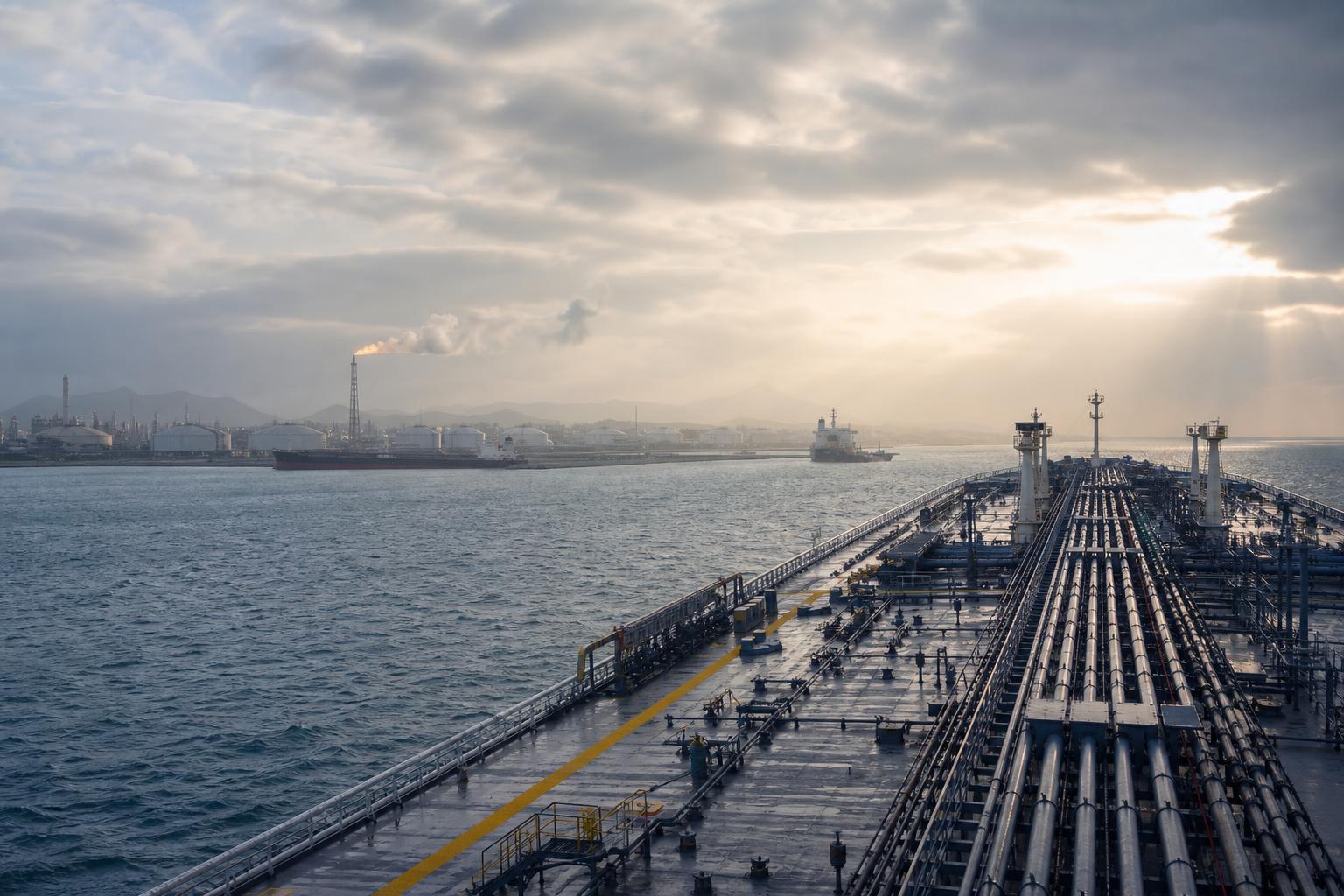
In response to worsening Middle East conditions, the government is considering submitting a new bill to an extraordinary Diet session this autumn to keep crude oil shipments running through dangerous areas. The plan would create a system under which the government would cover insurance payouts if tanker operators cannot secure reinsurance contracts for marine insurance.
Preparing for cases where reinsurance cannot be secured
Shipping companies take out insurance from non-life insurers to prepare for losses and liability stemming from accidents or war damage. For high-risk cases that a single insurer cannot fully cover, another insurer may take on the reinsurance.
Under the new law, if domestic non-life insurers cannot conclude reinsurance contracts with overseas insurers, they would contract with the government, which would provide the funds for insurance payouts. Non-life insurers would pay contributions to the government, and when needed, government subsidies would be used to pay claims. The aim is to keep crude oil tankers operating.
How to offset the rising risks in the Middle East has become an urgent issue. In the United States, the U.S. International Development Finance Corporation, a government-affiliated financial institution, has established a $20 billion reinsurance program to help improve disrupted maritime transport.
Major domestic non-life insurers reviewed their response in March in light of escalating Middle East tensions. In marine war insurance, which covers ship damage caused by war, they widened the scope of 'excluded areas' where premiums are added when vessels pass through.
There has been no major change in underwriting conditions, but shipping companies' insurance costs may be rising. There have so far been no cases of overseas reinsurers refusing contracts with domestic non-life insurers in the Middle East, according to the report.
Enjoyed this article? Share it with your network!