





AI demand lifts nonferrous metals, July corporate prices rise 7.2%
 2026-08-13
July corporate prices rise 7.2%
The Bank of Japan said on Wednesday that the July corporate goods price index, a preliminary reading with a 2020 average of 100, stood at 135.8, up 7.2% from a year earlier. The increase was below the private-sector median forecast of 7.4%, but followed June's 7.3% rise and stayed in the 7% range. In addition to higher crude oil prices, expanding demand linked to artificial intelligence (AI) also pushed up prices for copper and other goods.
Nonferrous metals and oil costs drive gains
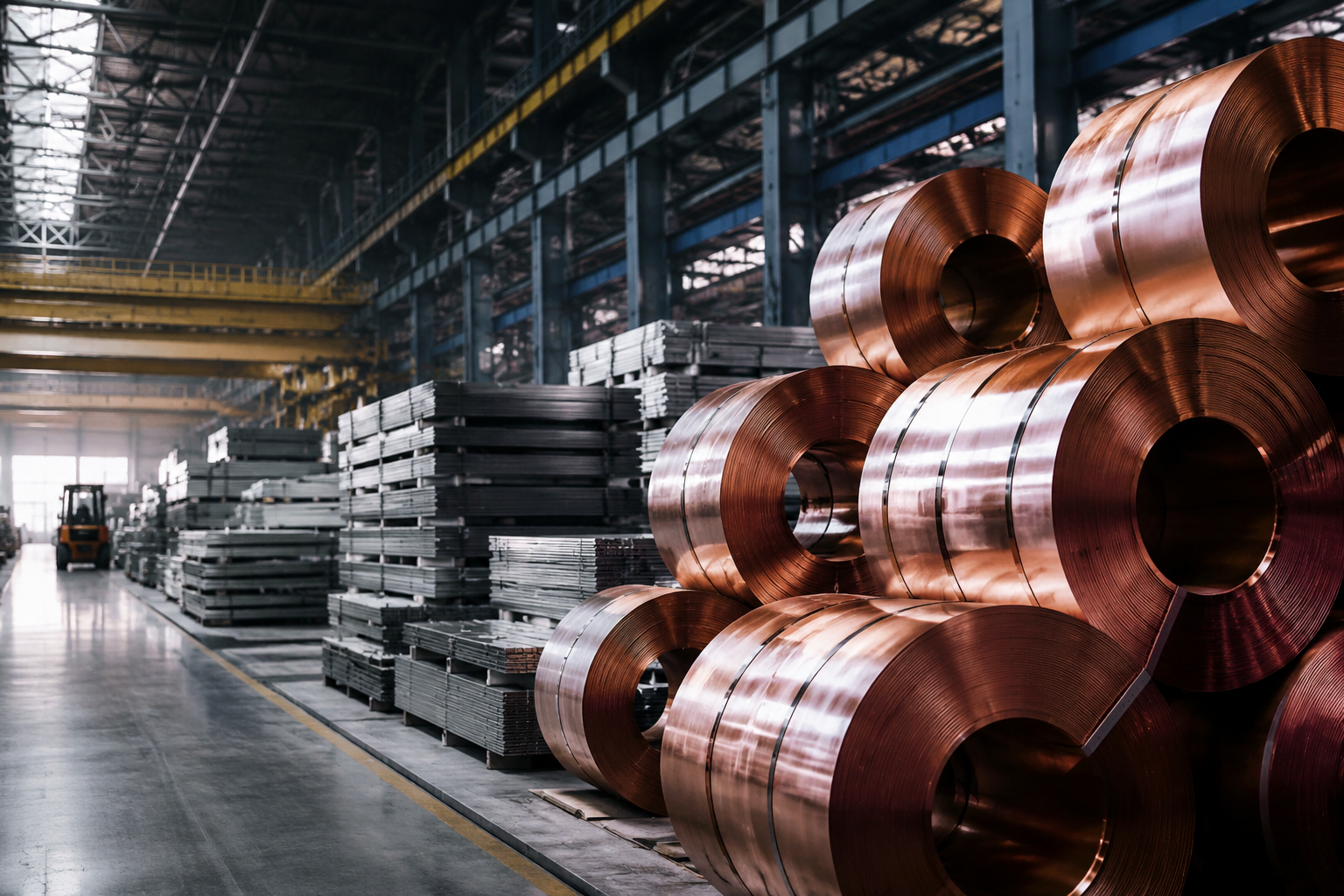
By category, nonferrous metals rose 40.6%, with the pace of increase widening by 1.3 percentage points from 39.3% in the previous month. Copper used in equipment for data centers rose on AI-related demand, while aluminium also became more expensive on higher energy costs and other factors.
The impact of higher crude oil prices linked to worsening conditions in the Middle East also continued. Petroleum and coal products rose 17.5%. The increase narrowed by 5.3 percentage points from 22.8% the previous month, reflecting lower crude oil prices in June, but prices remained elevated from a year earlier. The move to pass higher raw material costs through to selling prices also continued. Chemical products rose 12.9%. The main drivers were higher prices for naphtha, or refined gasoline, and basic petrochemical products, with the increases spreading to packaging materials for plastic goods and food products.
Import prices stay elevated
A Bank of Japan official said the central bank will 'keep a close watch on corporate pricing behaviour, including the price impact of AI-related demand and responses to higher raw material costs.'
The yen-based import price index rose 29.1%. The increase narrowed by 1.0 percentage point from June, but still marked a strong gain. In electrical and electronic equipment, MOS memory integrated circuits and other items became more expensive amid tighter supply and demand caused by stronger AI-related demand.
Of the 515 items published by the Bank of Japan, prices rose for 434, fell for 69 and were unchanged for 12.
Enjoyed this article? Share it with your network!