





U.S. July CPI rises 3.4%, easing Fed rate hike bets
 2026-08-13
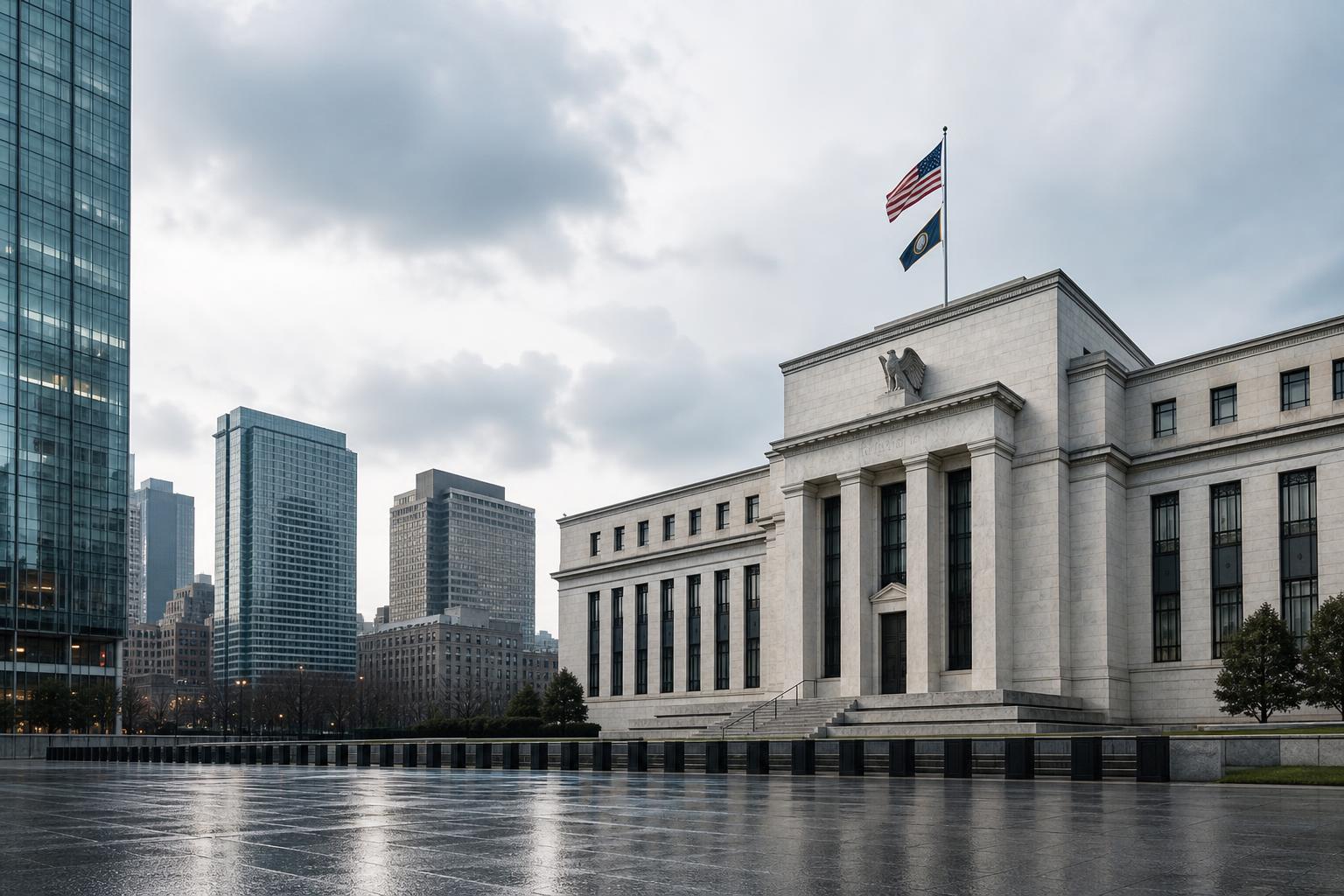
U.S. consumer prices rose 3.4% in July from a year earlier, the Labor Department said on the 12th, as measured by the all-items consumer price index (CPI). The pace remained high, but it slowed from the May peak of 4.2% driven by higher gasoline costs. The data further weakened views that the Federal Reserve would keep raising interest rates.
Gasoline and housing costs ease
Gasoline prices were 24.6% higher than a year earlier, though the increase was smaller than June's 26.7%. Housing costs, which account for more than one-third of the CPI, also rose more slowly, helped by lower summer hotel rates.
The core index, which excludes food and energy, rose 2.5%, slowing from 2.6% in June. The reading also pointed to easing inflation pressure in a measure closely watched for clues to the underlying trend in prices.
Rate hike bets fade further
The report is a tailwind for the Trump administration ahead of the November midterm elections. White House senior adviser Navarro wrote in U.S. media that July price trends had 'undermined the case for the Fed to keep tightening.' He has long opposed rate hikes that could cool the economy and urged the Fed to 'judge based on the numbers in front of it.'
Markets had already been scaling back expectations for an early rate increase before the CPI release. That was because July employment data released by the Labor Department on the 7th showed nonfarm payrolls falling against market expectations. The slower price growth reported on the 12th reinforced that view further.
In 'FedWatch,' which uses moves in U.S. interest rate futures to gauge monetary policy expectations, the probability of a rate hike at the Federal Open Market Committee meeting on Sept. 15-16 briefly fell below 40%. It had already slipped below 50% as of the 7th, and expectations have since retreated further.
Inflation pressure remains
Even so, inflation remains elevated. The Fed aims to stabilize the rise in the U.S. personal consumption expenditures (PCE) price index at 2%, but many market participants expect July PCE inflation to come in in the high 3% range for the headline measure and the low 3% range for the core measure. Prices are likely to remain well above the target.
Inflation erodes household purchasing power. Real wages on an hourly basis, adjusted for price changes, fell 0.3% in July from a year earlier, marking the fourth straight month of declines. That could weigh on consumer spending. There is also less room to draw down savings, with the savings rate for June, the latest available reading, falling to 2.7%, the lowest since 2.2% in June 2022.
It is difficult to tell whether CPI growth will continue to slow after August. Gasoline prices are currently above $4 a gallon, a level that consumers often regard as expensive. Depending on developments in the Middle East, higher gasoline prices could push up inflation again from August.
Enjoyed this article? Share it with your network!