





China rerouted exports via more than 40 countries, US estimates job impact
 2026-08-13
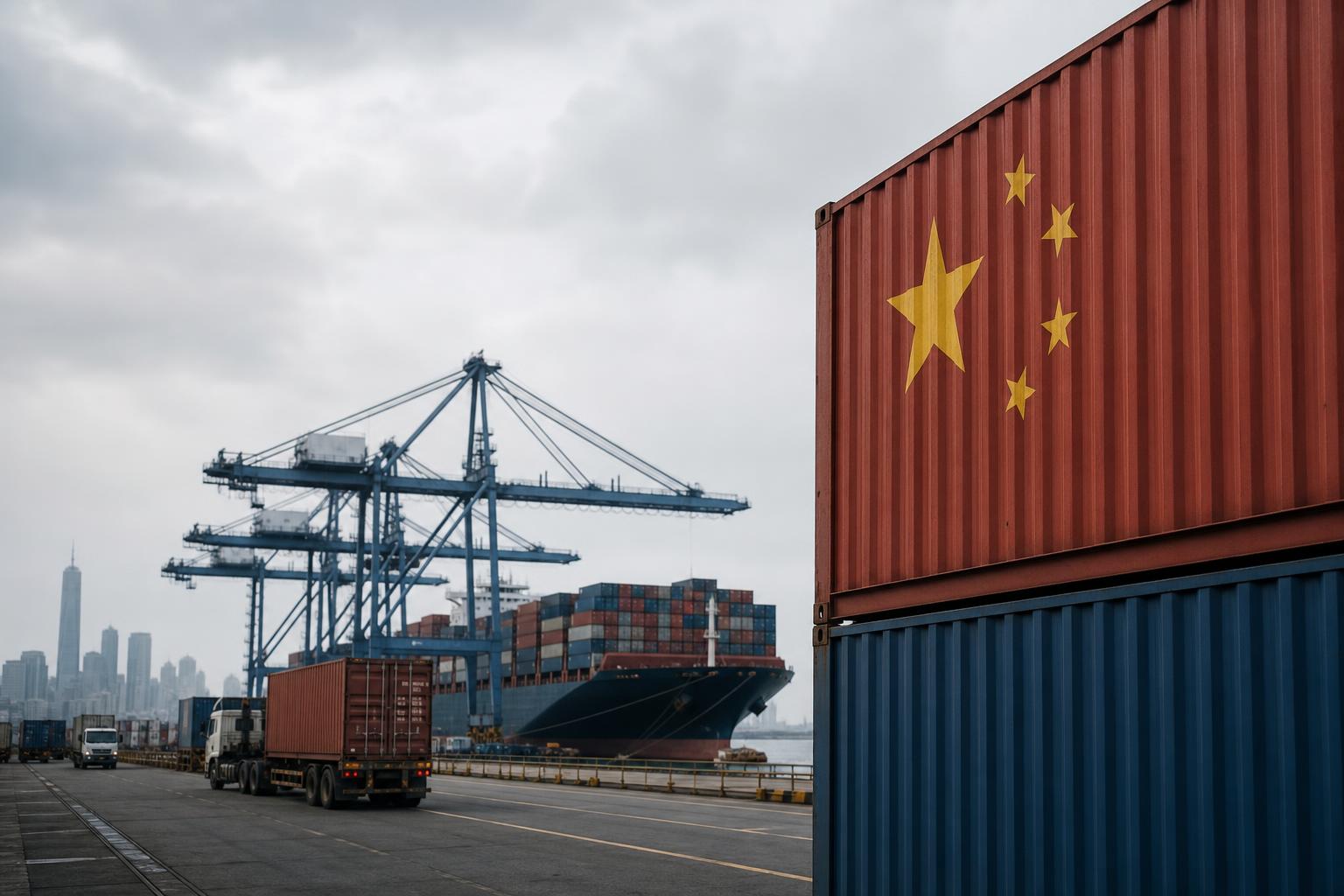
Transit countries for rerouted exports identified
The Trump administration on the 13th released a report on 'rerouted exports' of Chinese products shipped to the United States via third countries with relatively low tariffs. It said rerouting from China spans more than 40 countries, including Japan, and estimated that $75 billion in annual rerouted exports reduce US employment by 450,000 jobs.
According to the report, Chinese companies are evading higher tariffs by relabeling products or repackaging them in transit countries before exporting them to the United States. It identified more than 40 countries as transit hubs because of their large trade volume with China or their deep economic integration.
The list includes Japan, South Korea and Southeast Asian countries, as well as Canada, Mexico, Brazil, the European Union, India and Turkey.
Tariff revenue and economic impact
On the scale of illegal rerouted exports, the report included five public and private estimates. The forecasts ranged from $40 billion to $303 billion, but it used $75 billion as a standard estimate to calculate the economic and fiscal losses to the United States.
It estimated that tariff revenue is being reduced by $19 billion to $34 billion a year. The average tariff rate the United States imposes on imports from China currently stands at about 50%. The report said the gap between that and the tariff rate applied to rerouting destinations is driving the decline in US tariff revenue.
The report said rerouted exports from China are replacing products that would otherwise be produced in the United States, effectively widening the US trade deficit and weighing on jobs and gross domestic product (GDP). It estimated that employment will fall by 450,000 and GDP by $113 billion to $150 billion. The decline in jobs is equivalent to the 426,000 increase in nonfarm payrolls in January-July 2026.
Customs AI detection and dependence on China
As a countermeasure, the report said customs authorities are strengthening monitoring by introducing artificial intelligence (AI) systems that detect abnormal shipping routes and false country-of-origin declarations. It also warned that 'the age of untraceable illegal transshipment is over.'
Direct exports from China to the United States declined after the trade war between the two countries began under the first Trump administration. Meanwhile, according to estimates by the Peterson Institute for International Economics, the scale of exports to the United States, including rerouted shipments, has continued to rise.
The institute also said current Trump tariffs will 'probably fail to curb US dependence on imports from China.'
Enjoyed this article? Share it with your network!