





23-hour trading in U.S. stocks prompts brokers to prepare for daytime trading
 2026-08-12
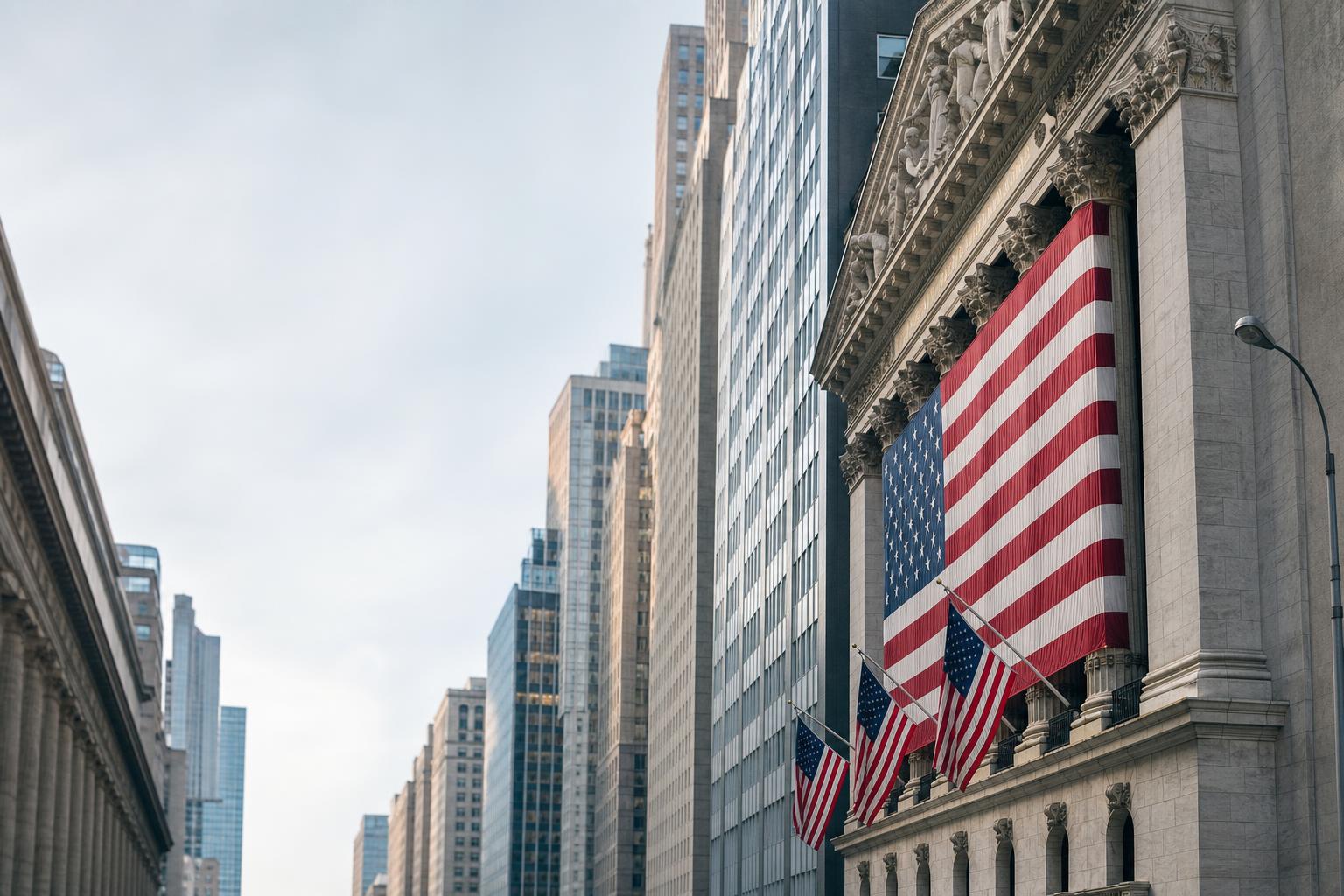
Daytime U.S. stock trading to begin
Major domestic online brokerages are set to support 23-hour trading in U.S. stocks as early as December. If trading becomes possible during the daytime in Japan, individual investors will find it easier to switch between Japanese and U.S. stocks even as trading hours overlap with those of the Tokyo Stock Exchange.
The coverage will include stocks listed on the New York Stock Exchange and Nasdaq. Until now, trading was limited to the hours from night to early morning in Japan, but after 23-hour trading begins, U.S. stocks can be bought and sold in real time even during TSE trading hours. The boundary between major markets divided by time zones will become less distinct.
Broker responses differ
Among 20 major domestic securities firms, a survey of the 19 that responded found that nine plan to allow daytime trading in line with the 23-hour schedule starting in December. SBI Securities, Rakuten Securities, Monex Securities and Matsui Securities will be ready from the first day of the trading extension on Dec. 6. Mitsubishi UFJ eSmart Securities is considering a phased rollout while checking demand.
Rakuten will extend U.S. stock trading hours to 16 hours in total, including after-hours trading, enabling real-time transactions. Matsui Securities will also extend its trading hours, which are currently set from 6 p.m. to 6 a.m. during winter time, by 11 hours. It is also rushing upgrades to systems that aggregate trading value and customer profit and loss. PayPay Securities has allowed U.S. stocks to be traded in principle around the clock since launch, and will support the change from day one through upgrades to its existing systems.
Face-to-face brokers stay cautious
By contrast, securities firms that accept orders in person or by phone are cautious. Among face-to-face brokers, only Okasan Securities, Tokai Tokyo Securities and Mito Securities said they were considering a response. SMBC Nikko Securities and Ichiyoshi Securities said they do not plan to support it for now. Nomura Securities, Daiwa Securities, Mizuho Securities, Mitsubishi UFJ Morgan Stanley Securities, Aizawa Securities, Kyokuto Securities and Toyo Securities said they are still considering the matter, including whether to respond.
Behind this is the heavy cost burden that comes with the extension. Face-to-face brokers rely heavily on human handling of orders, and will need to upgrade core systems and review staff deployment. Their customer base is mainly institutional investors, making demand difficult to gauge. The key question is whether they can secure profits that justify the cost of support.
Retail money flows accelerate
Trading by individual investors in overseas stocks, especially U.S. stocks, is rising sharply. Participation by day traders and others is likely to be particularly noticeable. According to the Ministry of Finance, trading value for overseas stocks via mutual funds reached 77 trillion yen in 2025, roughly double the level five years earlier. The popularity of funds that allow diversified investment in global stocks has broadened investor interest in overseas shares. Yuhji Kusunoki, president of Rakuten Securities, said that once 23-hour trading starts, 'a certain number of young investors who traded Japanese stocks will shift to U.S. stocks.'
Large listings are also arriving one after another in the U.S. market. SpaceX, the U.S. space company that went public in June, drew purchase demand in Japan more than three times its target and exceeded 1 trillion yen. U.S. OpenAI and U.S. Anthropic, both developing artificial intelligence, are also planning listings, suggesting the flow of domestic investment money toward the U.S. is likely to strengthen further.
Impact on the TSE in focus
The Tokyo Stock Exchange's response is also in focus over 23-hour trading in U.S. stocks. Systems in the U.S. and elsewhere make it easier for individual investors to trade than in Japan, and U.S. stocks can be bought starting from one share. By contrast, Japanese stocks are generally traded in lots of 100 shares, and many stocks require a large amount of capital. Japan's trading hours total only 5.5 hours, far shorter than those in the U.S. and elsewhere.
If Japanese investors further expand their U.S. stock investments, it could also affect where Japanese companies choose to list. PayPay, the smartphone payment service, made its debut on Nasdaq in March. That showed Japanese investors can provide funding even without a listing in Japan, and if the hollowing out of the domestic capital market progresses, it will also weigh on the government's goal of turning Japan into a 'nation of asset management.'
Enjoyed this article? Share it with your network!