





First coordinated yen buying in 28 years pressures Japan to shift policy
 2026-08-12
MacArthur's corncob pipe
The Dai-ichi Life Insurance headquarters building on the east side of the Imperial Palace, along the moat in Hibiya, was requisitioned by GHQ after the war ended. On the sixth floor, the office of Gen. Douglas MacArthur, Supreme Commander for the Allied Powers, is preserved with its wartime atmosphere intact. What stands out is a replica of the corncob pipe MacArthur favored. Made by drying a corn cob with the kernels removed and hollowing out the inside, the pipe is larger and heavier than a wooden one and has a rugged feel. MacArthur is said to have used the long stem as a pointer on the battlefield to enhance his photo appeal. On Aug. 30, 1945, he stepped off at Atsugi airfield with this corncob pipe in his mouth, leaving a vivid impression of Japan's defeat.
The response Summers pressed for
More than half a century later, in June 1998, Japan was in the midst of a financial crisis as the problem of bad loans deepened. In the foreign exchange market, selling of the yen intensified, pushing the government to seek sweeping measures to stabilize the financial system. The yen, which stood in the 110 yen range to the dollar in June 1997, fell to the 146 yen range within a year. The turning point came on June 17, 1998. Japan and the United States moved to coordinated intervention, buying yen and selling dollars, and halted the relentless slide in the currency. Prime Minister Ryutaro Hashimoto and U.S. President Bill Clinton agreed that a strong yen and market stability were important for the Asian and global economies, and Japan pledged to accelerate disposal of bad loans. The following day, then U.S. Treasury Deputy Secretary Lawrence Summers arrived in Japan. He left Harvard University in February this year after the Epstein matter, but he was well known as a prodigy who became a tenured professor at an unusually young age. His curt manner was often taken as condescending or arrogant.
Japan's counterpart was Finance Ministry vice minister Eisuke Sakakibara, but Summers did not care about hierarchy. He met, minute by minute, with Foreign Minister Keizo Obuchi, Finance Minister Mitsuo Matsunaga, Bank of Japan Governor Eichi Hayami, Kiichi Miyazawa and others, repeatedly pressing Japan to act. As a result, he secured a commitment to accelerate the disposal of bad loans. About a month after his visit, Summers received a memento from Harvard University. Inside was the corncob pipe that had become synonymous with MacArthur, a somewhat ironic gesture given the view that his conduct during his stay in Japan evoked the country's supreme authority figure after defeat.
First coordinated intervention in 28 years
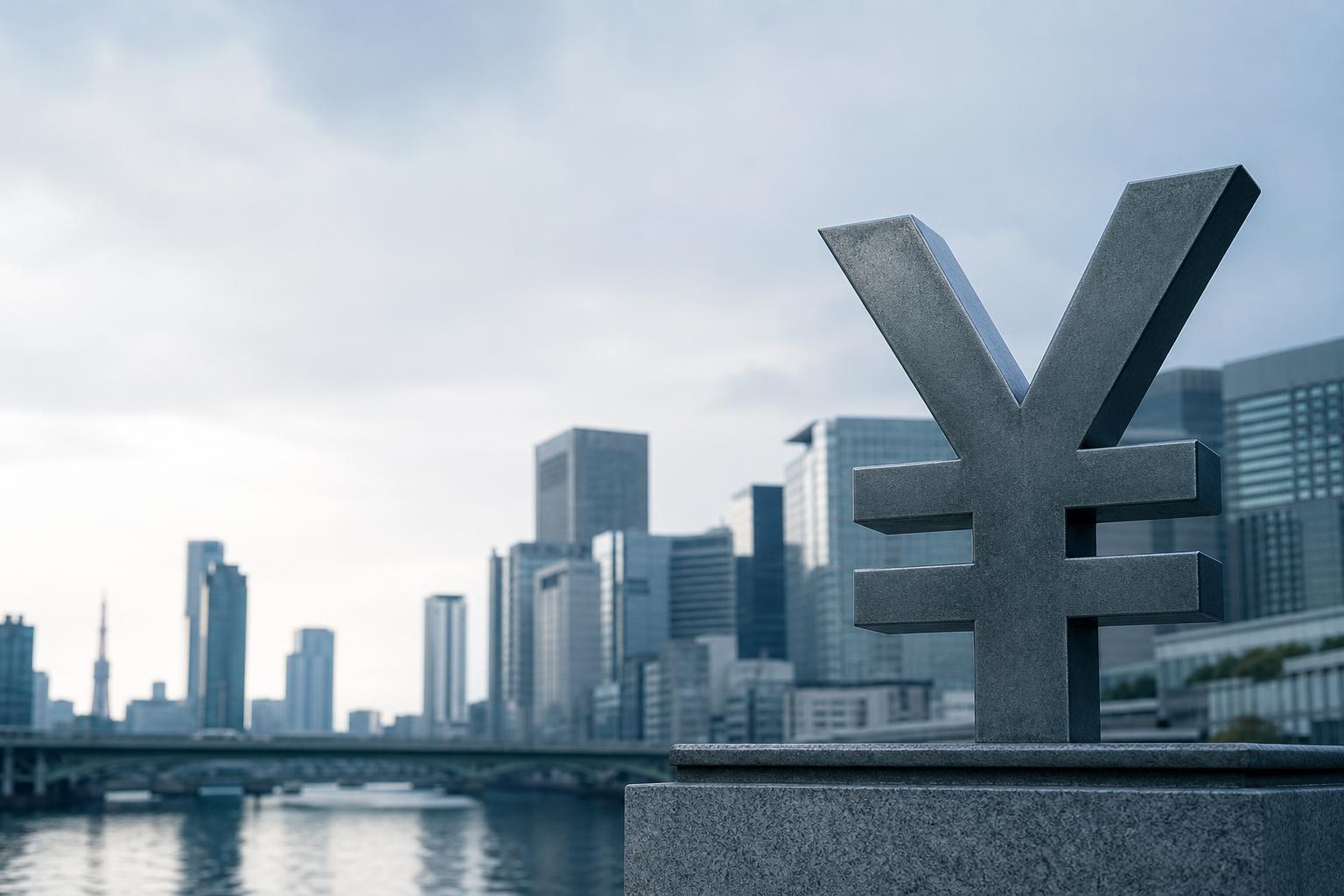
In the summer 81 years after the war ended, the yen's exchange rate against the dollar was marked down to 155 and then 160. Each time, Finance Minister Satsuki Katayama and Finance Ministry top currency diplomat Atsushi Mimura issued warnings, and repeated market intervention to buy yen did not stop the weak-yen trend. At the end of July, Japan moved to coordinated intervention with the United States. It was the first time Japan and the United States had jointly supported the yen since 1998, when Summers visited Japan.
Even so, it is too early to view this as the finished form of a Japan-U.S. currency alliance. The structure is the same as in 1998, with Japan unable to curb the yen's decline on its own and seeking U.S. support. Speaking to reporters on the 2nd, U.S. President Donald Trump referred to currency intervention to buy Argentine pesos, military intervention in Venezuela and a rescue through an investment in Intel that he had undertaken since taking office, placing the recent coordinated yen-buying intervention in the same category. He said Japan had sought help in response to the weak yen and described it as a deal from which the United States would gain financially.
In a July 4 interview with this newspaper, U.S. Treasury Secretary Scott Bessent also explained the background to the intervention, citing the 1997-98 currency crisis and saying many Asian currencies move in step with the yen. In an interview with CNBC, he added that if Japan continues to implement appropriate policies, the yen will return to a more normal equilibrium value. In effect, the intervention has bought time and increased pressure on Japan to respond with policy action.
Twenty-eight years ago, Japan also knew what needed to be done. Accelerating the disposal of bad loans was an urgent task, but strong resistance to putting public money into handling housing finance specialists prevented the Hashimoto administration from producing a fundamental solution. Japan then went through the failure of Long-Term Credit Bank of Japan and other events, deepening its deflationary slump. The 'window of opportunity' Summers spoke of at the time still carries weight. The government and ruling coalition should also understand that delays in normalizing interest rates and a loosening of fiscal discipline are inviting yen selling. The time created by coordinated intervention needs to be used for a policy shift.
Enjoyed this article? Share it with your network!