





Zhu Rongji, architect of market reforms, dies at 96
 2026-08-12
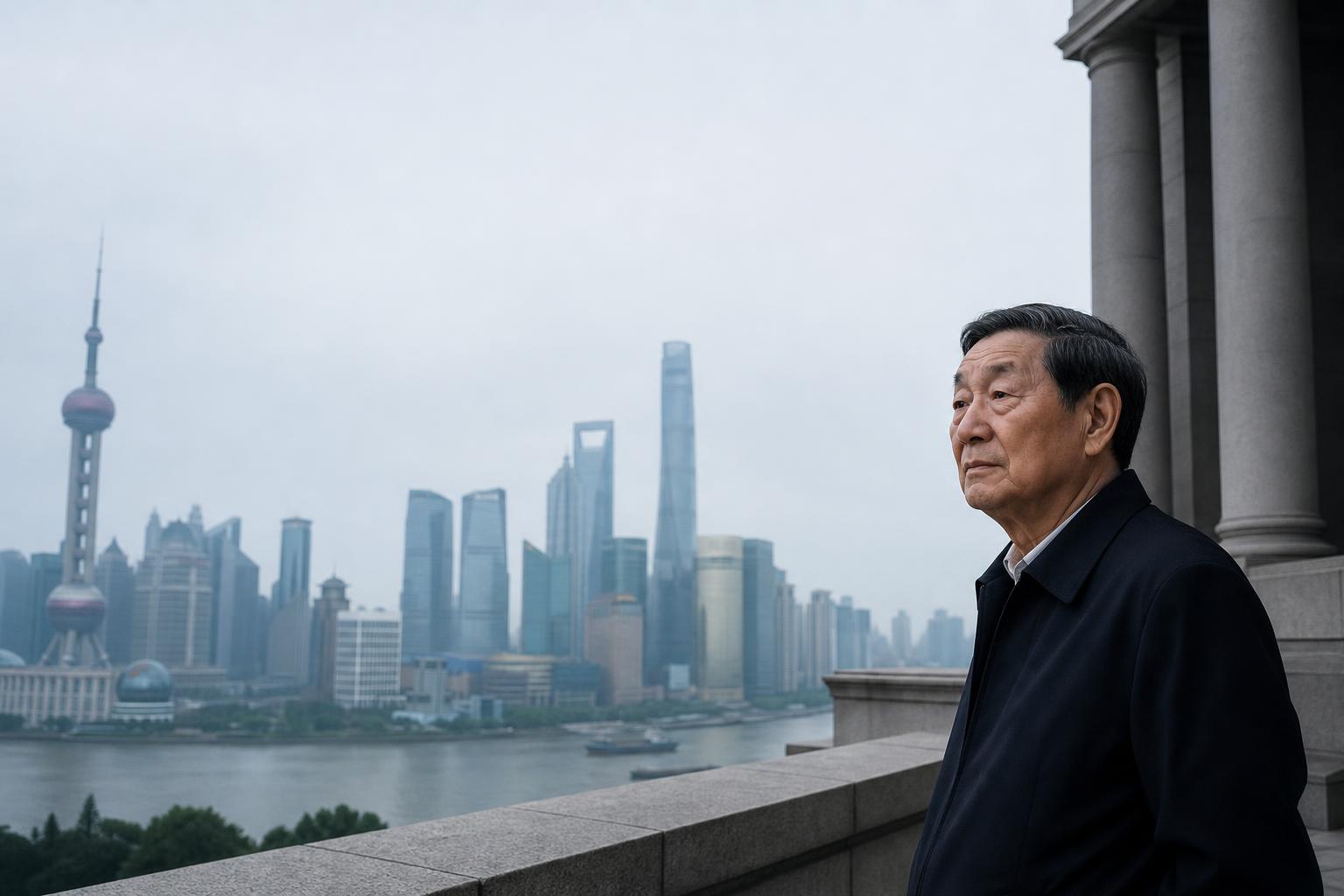
Former Chinese Premier Zhu Rongji died on the 12th. He was known as the leader who corrected the flaws of the planned economy and drove reforms to introduce market forces.
He led high growth as premier
Zhu became premier in March 1998. As the Chinese economy was slowing under the impact of the Asian financial crisis, Zhu shifted toward expansionary fiscal policy. He secured China's entry into the World Trade Organization in 2001, drawing foreign investment and laying the foundation for rapid growth.
Against that backdrop of high growth, he cut about 40 million workers from state-owned manufacturing companies and reorganized the 40 central government ministries into 29. He also pressed ahead with bad-debt disposal at the four major banks, and was dubbed the 'economic emperor' for helping lay the groundwork for China's rise as the 'world's factory'.
The gains and costs of reform
At the same time, some said Zhu's reforms led to higher unemployment and a widening gap between rich and poor. His tax reforms, which he led as vice premier, shifted local government revenue sources to the central government, a change widely seen as deepening pressure on local finances. Local governments became dependent on revenue from land-use rights sales, which is said to have fueled indiscriminate development, environmental damage and soaring property prices.
He had a difficult early life: his father had already died before his birth, and his mother died when he was a small child. He said he developed 'independent thinking' through adversity. Even in primary school, he could recite Water Margin from memory, showing exceptional intelligence from a young age.
In October 2000, he visited Japan and said he hoped to use history as a guide to build friendly relations for generations to come, calling for future-oriented ties between China and Japan. On a TBS program, he appeared in direct discussion with ordinary citizens and ended by performing on the huqin, his hobby.
The state-owned enterprise reforms Zhu promoted remain a challenge for Xi Jinping's leadership. In 2013, he published 'Zhu Rongji Shanghai Speeches Record,' a collection of speeches from his time as Shanghai's top official, and reform-minded figures who had been influenced by him gathered at a launch event held at the Great Hall of the People. Today, policies favor state-owned enterprises while private companies come under pressure, and structural reform has slowed.
Enjoyed this article? Share it with your network!