





BOJ July meeting opinions point to earlier rate hikes on inflation risks
 2026-08-10
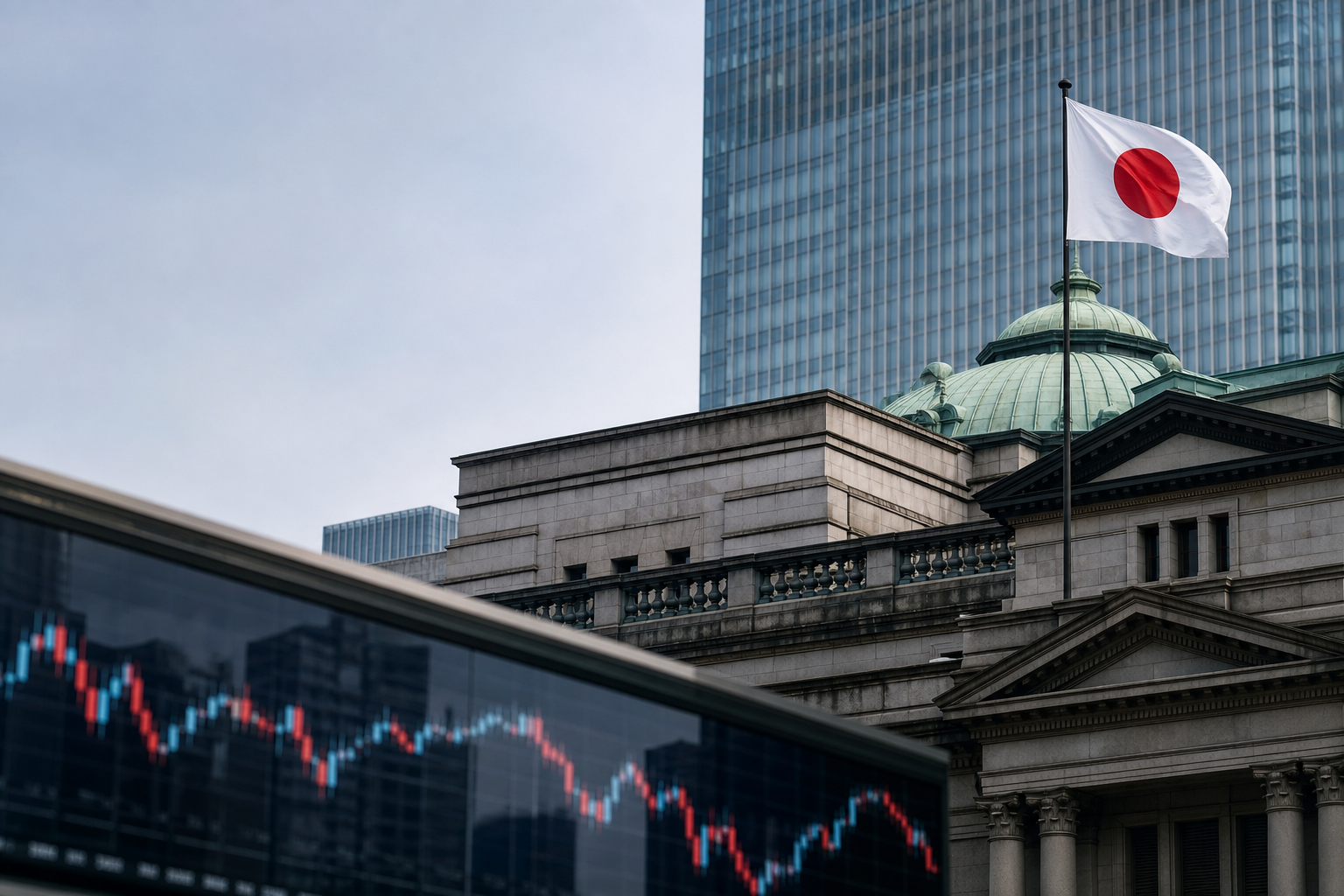
The Bank of Japan on the 10th released the main opinions voiced at its July 30-31 monetary policy meeting. Among the nine policy board members, some said the central bank should quickly adjust the degree of monetary easing, citing caution over upside risks to prices.
Views on the timing of rate hikes
At the meeting, the policy rate was left unchanged at 1.0%. Policy Board member Hajime Takata proposed raising the rate to 1.25% in light of upside inflation risks from abroad and other factors, but the proposal was rejected by a majority vote.
Even so, several opinions from the nine board members could be read as supportive of an early rate hike. One member, referring to the fact that central banks around the world are in a tightening phase, said the BOJ had moved into a new stage in which it would need flexible responses to changes in overseas financial conditions and discussion of the pace of rate increases. The member said the bank needed to clearly signal to markets that it stands ready to contain further price upside.
Another member said the pace of rate hikes could accelerate beyond market expectations depending on economic, price and financial conditions, and argued that greater attention must be paid to upside inflation risks. Markets had previously been pricing in a pace of about one rate hike every six months.
Focus on policy normalization
There was also an opinion that, given accommodative financial conditions, it is important to adjust the policy rate flexibly while paying particular attention to the risk of higher prices. Some remarks also referred to the neutral rate as a clue to where rate hikes may end.
The BOJ estimates the neutral rate, which neither stimulates nor cools the economy, at 1.1% to 2.5% on a nominal basis that takes into account its 2% inflation target. One member said the bank needs to raise the policy rate, which is still below the lower end of that estimated range, and set a path toward normalizing monetary policy while preserving flexibility in policy decisions.
Minoru Kiuchi, the economy, trade and industry minister, attended the July 31 meeting as one of the government representatives. According to the summary of opinions, an official from the Cabinet Office said, on the premise of close coordination with the government, that it expects appropriate monetary policy management aimed at the sustainable and stable achievement of the 2% price stability target.
Enjoyed this article? Share it with your network!