





Yen briefly falls to 159 per dollar, erasing half of intervention gains
 2026-08-10
Yen selling dominates
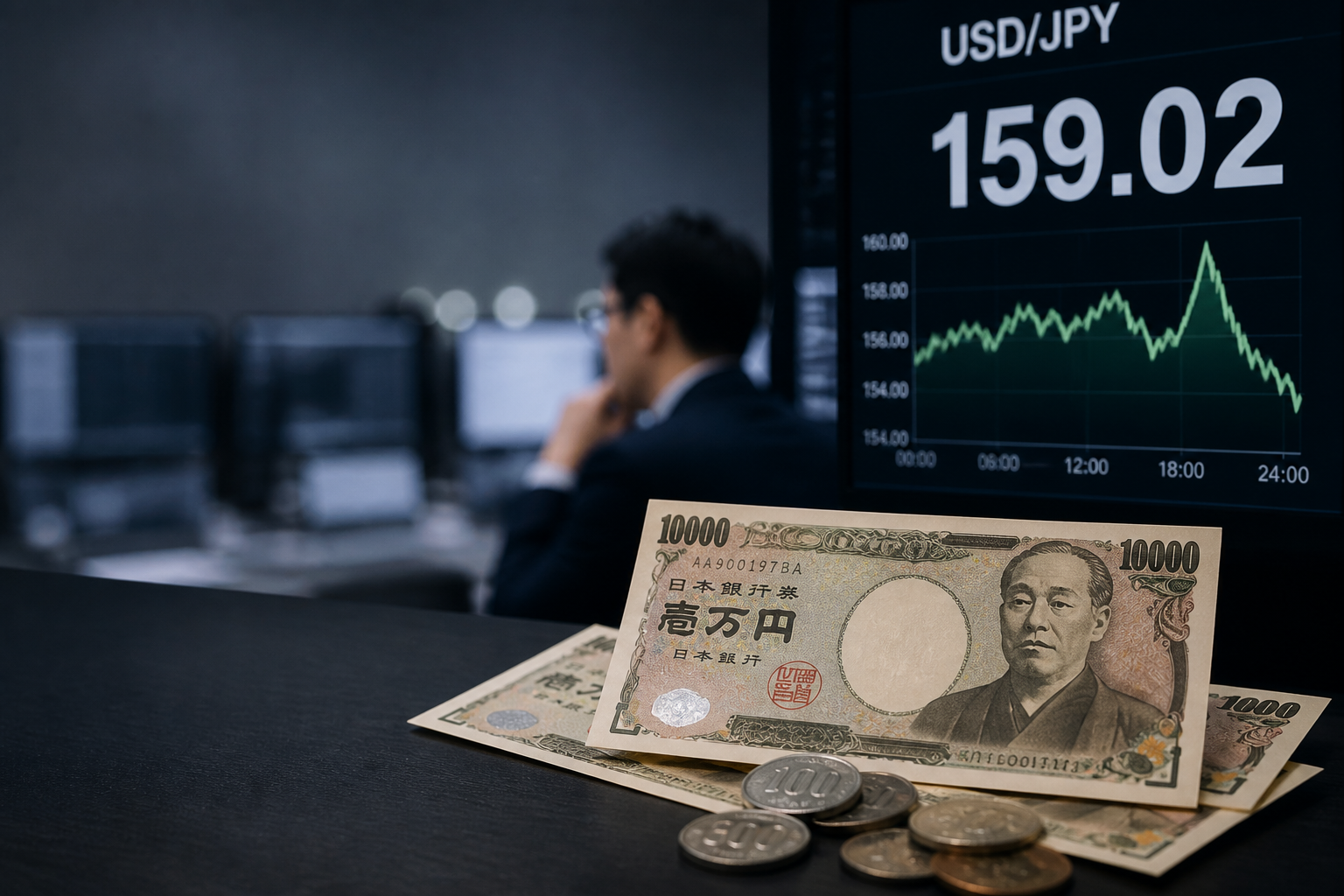
In the foreign exchange market on the 10th, the yen briefly fell to the 159-yen range against the dollar. It was the weakest yen and strongest dollar level since the end of July, wiping out half of the gains made after coordinated currency intervention by Japanese and U.S. authorities. With fears of additional intervention fading, yen selling has dominated the market.
After intervention
The government and the Bank of Japan intermittently stepped in to buy yen from July 30. On the 31st, Japanese and U.S. authorities carried out coordinated intervention, and the yen also surged at one point on Aug. 3. Just before the intervention, the yen was in the 162.80s per dollar, and on Aug. 3 it had risen to around 155.20 at one point. Over five trading days, that means it retraced half of the 7.60-yen gain.
Safe-haven dollar buying
Against the euro as well, it briefly fell to the high 183-yen range per euro on the 10th. More than half of the post-intervention gains have been erased. Market participants said 'with no additional yen-buying intervention, short-term players such as hedge funds that had been expecting further yen appreciation and dollar weakening are moving to sell yen'. There is also a deep-rooted view that the Sanae Takaichi administration's expansionary fiscal policy could worsen public finances and intensify pressure to sell yen.
On the 9th, Yemen's pro-Iran Houthi movement attacked a refinery of state oil company Saudi Aramco in Saudi Arabia with drones. As concern grew that tensions between Saudi Arabia and the Houthis could affect talks between the United States and Iran to end hostilities, safe-haven dollar buying spread. Uncertainty over energy transport also pushed up crude prices, and expectations that Japan's trade deficit would widen because it relies on imports such as crude oil also encouraged yen selling and dollar buying.
Enjoyed this article? Share it with your network!