





Yen Hits 159 Zone, Erasing Intervention Gains
 2026-08-10
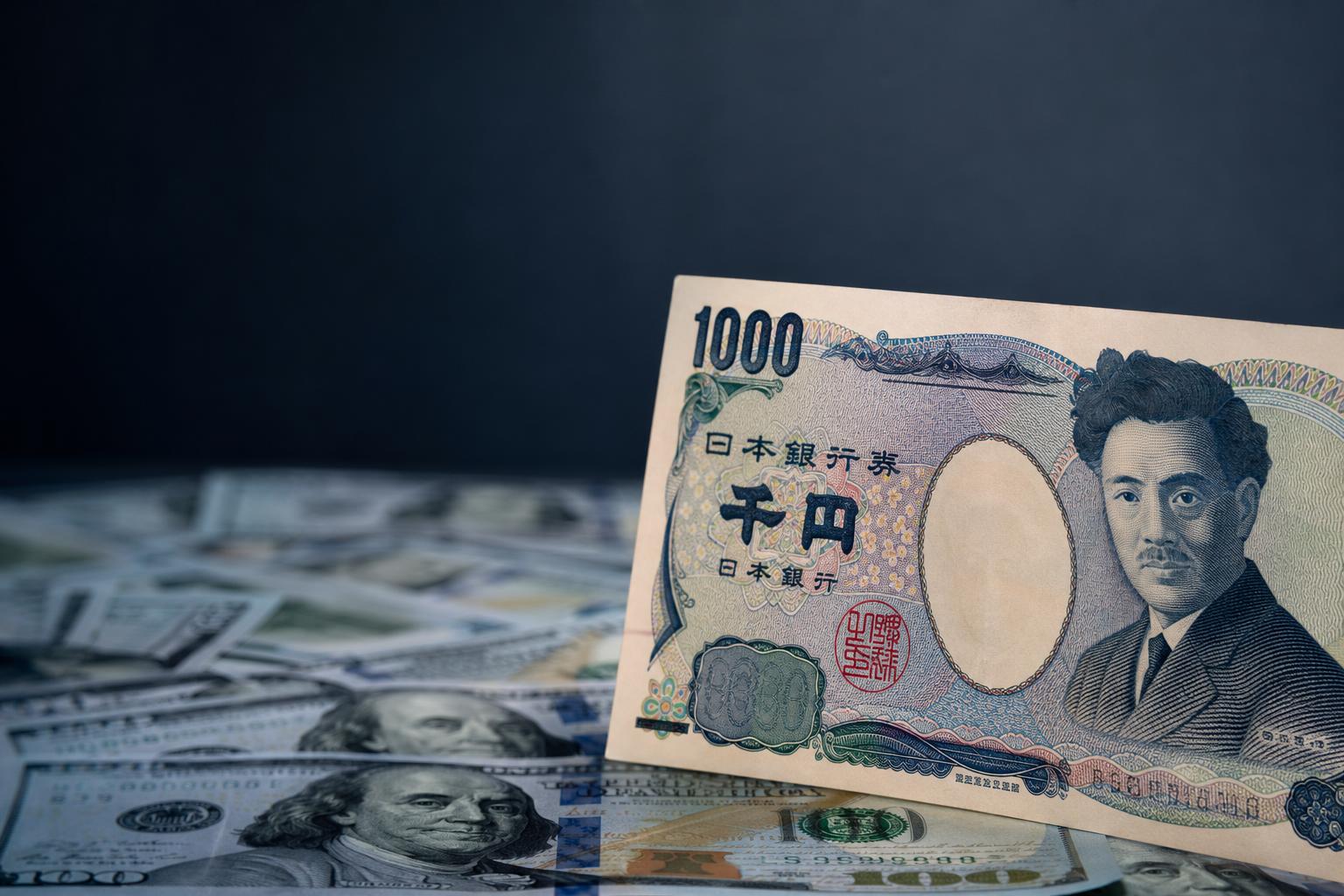
Half of Intervention Gain Lost
In the New York foreign exchange market on the 10th, the yen fell at one point to the 159-per-dollar range. It marked the weakest yen level since the unusual coordinated intervention by Japanese and U.S. authorities from the end of July, and more than half of the gains from the intervention were erased.
Brief Surge on 7th Fails to Last
In the early hours of the 7th in U.S. Eastern time last Friday, the yen briefly surged to around 156.60 per dollar as dollar selling and yen buying intensified after U.S. employment data fell sharply short of market expectations. However, yen buying did not continue, and around 1 a.m. on the 10th, the pair returned to levels seen before the jobs report. By just before 10 a.m., the yen had been sold down to the 159 range.
Intervention Effect Limited
Before the large-scale intervention that began on July 30, the yen was trading in the 162.80 area. After the intervention, it briefly strengthened to around 155.20 on August 3, gaining as much as 7.60 yen against the dollar over three trading days, but it gave back more than half of that move over the following five trading days. Falling below the so-called half retracement level, which is considered important in technical analysis, highlighted the weakness of the rebound. The 200-day moving average also acted as a barrier to further yen gains, and after briefly breaking above it, the currency was pushed back toward yen weakness.
Persistent Real-Money Yen Selling
Christopher Rupkey of Forward Bonds in the U.S. said that given the expanding size of the foreign exchange market, intervention alone is not enough to change the direction of the market. According to the U.S. Commodity Futures Trading Commission, the net short yen position against the dollar held by non-commercial traders, including hedge funds, stood at 45,473 contracts as of the most recent four-day period, down 70 percent from the previous week. Even so, with the yen weakening further, there is a view that real-money players such as Japanese importers remain steady dollar buyers and yen sellers.
Higher Oil Prices Also Weigh
Rising energy prices also weighed on the yen on the 10th. On the 9th, an Iran-backed armed group in Yemen attacked a Saudi Arabian refinery with drones, and the front-month U.S. crude benchmark WTI rose at one point to the 82-dollar-per-barrel range. Japan relies heavily on crude imports, so higher oil prices tend to worsen the trade balance, prompting yen selling and dollar buying on expectations that importers will need more dollars for settlement.
Watch for More Intervention
In the market, attention is focused on whether Japanese and U.S. authorities will step in with additional currency intervention. Periods when trading thins during the summer holiday season can bring larger price swings, making it easier for authorities to move the market with a smaller amount of intervention. If the yen weakens further beyond 160 per dollar, concerns over intervention are likely to intensify.
Enjoyed this article? Share it with your network!