





New Hormuz route talks, Iran demands end to US port blockade
 2026-08-09
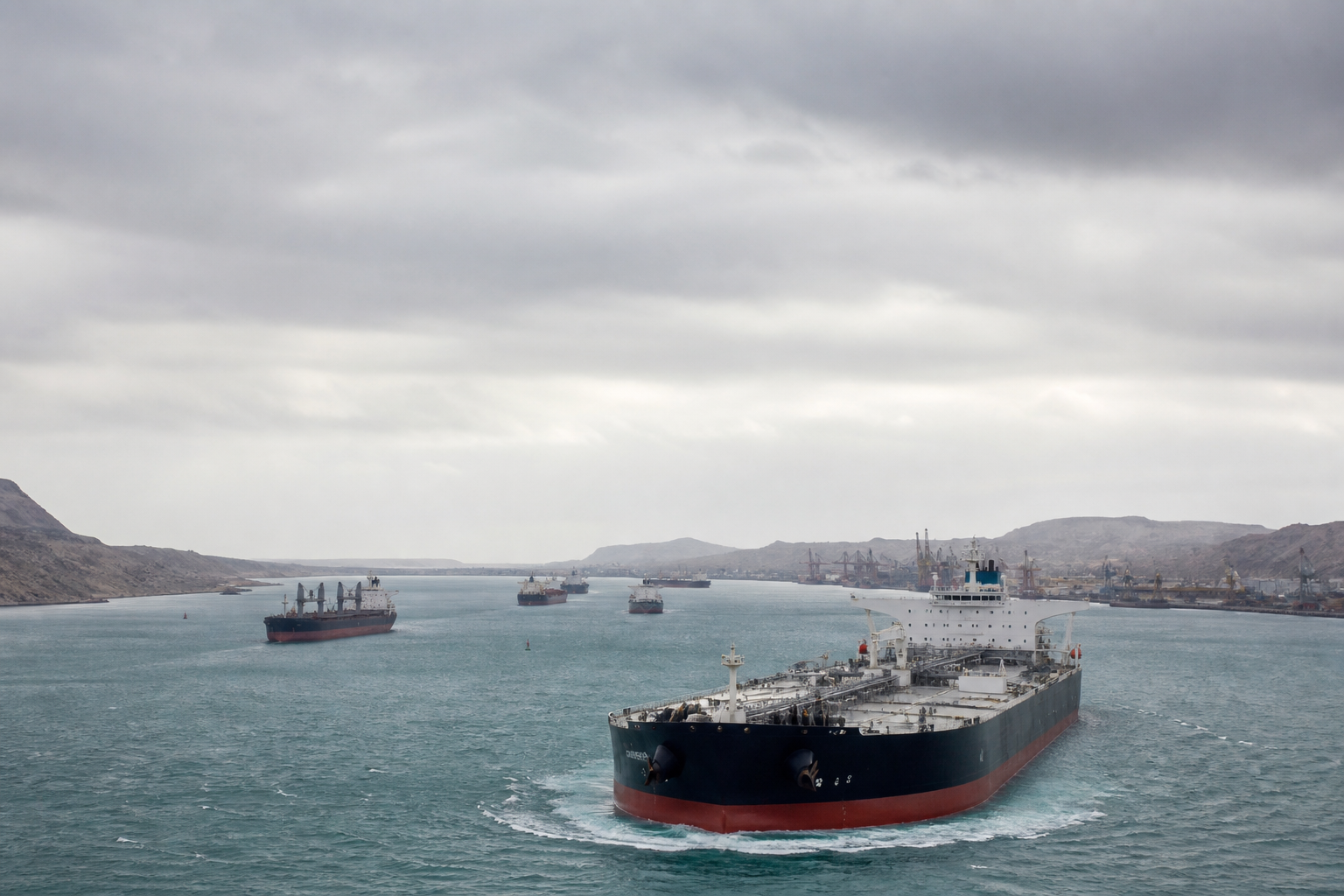
Proposal for a new strait route
On the 5th, Foreign Ministry spokesman Baghai said Iran and Oman had 'agreed on the latitude and longitude of the route' for passage through the strait, and that a joint statement was in its final stages. He said the new route did not mean the strait would be opened, and argued that the United States needed to stop its port blockade of Iran and its intimidation.
The new route is seen as a plan in which ships would enter the Persian Gulf via a northern route closer to Iran and leave via a southern route on the Omani side. Iran may also collect security fees and other charges, which could amount to de facto recognition of the country's asserted control over the strait.
Sharp fall in crude exports
The backdrop to Iran's call for an end to the port blockade is a drop in crude exports. After the United States and Iran signed a memorandum of understanding on June 17, Iran said it had been able to export a 'substantial amount of crude oil that it had stockpiled'. TankerTrackers, which monitors global shipping movements, said Iran exported crude oil and other cargo worth more than $6 billion during that period.
However, when the United States resumed the port blockade in July, exports fell sharply. According to the European research firm Kpler, some weeks from late June to early July saw shipments of more than 1 million barrels per day, but in the week of July 27 to August 2, volumes fell to the 300,000 barrels per day range. That was down 70% from late June, showing the blockade is having an effect.
Sanctions evasion and renewed talks
The United States has imposed sanctions on Iran, including an oil embargo, since before the military clash at the end of February. Washington believes Iran has long sought loopholes under years of economic sanctions and has evaded them with so-called shadow fleets that do not show location data.
Oil Minister Paknejad stressed that Iran has 'built a system over many years to ease U.S. sanctions', but the maritime blockade may be showing some effectiveness in tightening exports. Some of the crude revenue is also said to fund activities such as the Revolutionary Guard's weapons procurement and reconstruction after attacks by the United States and Israel.
After the memorandum in mid-June, the two sides had planned to resume talks after the funeral of the late Ali Khamenei, but the confrontation over control of the Hormuz Strait did not ease. Rather than returning to dialogue, the exchange of attacks intensified again. For Iran, foreign currency earnings from crude exports are essential to medium- to long-term economic recovery, and the recent slowdown in exports may be weighing on the economy.
Enjoyed this article? Share it with your network!