





Midea portable air conditioners ship 200,000 units in Europe as heat drives demand
 2026-08-09
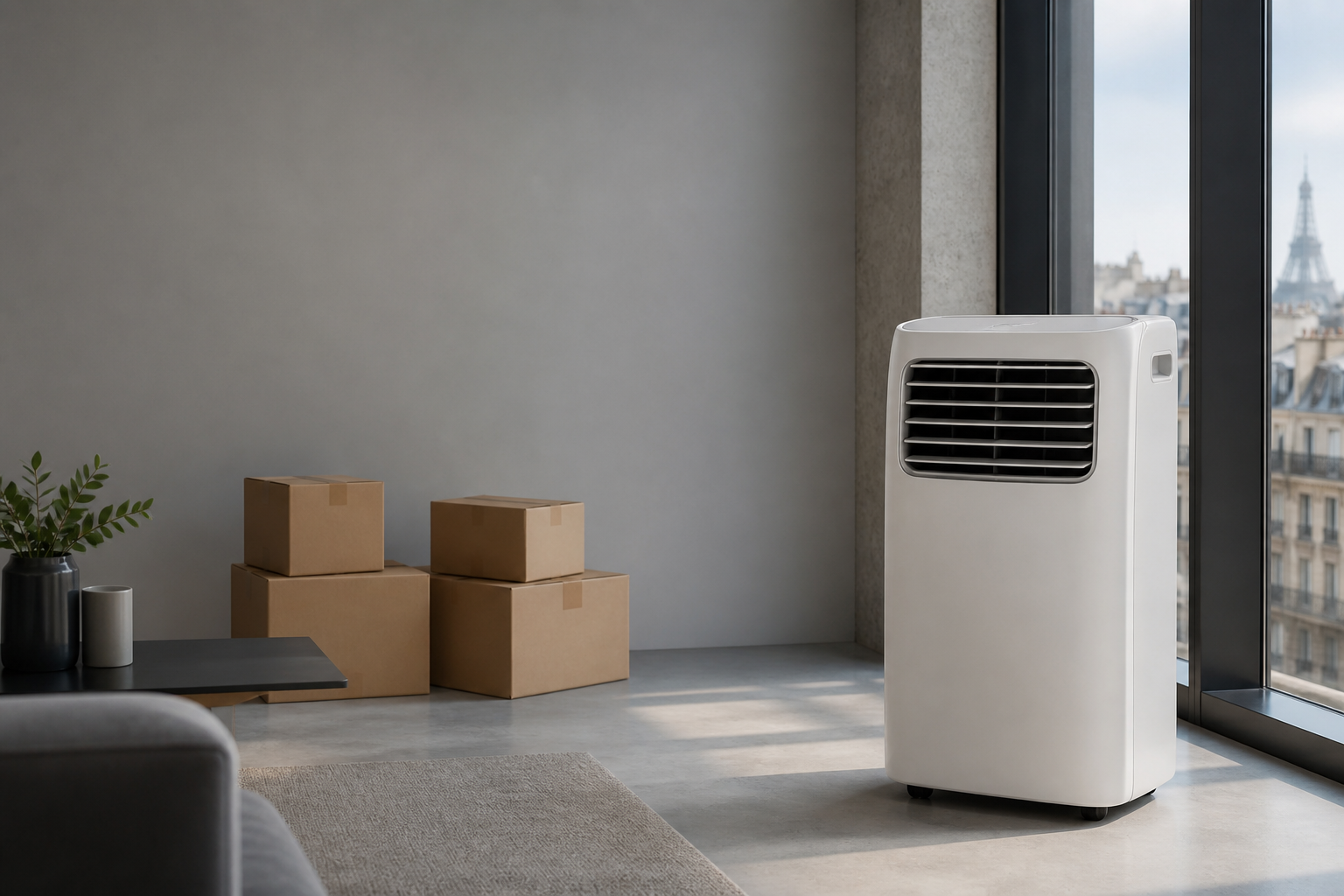
Chinese-made air conditioners are gaining a stronger foothold in the European market. Midea Group's installation-free portable model shipped 200,000 units from early 2026 through late June, double the full-year total for 2025. With domestic demand weak, Chinese companies are looking for room to grow overseas.
Heat wave lifts demand in Europe
At Midea's factory in Nansha, Guangzhou, Guangdong province, in July, boxed portable air conditioners known as Porta Split were being loaded one after another into containers by forklift. The containers were then put on trucks and sent to hubs for the sea route linking China and Europe and for the China-Europe Railway Express, a land freight service.
Europe was hit by a record heat wave in late June, with temperatures topping 40 degrees Celsius in France and Germany. As demand for air conditioners surged, Porta Split became a fast seller. In late July, Midea said it had secured an additional 160,000 orders since June. In some regions, stocks ran out and the product became hard to find.
Meeting a market with installation hurdles
According to the International Energy Agency, Europe's air conditioner penetration rate stood at 23% in 2025. Many older apartments limit work such as drilling into exterior walls from the standpoint of building preservation. Even in homes without such restrictions, installation costs are high and appointments are often difficult to secure.
Midea noticed these conditions early. 'It started when our local team in Europe identified the demand and proposed the idea,' said Zhao Ali, head of Midea's European product accounting for air conditioning. To address the difficulty of installation in Europe, Midea's domestic R&D unit and its design team in Italy spent three years developing Porta Split.
The price is about 1,000 euros, or about 190,000 yen. No contractor is needed, and users can install it themselves. The outdoor unit weighs about 10 kilograms, making it easy to lift, and is mounted outside a window or balcony door. The indoor unit has wheels and can be moved across the floor.
Chinese brands push abroad
According to Midea, portable air conditioners had already been on the market, but low-priced models in the 200 to 300 euro range struggled with cooling performance and noise levels. Porta Split improved on those weaknesses and drove a sharp increase in sales.
Hisense Group is also expanding sales in Europe. In France, sales revenue in January-June doubled from a year earlier, while sales across Western Europe rose 20%. The General Administration of Customs of China said the value of air conditioner-related exports from China to Europe in January-June rose 80% year on year to 1.4 billion yuan, or about 33 billion yen, to France, and increased 60% to 1.4 billion yuan to the Netherlands.
By contrast, air conditioner sales in China remain sluggish. According to research firm Beijing Aowei Cloud Network Big Data Technology, domestic unit sales in the same period fell 6% from a year earlier to 59.67 million units. The decline reflected weaker home sales amid the property downturn.
Exports to the United States and Russia also fell, and the value of air conditioner exports from China in January-June dropped 9% to 113.6 billion yuan. With domestic sales and exports beyond Europe under pressure, Chinese appliance makers want their European success to serve as a springboard for growth. 'By bringing original products to market, Chinese companies can break the long-held perception overseas that Chinese brands are only OEM manufacturers,' said Xiong Xueqin, Midea Air Conditioning's general manager for Europe.
If products that quickly respond to overseas demand can be rolled out in other markets as well, that would help improve awareness and trust in Chinese brands. Japanese, U.S. and European companies facing Chinese rivals overseas may need to further strengthen their competitiveness or risk losing market share.
Enjoyed this article? Share it with your network!