





Tesla to Expand Japan Delivery Sites by 60% in 2026 on Surging Demand
 2026-08-09
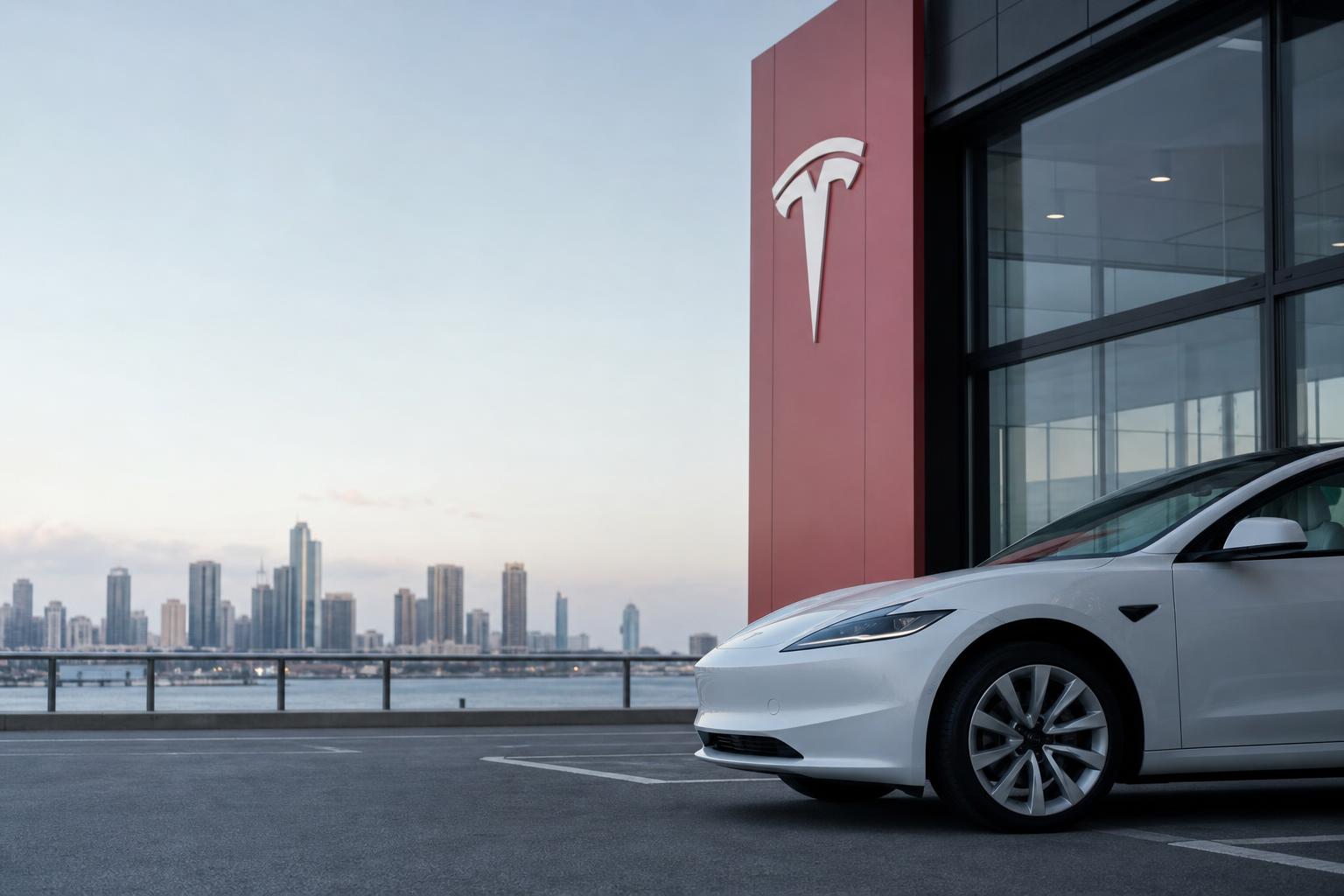
Delivery sites to rise to 11
U.S. electric vehicle maker Tesla will raise the number of its delivery sites in Japan to 11 from 7 in 2026. It will add one each in Yokohama and Kobe in August, and one each in the Kanto region and Nagoya by year-end. It will also increase the volume of imported vehicles it brings in to strengthen its supply system.
Tesla vehicles are delivered either at dedicated delivery centers or shipped to specified locations such as customers' homes. Showrooms are used for vehicle inspections and explanations, while contracts and purchases are handled online in principle. To keep costs down, it does not hand over cars at stores.
Sales surge on subsidies
The push to expand delivery sites reflects rising sales in Japan. Domestic sales in 2025 exceeded 10,000 units for the first time, well above the roughly 5,900 units it sold in 2022, which had been a record. In January to June 2026 alone, sales reached about 12,000 units, showing further momentum.
Sales were driven by Tesla's decision to stop selling premium models such as the Model S and focus on the mass-market Model 3 and Model Y. It also expanded its presence in shopping centers to widen customer contact points. Tailwinds also came from the government subsidy being raised in January to 1.27 million yen, close to the full 1.3 million yen, and from a three-year free fast-charging campaign for orders and deliveries through the end of June. Sales in June alone were about 4,000 units.
Ports and AI to boost supply
As demand concentrated, some confusion arose, including last-minute changes to delivery dates and pickup locations. Tesla says operations have now almost returned to normal. Ryoichi Hashimoto, president of Tesla's Japan unit, said the free charging campaign and other offers triggered rush demand and disrupted the supply balance. The delivery deadline for the campaign was extended to as late as the end of September for some models.
On the supply side, Tesla introduced in July an artificial intelligence agent that autonomously works through the process from order to delivery. It has been redesigned to improve efficiency by issuing instructions to each department based on customer information. It also expanded import unloading sites, beginning discharge at Mikawa Port in Toyohashi, Aichi Prefecture, in addition to Daikoku Pier in Yokohama. This lifted annual receiving capacity to about 48,000 units, double the previous level.
Mikawa Port lies between the Kanto and Kansai regions and is said to be Japan's largest automobile import port. It will make it easier to send vehicles to delivery sites in western Japan, and having multiple ports will also improve resilience to natural disasters and logistics disruptions.
Hashimoto said that in 2026 Tesla will focus on improving the quality of each store rather than rapidly increasing the number of showrooms. The share of EVs in Japan's new-car sales topped 3% for the first time in April-June. Domestic automakers such as Toyota Motor and import brands including BMW are also expanding their lineups, meaning Tesla will need to improve the customer experience, including delivery and service, as well as product appeal.
Enjoyed this article? Share it with your network!