





Global EV Average Price Falls Below Hybrids in 2025
 2026-08-07
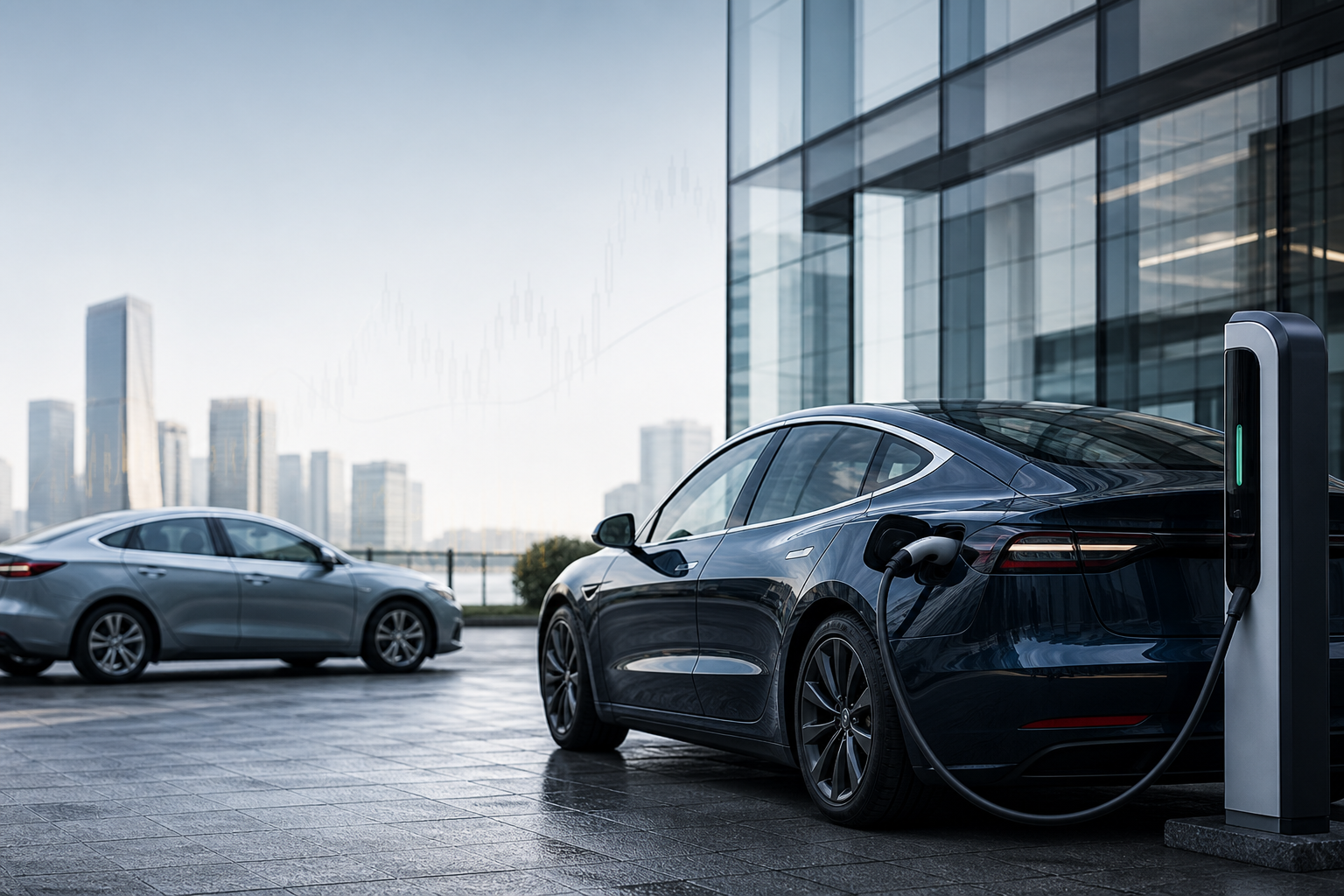
The average price of electric vehicles worldwide fell below that of hybrid vehicles in 2025. The decline reflects lower prices for key components such as batteries as EV adoption expands, while Chinese-made EVs have spread into emerging markets on the back of mass production. The trend is a headwind for Japanese automakers, which have strength in hybrids.
Narrowing price gap
Until now, EVs have faced a barrier to wider adoption because of high vehicle prices. In countries such as China and Norway, where EV prices are on par with or below those of gasoline cars, the shift has advanced rapidly, and the trend could spread to emerging markets.
The data were compiled from US research firm Mobility Global. Prices were weighted by sales volume based on suggested retail prices for new vehicles excluding subsidies.
The average price of EVs sold in 2025 was about $37,000, or about 5.9 million yen, 9% lower than in 2020. By contrast, hybrids averaged about $39,000, up 16%.
Batteries and Chinese players
The biggest factor behind lower EV prices was the decline in lithium-ion battery costs, which account for 30% to 40% of total costs. According to BloombergNEF, battery prices for passenger vehicles in 2025 were down 37% from 2020. Output has continued to rise in China, which holds an 80% share of the global market, and excess production capacity is pushing prices lower.
The use of lithium iron phosphate, or LFP, batteries, which do not use expensive cobalt, has also become more widespread. Their lower energy density had long been cited as a drawback, but performance has improved. Stellantis in Europe adopted LFP batteries in 2024 and launched an EV in Britain priced at roughly the same level as a hybrid. In 2025, Renault of France and Volkswagen of Germany also announced successive adoptions, helping to bring down vehicle prices.
Chinese automakers have also expanded overseas. Companies such as BYD have built vertically integrated models spanning batteries to vehicle bodies, strengthening cost competitiveness. They grew by tapping massive domestic demand in China, but are shifting their focus overseas as competition intensifies at home.
According to the China Association of Automobile Manufacturers, EV exports in 2025 surged to 1.64 million units from fewer than 1 million in 2020. In top export destinations such as Thailand and Mexico, lower prices have won over consumers. In Thailand, Chinese brands accounted for nearly 30% of new-car sales.
Pressure on Japanese automakers
On a regional average-price basis, EVs remain cheaper than hybrids in Southeast Asia and South America. Thailand is promoting the attraction of EV makers as part of efforts to foster new industries, and production transfers from China are also advancing, with BYD and Great Wall Motor building local plants.
Yoshiaki Kawano, associate director at Mobility Global, said Chinese companies have expanded market share by focusing on small EVs with high sales volumes, but are now broadening their product lineup to include larger vehicles and higher-priced models with better margins.
Japanese automakers have refined hybrid technology with strong fuel efficiency and captured global decarbonization demand. Until now they have differentiated themselves from EVs through lower upfront costs and longer driving range, but the inflow of low-cost EVs from Chinese rivals is forcing them to rethink strategy.
Toyota Motor is advancing its mult-pathway strategy, using multiple powertrains, and is expanding its EV lineup as well as hybrids to match regional consumer needs. Nissan Motor has also begun exporting EVs produced in China overseas, following Chinese automakers. It has positioned China as its second export hub after Japan and aims to export 300,000 vehicles a year in the future. It will start by shipping models including the N7 sedan EV, launched in China in April 2025, to Southeast Asia and South America.
EV sales have risen sharply in fiscal 2026 as higher gasoline prices linked to worsening conditions in the Middle East have boosted demand. The International Energy Agency expects EVs and plug-in hybrid vehicles to account for 30% of global new-car sales in 2026. EV prices are expected to keep falling for now, leaving automakers with the challenge of launching compelling products that avoid becoming trapped in price competition.
Enjoyed this article? Share it with your network!