





US tech giants' tangible assets more than double in 3 years
 2026-08-06
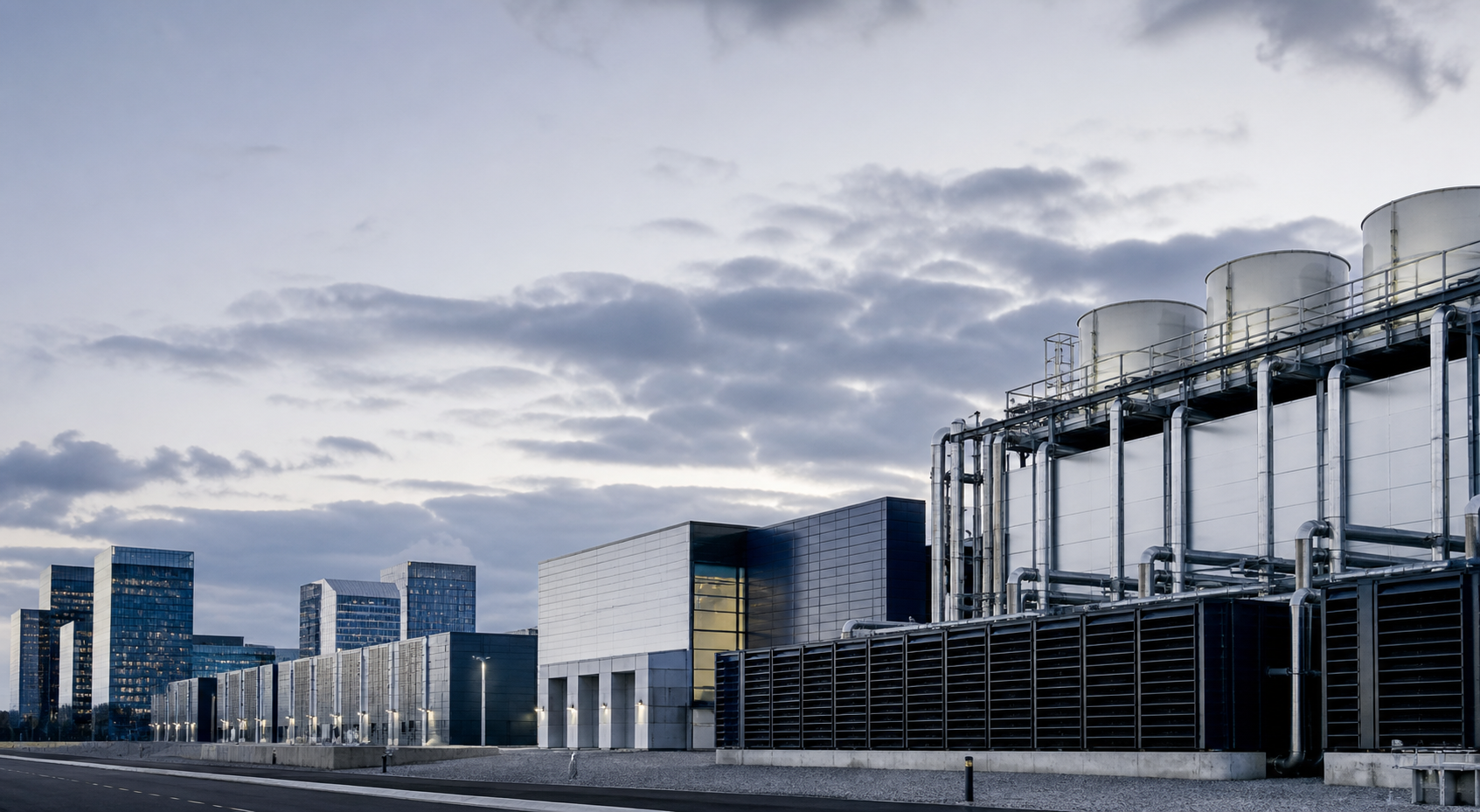
The four major U.S. tech companies held a combined $1.46 trillion in tangible fixed assets at the end of June, 2.4 times the level three years earlier. Led by Amazon.com, investment for artificial intelligence has expanded, transforming the companies from asset-light software firms into giant infrastructure operators.
Data center spending surges
The combined tangible fixed assets of Amazon, Alphabet, Microsoft and Meta rose 48% from a year earlier. In Quick FactSet data ranking global companies excluding financial firms, all four were in the top seven. Amazon, in first place, held $538.7 billion in such assets, doubling over three years and exceeding Saudi Aramco, the Saudi state oil company that had been the world's largest through the previous year, by $100 billion.
Alphabet, in third place, and Microsoft, in fourth, also rose into the $330 billion range, overtaking U.S. Exxon Mobil and China's PetroChina in a year. Meta, ranked seventh, had tangible assets 2.2 times those of Toyota Motor, Japan's largest company.
The sharp rise in tangible assets reflects the expansion of data centers essential for developing and running AI. At Alphabet, more than 70% of tangible assets are accounted for by 'technical infrastructure' such as servers, network equipment, and land and buildings for facilities.
Future burdens also grow
The four companies are racing to expand their own data centers. Their planned capital spending for 2026 is as much as $760 billion, up 85% from the previous year and on a scale comparable to Japan's national budget.
The investment buildout could continue. According to disclosure documents, liabilities not yet recorded on balance sheets, including equipment under long-term purchase agreements and lease contracts not yet started, totaled $2.3 trillion at the end of June, 4.3 times a year earlier. Many of these liabilities will likely become future tangible assets, with Alphabet in particular up ninefold in a year and Meta eightfold.
Tech companies have traditionally excelled at asset-light management, expanding usage without massive capital spending and generating high profits based on software created by highly skilled talent. But the spread of AI, which requires vast computing resources, has changed the environment. The companies are adding data centers around the world and becoming giant infrastructure firms with equipment scales that surpass major players in oil, telecommunications and manufacturing.
AI demand is expanding for now, while supply of computing resources remains insufficient. Once data centers are up and running, they can generate significant cash, but the larger the tangible asset base becomes, the heavier the depreciation burden. Depreciation expense for the four companies, based on their April-June cash flow statements, totaled $44.5 billion, already nearly one-third of their operating profit. Meta, which posted its first operating profit decline in three years, cited higher depreciation as a factor.
Adding together market forecasts, depreciation expense for the four companies is expected to double from 2026 to $360 billion a year in 2028. The useful life of servers is only about five years, so the impact on quarterly results is large. Unless data center investment translates into earnings, it could become a drag on future performance.
Enjoyed this article? Share it with your network!