





U.S. Treasury chief cites Asian spillover risk in yen intervention
 2026-08-04
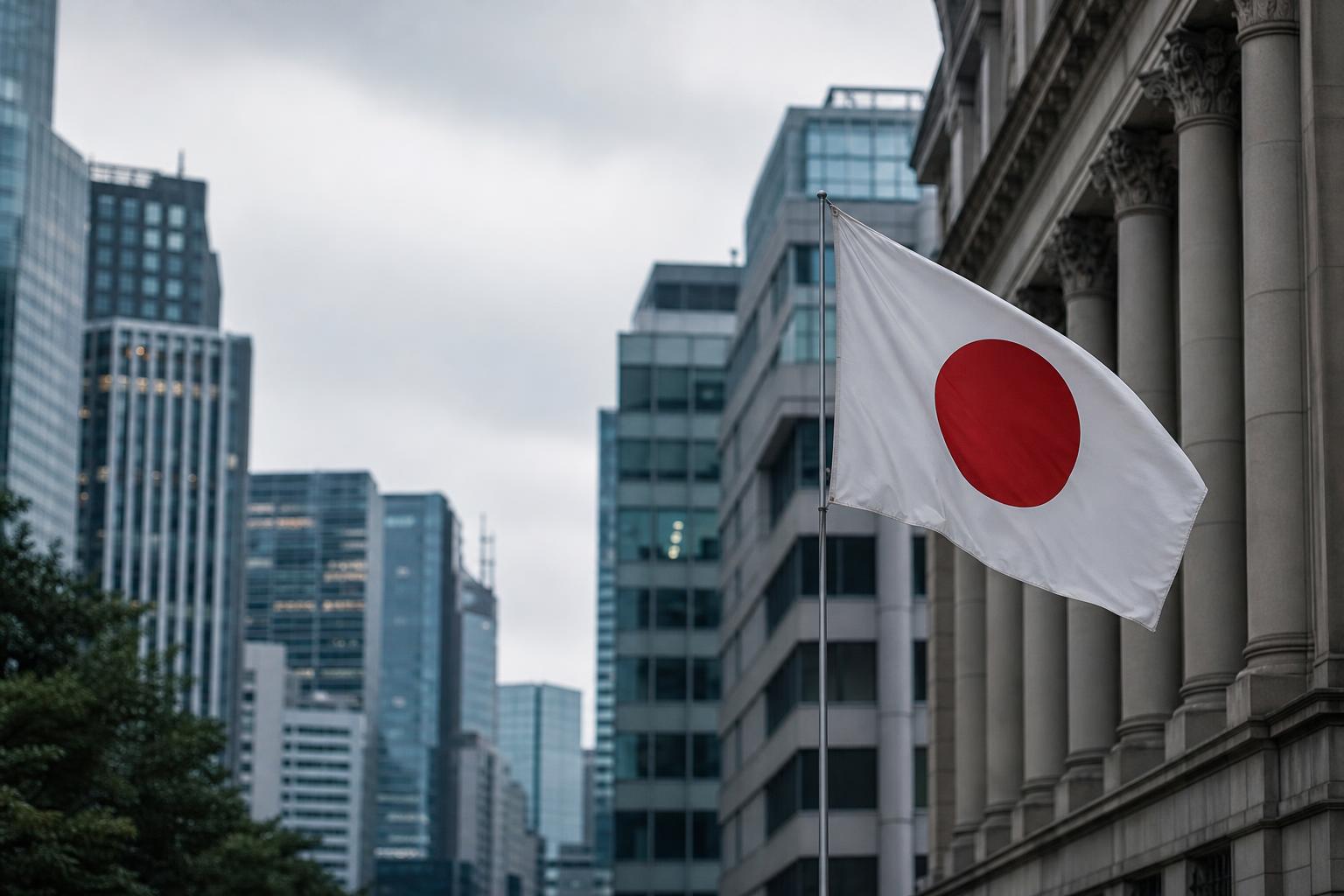
Fear of a yen selloff spreading
U.S. Treasury Secretary Scott Bessent said in a solo interview with Nikkei on the 4th that the decision to intervene jointly in support of the yen was driven by concern that currency selling could spread across Asia. Within the U.S. administration, there are also concerns about higher Japanese interest rates and calls for fiscal stability.
This was the second time Bessent has granted a solo interview to Nikkei, since Japan and the United States reached a tariff agreement in August 2025. In his office at the Treasury Department, he explained the thinking behind the joint intervention carried out since July 30.
Explaining why the yen was bought, Bessent said, 'Many Asian currencies move with the yen. The Asian currency crisis in the 1990s was triggered by a sharp weakening of the yen.' He was referring to concern that pressure to sell the yen could spread to other Asian currencies. In the late 1990s, the yen fell by 30 to the dollar in a year, worsening currency crises in Thailand and Malaysia. Bessent also pointed to current conditions, saying, 'Because the yen is weak, the Korean won is also weak, and China is reluctant to allow the renminbi to appreciate.'
From Abenomics to Takaichi-nomics
Bessent said economic reforms since the Abe administration included reflationary policies and corporate reforms aimed at raising returns on capital, while also producing a primary budget surplus. He added, 'Fifteen years of stimulus have built a durable and solid economic foundation. The Abenomics phase is over, and it is time for Takaichi-nomics.' As prolonged large-scale monetary easing has been one factor behind yen weakness, the remarks are seen as urging Japan to shift away from low interest rate policy.
Caution over tax cuts inside the U.S. administration
Markets have already priced in an early rate hike by the Bank of Japan. Bessent stopped short of directly calling for higher rates, but said, 'I have known Governor Kazuo Ueda for 15 years, and he has a very sharp feel for the market, which I trust deeply.'
Prime Minister Takaichi plans to implement a tax cut that would lower the consumption tax rate on food from 8% to 1%. Market concerns over Japan's fiscal position have been one factor behind rising long-term yields. A senior U.S. official familiar with the details of the joint intervention said, 'The decision should be made by the Takaichi administration, but there are two choices: accept tax cuts, or work to lower inflation. I would choose the latter.' He also noted that Japan relies heavily on imports such as energy and that 'a weak yen accelerates inflation.'
Dollar-selling intervention remains an option
Asked about the future of the joint Japan-U.S. intervention, the senior U.S. official said, 'We are not ruling out any options, including dollar-selling intervention.' On why the coordinated intervention used yen buying and euro selling, he said it was done to avoid raising doubts about the United States' strong-dollar policy.
Japan's senior currency diplomat, Atsushi Mimura, described the intervention process as 'the final form of a Japan-U.S. currency alliance.' Regarding expanding the framework of countries participating in intervention, the senior U.S. official said, 'I think some of the Group of Seven countries would show willingness to do so.'
Enjoyed this article? Share it with your network!