





U.S., Japan carried out coordinated yen buying to curb slide
 2026-08-03
Coordinated intervention announced
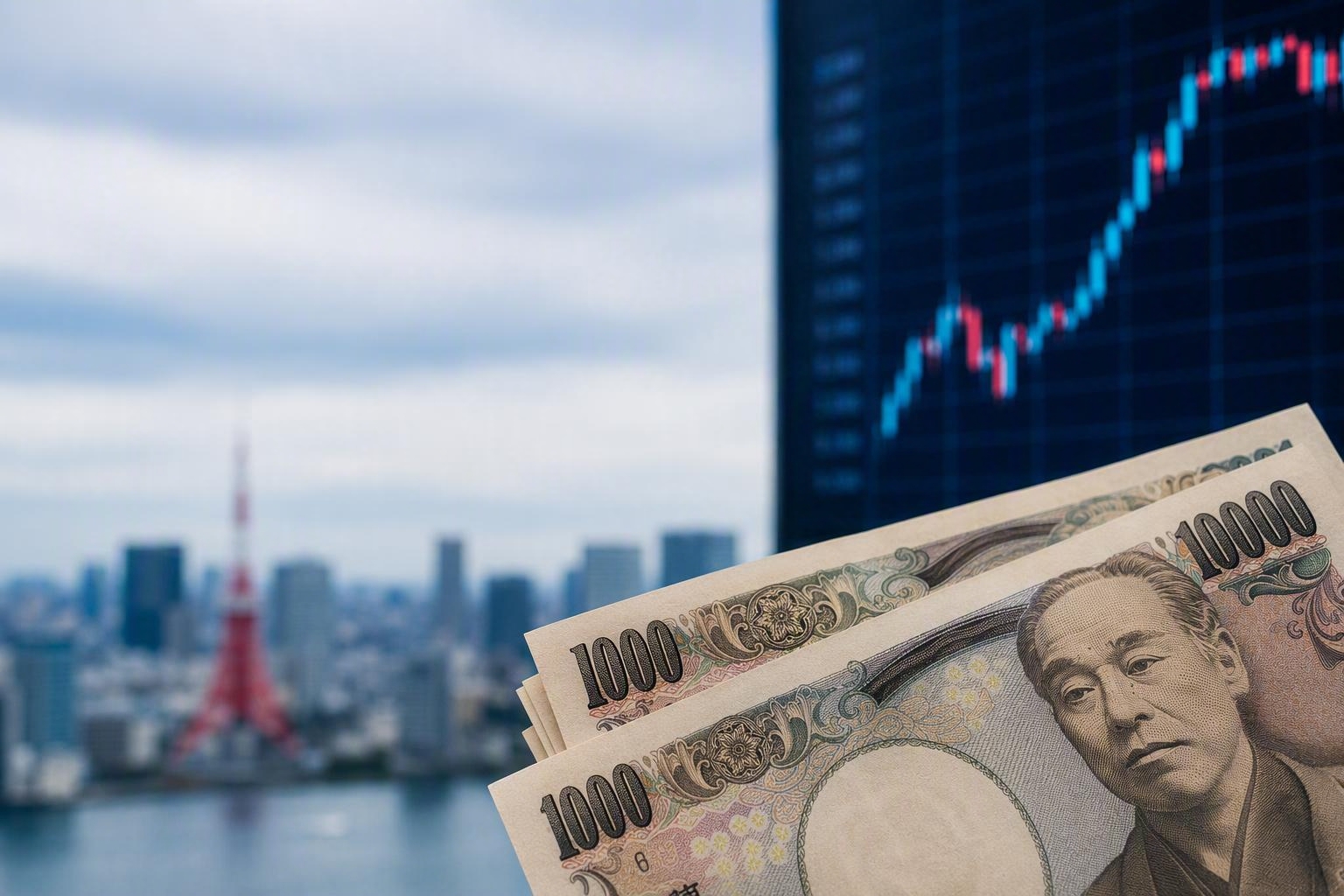
The U.S. and Japanese governments said on the 3rd that they had carried out coordinated yen-buying intervention in the foreign exchange market on July 31. They took the unusual step to prevent the yen from weakening to around a 40-year low against the dollar. The backdrop was concern over a Japan selloff, with the currency and bonds falling at the same time, as well as rising U.S. Treasury yields.
Yen hits highest level since May
Finance Minister Satsuki Katayama said in a statement on the morning of the 3rd Japan time that Japan had conducted yen-buying intervention in coordination with the U.S. Treasury on July 31 Eastern time. U.S. Treasury Secretary Bessent also posted on X, formerly Twitter, on the night of the 2nd local time, signaling that he would not hesitate to take part in further coordinated intervention.
In Tokyo trading on the 3rd, the yen at one point surged to the 155.20s against the dollar. That was its strongest level against the dollar since early May, and the market widely viewed the move as evidence that yen-buying intervention had continued on the same day. In late July, the yen had fallen to the upper 163-yen range, meaning the exchange rate moved about 8 yen in the yen's favor after intervention from the 30th onward.
Impact on Japan selloff and U.S. rates
Coordinated intervention by Japan and the U.S. is extremely unusual except during financial crises or disasters, and this was the first such move in 15 years since shortly after the 2011 Great East Japan Earthquake. As a coordinated yen-buying operation, it dates back to 1998, when the yen weakened after failures at Japanese financial institutions and other shocks.
The intervention was prompted by a Japan selloff in which the currency and bonds fell at the same time. Speculation over the draft of the Takaiichi administration's Basic Policy on Economic and Fiscal Management and Reform also pushed the long-term yield briefly to 2.9%, its highest in about 30 years. Concern over the government's fiscal discipline triggered bond selling.
In the U.S. as well, the 30-year Treasury yield briefly rose into the 5.2% range recently, its highest level in about 19 years. In addition to expanding fiscal spending, uncertainty was growing over the Federal Reserve's resolve to contain inflation. If the yen weakens further, demand from Japanese institutional investors holding U.S. Treasuries could cool, and higher Japanese yields could also reduce the incentive to buy U.S. government bonds. A weaker yen and higher Japanese yields carry the risk of pushing up U.S. interest rates.
Care taken over the intervention method
In line with Japan's dollar-selling and yen-buying operation, the U.S. side sold euros and bought yen. The yen purchases are believed to have been financed by euro sales, possibly avoiding an impact on the U.S. bond market. It also prevented the move from being seen as intervention to sell its own currency.
Japan's Finance Ministry also said it plans to use a Federal Reserve framework under which dollar funding is raised from U.S. monetary authorities with U.S. Treasuries as collateral when it comes to financing future intervention. The aim appears to be to secure a way to continue foreign exchange intervention without selling U.S. Treasuries in the market. U.S. officials believe coordinated intervention alone would make it hard to reverse the yen's weakness, and as they see the Bank of Japan's slow rate hikes as a factor behind the weak currency, they could step up pressure to raise Japan's policy rate in the future.
Enjoyed this article? Share it with your network!