





Tokyo stocks fall on surging yen, exporters hit
 2026-08-03
Nikkei falls as stronger yen fuels caution
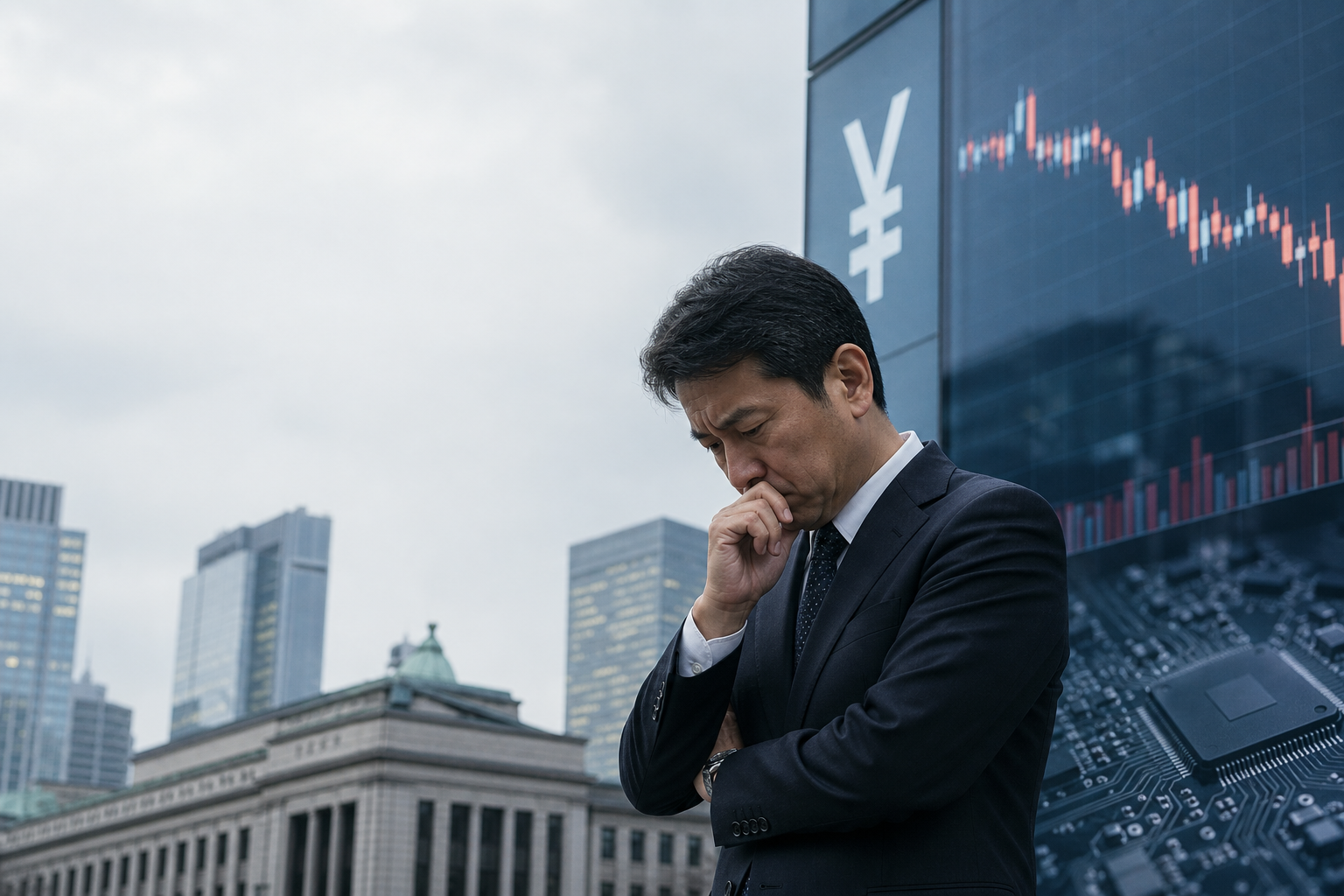
The Nikkei Stock Average fell in Tokyo trading on the 3rd, closing 607.12 points, or 0.94%, lower than the previous week’s close at 63,754.90. Selling spread as investors grew wary of further yen strength and dollar weakness after the Japanese and U.S. governments stepped in with coordinated intervention on July 31, while the rebound in AI and semiconductor shares also paused for the time being.
Exporters fall on sharp yen rise
In Tokyo foreign exchange trading on Monday, August 3, the yen surged, briefly touching the low 155 yen range against the dollar, its strongest level since early May. The Nikkei was about 500 yen lower than the previous week’s close shortly after the open, but at one point its losses widened to more than 1,600 yen as the yen strengthened further.
Profit-taking and earnings reassessment
Joint yen-buying intervention by Japan and the U.S. was the first in 28 years since the financial crisis in 1998, and Masahiro Yamaguchi, head of investment research at SMBC Trust Bank, views it as an extraordinary event. Sharp moves in foreign exchange have a major impact on the stock market and are now being watched as a new theme, he said.
On the day, selling spread to names vulnerable to currency swings, led by automakers. Toyota Motor fell as much as 6% and Honda dropped 5%, while the automobile subindex in the Nikkei industry breakdown was down 4%. Reiko Sera, senior managing director at Sumitomo Mitsui Trust Bank, said the move reflected momentary position adjustments triggered by the correction in the yen’s weakness.
Daiki Takei, strategist at Resona Holdings, said a 1 yen move in the yen’s favor against the dollar typically trims corporate earnings by about 0.7%. The surprise coordinated intervention forced investors to reassess profit outlooks.
Sharp Fanuc drop weighs
Concerns over procurement and supply shortages also resurfaced. Another factor that cooled investor sentiment that day was the sharp fall in Fanuc shares. The stock was sold down as much as 19%, hitting a four-month low.
On July 31, Fanuc raised its forecast for consolidated net profit for the year ending March 2027 to a 19% increase from the previous year, up from its earlier estimate of 11%, but results for the April-June quarter fell short of market expectations. Demand for AI-related capital investment remains strong and orders are building, but analysts say revenue growth has been lackluster because of difficulties in procuring parts and other factors.
Kazuyoshi Saito, senior analyst at IwaiCosmo Securities, said shortages of electrical and electronic components are constraining production, and concerns are emerging that AI demand cannot be captured as much as expected.
Buying still appears
Still, the market was not uniformly pessimistic. Kioxia Holdings, which announced strong earnings on the previous trading day, rose sharply, and buying also appeared in some AI and semiconductor names. Stocks that tend to benefit from a stronger yen, including Kobe Bussan and Nitori Holdings, also advanced, and about 30% of Tokyo Prime-listed shares gained.
However, Sera said that if the yen continues to trade around the mid-155-yen level against the dollar, exporters in particular face downside risk. For the time being, she said, a nervous market focused on foreign exchange moves may continue.
Takei said funds could shift into non-tech stocks with earnings that inspire confidence based on results, leaving the broader market with limited upside.
Enjoyed this article? Share it with your network!