





U.S. and Japanese authorities intervene together to curb yen weakness, but staying power is limited
 2026-08-03
Positioning of the coordinated intervention
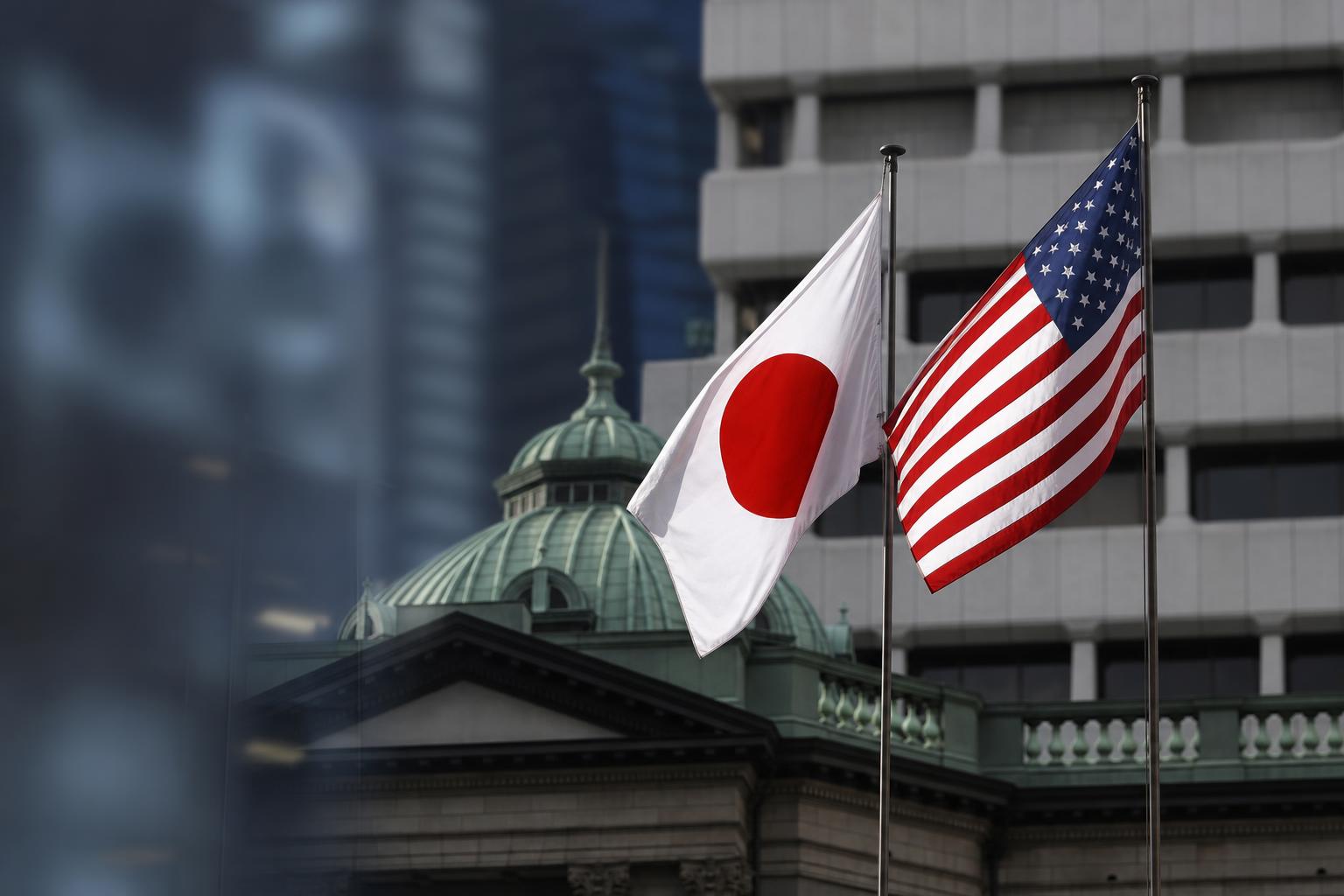
The backdrop to the unusual joint intervention by the Japanese and U.S. governments is a loss of confidence in the yen that has fallen to historic lows. Expansionary fiscal management, coupled with worries over higher bond issuance, and the Bank of Japan's slow pace of rate hikes have driven a structural weakening of the currency. Market watchers broadly believe that even if intervention can briefly halt the trend, its effect is unlikely to last.
On the morning of the 3rd, Finance Ministry Vice Minister Atsushi Mimura, who handled the preparations behind the scenes, told reporters about the intervention that he viewed it as 'the completed form of a Japan-U.S. currency alliance.' Until now, coordinated intervention had been reserved for emergencies such as major earthquakes and financial crises, but according to people familiar with the matter, the remarks carried the message that authorities are prepared to act at any time and that the standard has changed. The stronger-than-usual messaging from the Japanese and U.S. currency authorities also reflects the depth of concern over the yen's weakening fundamentals.
Effect of intervention and market views
In September 2022, the government and the BOJ stepped into the market to buy yen for the first time since 1998, pushing the currency back temporarily from levels near 146 to the dollar to the 140 range. Even so, despite repeated interventions after that, the yen's downward trend did not stop, and in late July this year it fell to levels approaching 164 to the dollar.
In the case of the yen-buying intervention on July 31, market participants have said the size was about 5 trillion yen. That estimate is based on the BOJ's August 3 projection for current account balances on the 4th, and it suggests intervention was carried out on consecutive days starting July 30. The market view is dominant that intervention was also conducted on August 3.
There is also strong sentiment in the market that this coordinated intervention is 'nothing more than buying time.' Behind that view are concerns about deteriorating public finances linked to the Takai-chi administration's 'responsible proactive fiscal policy,' as well as the slow pace of BOJ rate increases, both cited as root causes of yen weakness.
Washington's focus and pressure on the BOJ
In a post on X announcing the coordinated intervention, U.S. Treasury Secretary Scott Bessent referred to 'monetary measures to correct the yen's significant undervaluation.' It is clear the remarks were aimed at the BOJ's monetary policy. On the economic management of the Takai-chi administration, he said that more than 15 years of economic stimulus since Abenomics had strengthened the economy's foundations and that it was 'moving to a new stage.'
Finance Minister Satsuki Katayama said only that 'the top leaders are discussing various things' when asked about Bessent's comments on monetary policy, and declined to provide details. A senior Finance Ministry official explained that 'the United States is asking Japan to shift the fundamentals in a way that does not lead to structural yen selling.'
Shortly after the BOJ decided at its July 31 policy meeting to keep the policy rate unchanged, Bessent posted on X that he was 'looking forward to meeting BOJ Governor Kazuo Ueda at the G20 finance ministers and central bank governors' meeting at the end of August.'
Rate-hike expectations in focus
Yujiro Goto, chief FX strategist at Nomura Securities, said he is watching 'how strongly the United States will push the BOJ to accelerate the pace of rate hikes.' Teppei Ino, chief analyst at Mitsubishi UFJ Bank, said the odds of the September rate-hike scenario he had originally expected are 'becoming higher.'
Enjoyed this article? Share it with your network!