





Prolonged Iran tensions boost US oil and defense giants
 2026-08-01
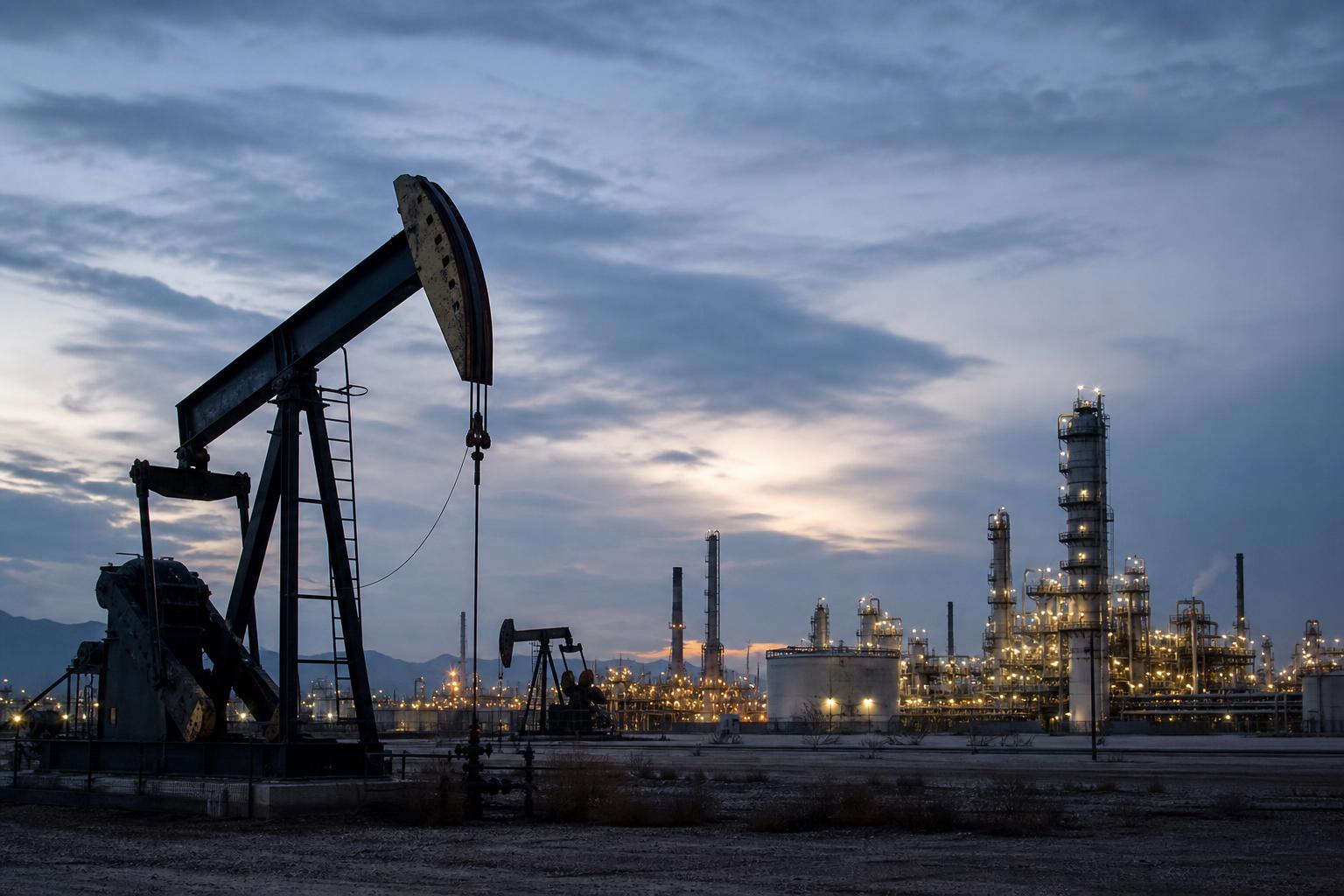
US oil and defense companies are increasing earnings as tensions surrounding Iran persist. Exxon Mobil and Chevron more than doubled to nearly five times their net profit in the April-June 2026 quarter from a year earlier, while Lockheed Martin's backlog of orders reached a record high.
Tailwind for oil majors
Exxon's net profit in the April-June quarter was $14.525 billion, double the year-earlier period, while Chevron's rose 4.8 times to $12.072 billion, helped by acquisitions. Higher crude prices, driven by restricted navigation through the Strait of Hormuz, boosted results.
Exxon Chief Executive Darren Woods said at an earnings briefing that production in the Permian Basin in the US South 'set a new production record'. Both companies have produced in regions including the Middle East, but in recent years they have had greater exposure to the US, limiting the impact of lower output in the Middle East. The US has become the world's largest oil producer after the shale revolution.
As the struggle over key energy routes continues, importers including Japan have increased purchases of US crude as an alternative to Middle Eastern supply. US crude exports hit a record 5.73 million barrels a day in May. Higher crude output has also rippled through the wider US energy industry, including refining and retail, lifting Valero Energy's April-June net profit to $3.7 billion, five times a year earlier.
Spillover into defense and chemicals
In petrochemicals, Dow's April-June net profit came to $802 million, returning to profit after two straight quarters of net losses. The gain was helped by polyethylene prices for feedstock that 'surged in all regions'.
Geopolitical risk is also supporting the defense industry. In addition to the continuation of military operations in Iran, the prolonged war in Ukraine has led countries to increase defense spending, swelling orders for major US defense contractors. Lockheed's backlog as of the end of June stood at a record $230 billion, helped by a $35 billion contract to quadruple annual production of the Terminal High Altitude Area Defense system, or THAAD. RTX, formerly Raytheon Technologies, and Northrop Grumman have also built backlogs above $100 billion.
The US defense industry faces labor shortages that constrain production growth, but companies are continuing to invest on the back of large long-term contracts. GM Chief Executive Mary Barra said revenue at the defense business is expected to grow at more than 30% annually. Ford Motor has also won a contract to supply vehicles for the Army.
Impact on finance and consumers
The US financial industry is also finding opportunities as market volatility expands. Stock-market volatility has risen on Iran tensions and swings in crude prices, while higher trading activity has lifted fee income. Along with the AI boom and speculation over a SpaceX initial public offering, the six major US banks, JPMorgan Chase, Bank of America, Goldman Sachs, Citigroup, Morgan Stanley and Wells Fargo, also posted higher final earnings.
Meanwhile, the US-Iran military confrontation is pushing up prices in Japan through a shortage of naphtha, making materials and everyday goods more expensive. In the US, higher gasoline prices are also intensifying inflation pressure, increasing the burden on households and companies.
Enjoyed this article? Share it with your network!