





U.S. Treasury warns in advance of yen-buying intervention, keeps pressure on BoJ
 2026-08-01
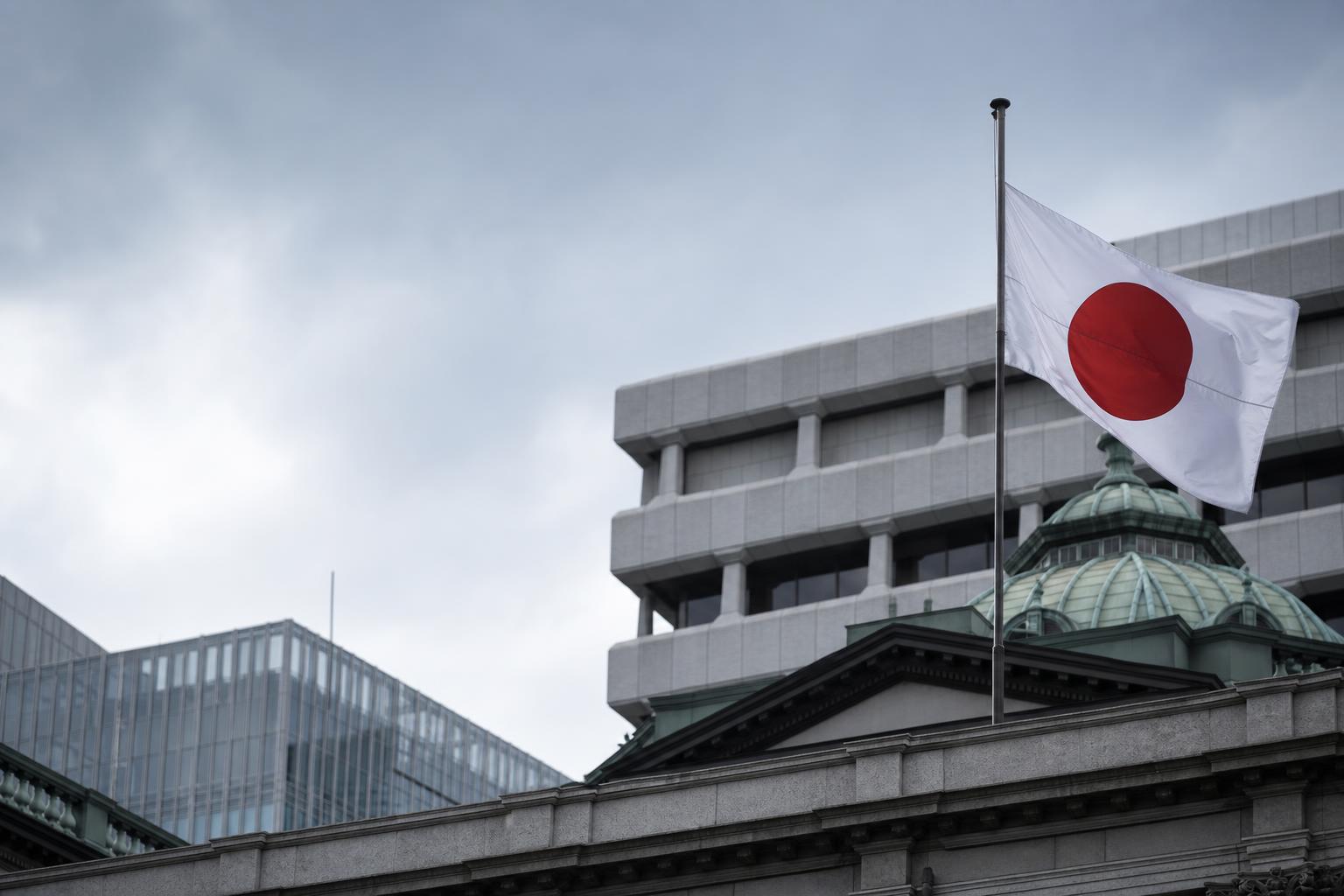
U.S. Treasury gives advance notice of yen-buying intervention
On July 31, the U.S. Treasury informed several banks through the Federal Reserve Bank of New York of the possibility of yen-buying intervention. Giving advance notice of intervention is highly unusual, and the aim was to curb speculative yen selling in the market. As announced, the government and the Bank of Japan moved later that afternoon to intervene for the second straight day, and the yen rose by nearly 2 yen against the dollar.
Bessent's backing marks a second time
The move was led by U.S. Treasury Secretary Scott Bessent. He has more than 40 years of experience in the financial business and is known as a hedge fund manager in bonds and currencies. This is the second time he has used his market expertise to support Japan's yen-buying intervention. During the yen's decline in late January, the U.S. authorities conducted rate checks on the dollar-yen pair, partly because of the policy vacuum after the lower house election. U.S. officials said at the time that coordinated yen-buying intervention since 1998 had also been under consideration.
U.S. authorities also keep a close eye on Japan's monetary and fiscal policy, reflecting concern that selling Japan across currencies and bonds could trigger selling of U.S. Treasuries. Citigroup warned in January that a rise in yen interest rates could lead to as much as $130 billion in sales of U.S. Treasuries, or about 20 trillion yen. Japan is the largest foreign holder of U.S. Treasuries. Its holdings in May stood at $1.1143 trillion, down $66.7 billion from the previous month, the biggest decline by country.
Curbing yen weakness and pressuring the BoJ
To avoid a chain reaction of selling Japan and selling U.S. Treasuries, curbing yen weakness is seen as the shortest route. If the yen weakens further, concerns about a rise in surrenders of Japan's foreign-currency-denominated insurance policies would ease, and lower currency hedging costs could also help restrain sales of foreign bonds by institutional investors.
Bessent does not believe yen-buying intervention alone will stop selling Japan. On the morning of July 31, he posted on X, formerly Twitter, that he was looking forward to meeting Bank of Japan Governor Kazuo Ueda at the Group of 20 finance ministers and central bank governors meeting at the end of August. He has indicated that the BoJ's delay in raising rates is the main cause of yen weakness, increasing pressure on the central bank ahead of its September policy meeting.
Concerns over Prime Minister Takaichi and a Truss shock
U.S. officials have privately conveyed to Japanese counterparts concerns that Prime Minister Takaichi may not become another British Prime Minister Liz Truss in 2022. They are wary of a repeat of the Truss shock, when large tax cuts drove yields sharply higher. They are also uneasy about the Takaichi administration's aggressive fiscal policy stance.
In 2013, during his Soros Fund Management days, Bessent made more than $1 billion in profit from a yen-selling market. He reportedly expected the trade deficit to widen after the Great East Japan Earthquake and anticipated prolonged monetary easing under Abenomics. He is also one of the people who know best the structural weakness of the Japanese yen. According to people in Japan's financial sector, he is asking Japan to move ahead quickly with $550 billion in investment and lending to the United States. The support for Japan is not free, and he is urging Japan to back the Trump administration with the same intensity.
Enjoyed this article? Share it with your network!