





Bank of Japan holds rates at 1.0%, watches Middle East and FX moves
 2026-07-31
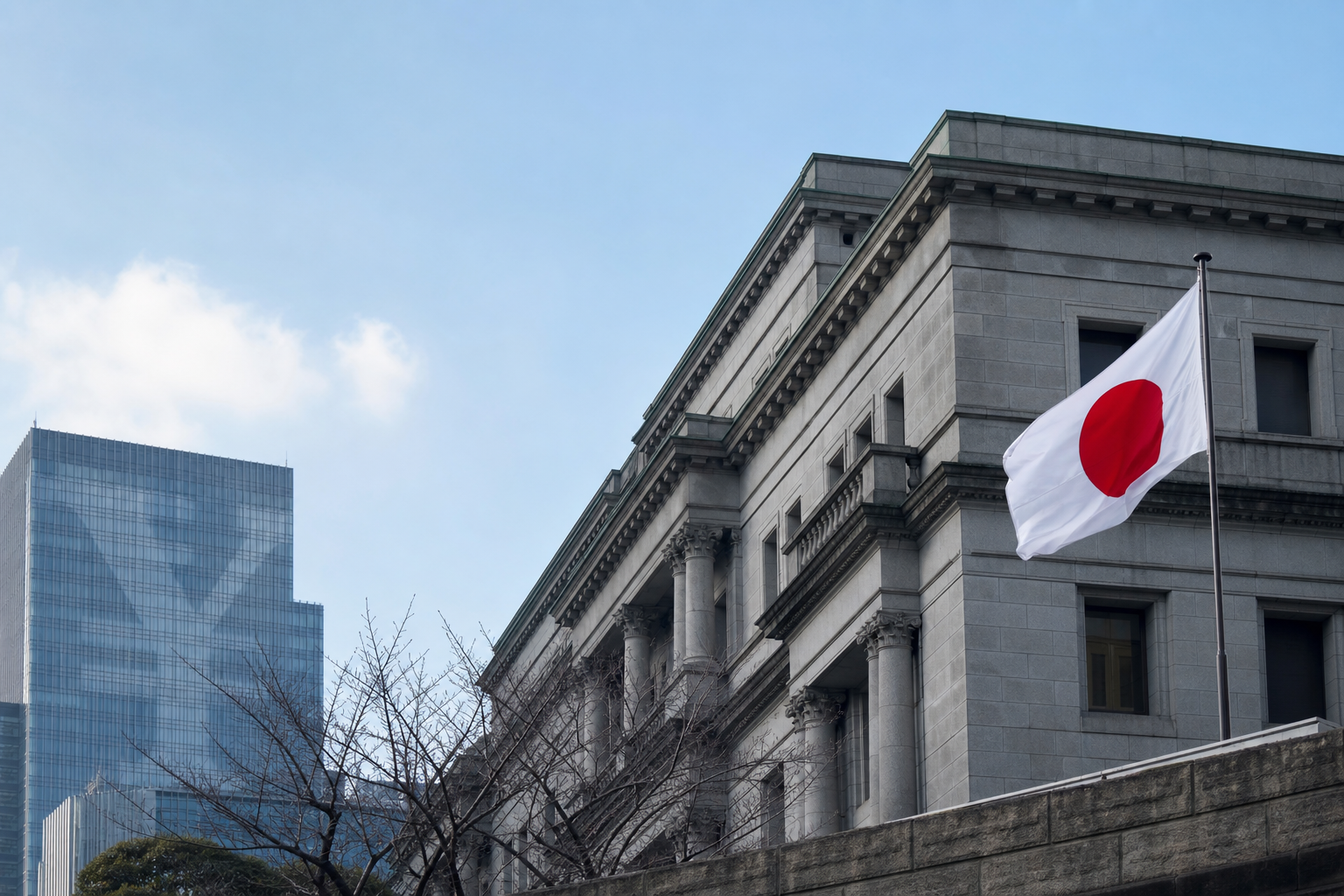
Rate-hike path maintained
At its July 31 monetary policy meeting, the Bank of Japan decided to leave its policy rate target for the uncollateralized overnight call rate unchanged at 1.0%. It had raised rates at its previous meeting in June on the back of heightened tensions in the Middle East and higher crude oil prices, and this time it will assess the impact on the economy and prices.
As factors in deciding on additional rate hikes, it cited the impact on the economy and prices of trends in foreign exchange markets, where the yen has remained weak and the dollar strong, in addition to the situation in the Middle East. Governor Kazuo Ueda will hold a news conference on the afternoon of July 31 to explain the decision.
The hold was decided by a majority of 8 of the 9 policy board members. Board member Hajime Takata proposed raising rates to 1.25%, saying Japan had entered a new phase requiring agile action in light of upside risks to inflation from overseas, but the proposal was rejected by a majority against it.
Forecasts revised in outlook report
The bank also released its quarterly Outlook for Economic Activity and Prices. It set the median forecast for real gross domestic product growth in fiscal 2026 at 0.6%, up 0.1 percentage point from the previous forecast made in April. It also raised the fiscal 2027 forecast by 0.1 point to 0.8%. It expects firm global demand for artificial intelligence and government economic measures to support the economy.
In its April outlook report, the bank had pointed to the risk that heightened tensions in the Middle East could cause major disruptions in supply chains. This time, it said the risk had decreased, noting that alternative procurement of raw materials heavily dependent on the Middle East was progressing.
On prices, it cut its forecast for the year-on-year rise in the consumer price index excluding fresh food to 2.5% for fiscal 2026, down 0.3 percentage point from the previous projection. It factored in government extensions of subsidies for electricity and gas bills. For fiscal 2027, when the effects of such policies are expected to fade, it raised the forecast by 0.1 point to 2.4%.
Wary of upside price risks
The corporate goods price index, which shows price trends for goods traded between companies, rose 7.1% in June from a year earlier. The outlook report said companies are increasingly passing on costs and that this is likely to spread to price increases across a broad range of items at the consumer level.
It also referred to an increase in medium- to long-term expected inflation and emphasized that underlying inflation excluding temporary factors could rise beyond the 2% price stability target. Regarding growing demand related to AI, it said price pressures could intensify further if demand for materials, components and other items rises more than expected. On the impact of a weak yen, it said the sharp rise in import prices of late is likely to push up prices across a broad range of items, including durable goods.
The BOJ said its assessment remains that current financial conditions are accommodative even after past rate hikes, and it kept its language that, in pursuit of price stability, it will continue to raise the policy rate and adjust the degree of monetary easing. It said if underlying inflation rises above the 2% target, it would have a negative impact on the economy, and argued that rate hikes must continue to prevent such an outcome.
In items to check when considering the timing and pace of rate hikes, it newly added 'expanding demand related to AI' and 'the impact of exchange-rate fluctuations' to the existing factor of Middle East developments. Ueda was hospitalized in June for treatment of an infectious disease and missed that month's policy meeting. It was the first time a BOJ governor in office had missed a regularly scheduled policy meeting. He was later discharged and took part this time from the first day of discussions on July 30.
Enjoyed this article? Share it with your network!