




Fed Holds Rates for Fifth Straight Meeting, Three Presidents Call for Hike
 2026-07-30
Three Presidents Call for 0.25% Hike
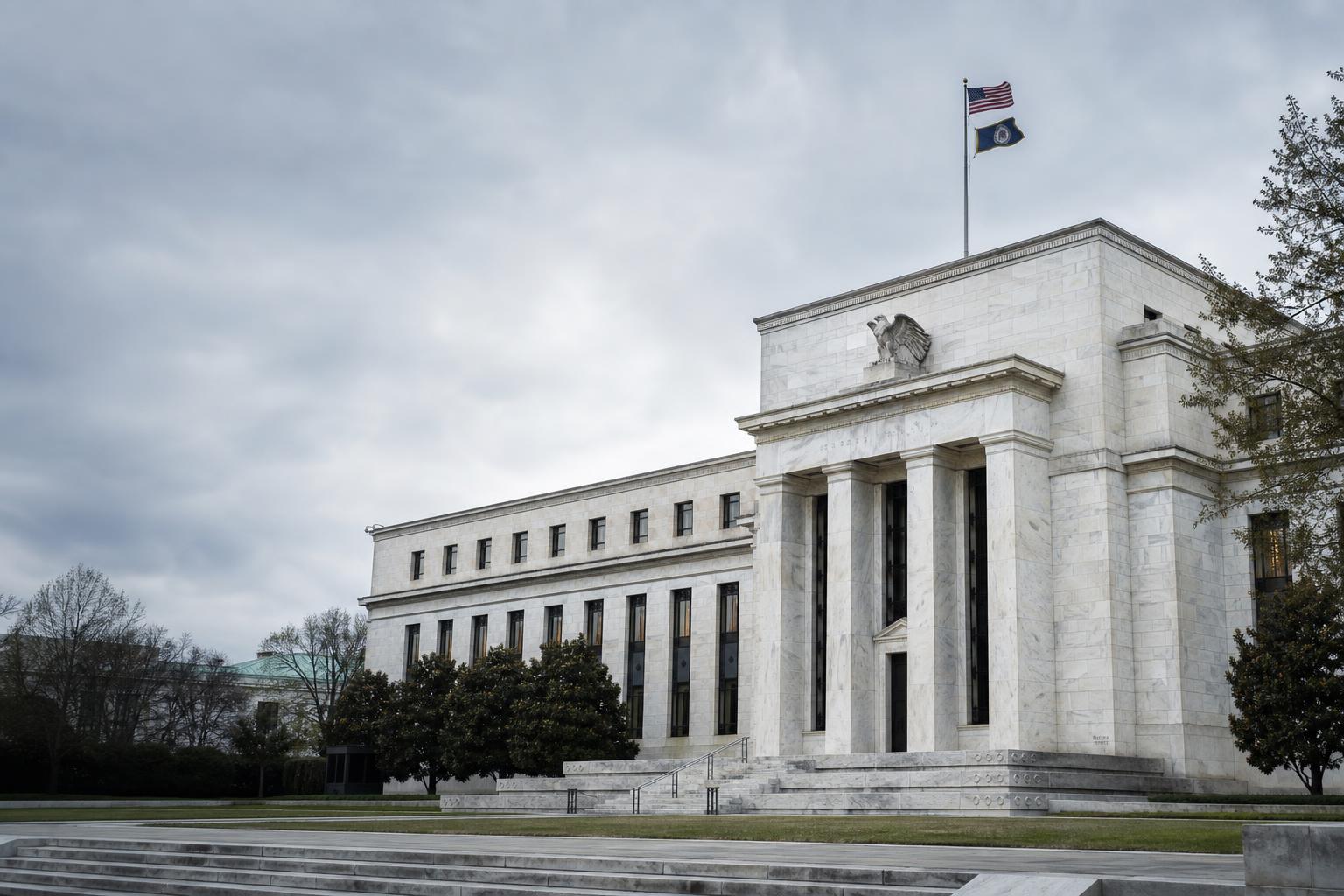
The U.S. Federal Reserve held its policy rate steady at the Federal Open Market Committee (FOMC) meeting on the 29th. The decision passed by a 9-3 vote, marking a fifth straight meeting without a change. It was the first time since September 2016 that three FOMC participants voted against a decision to seek the same policy move.
Hawkish Bias on Inflation
The dissenters were Cleveland Fed President Hammack, Minneapolis Fed President Kashkari and Dallas Fed President Logan, all of whom called for a 0.25% rate increase. At the April meeting, the three also opposed keeping language in the statement that hinted at future monetary easing.
At a press conference, Chair Warsh, who led the decision to hold rates steady, again signaled his determination to curb inflation. He said the Fed would not hesitate to act if necessary and appropriate to return price growth to its 2% target. He stopped short of specifying concrete measures, saying that if inflation remains elevated, rate increases could be part of the solution, but not the only tool.
As an alternative, the chair said the Fed should send a clearer message that it remains committed to its 2% target. In the University of Michigan consumer survey, five-year inflation expectations stood at 3.3% in July. After rising to 3.9% in May, they returned to levels seen before the military conflict between the United States and Iran. Warsh also said there had been progress in stabilizing inflation expectations.
Markets Scale Back Hike Bets
Warsh also said nominal and real interest rates had risen on the back of inflation readings and the strong economy. Even without an actual rate hike, higher market rates can cool the economy and put downward pressure on prices. After the press conference, financial markets took the view that he was less inclined to raise rates than expected, and expectations for a hike at the next September meeting faded.
Meanwhile, the yield on 30-year Treasury bonds jumped sharply and briefly touched its highest level in 19 years. Investors focused on so-called 'behind-the-curve' concerns that a delay in responding to inflation could lead to a rapid series of future rate hikes. After moving too slowly to start raising rates in 2022, the Fed was forced into aggressive tightening, which weighed on stock prices.
Within the Fed, support could grow for the three officials who called for a rate hike at the July meeting. In a speech on the 13th, Governor Waller said action would be needed to address actual price increases even if inflation expectations remain stable. Governor Cook also said on the 15th that she would be prepared to act if there were no near-term signs of falling inflation. If the case for higher rates broadens, market views could split and swings in stocks and bonds could become more volatile. On the 29th, U.S. President Donald Trump also criticized the Fed as 'political' and trying to keep rates high, in response to the FOMC decision.
FRB Holds Rates for Fifth Straight Meeting
The U.S. Federal Reserve Board (FRB) held its policy rate steady at the Federal Open Market Committee (FOMC) meeting on the 29th. The decision passed by a 9-3 vote, marking a fifth straight meeting without a change. It was the first time since September 2016 that three FOMC participants voted against a decision to seek the same policy move.
Hawkish Bias on Inflation
The dissenters were Cleveland Fed President Hammack, Minneapolis Fed President Kashkari and Dallas Fed President Logan, all of whom called for a 0.25% rate increase. At the April meeting, the three also opposed keeping language in the statement that hinted at future monetary easing.
At a press conference, Chair Warsh, who led the decision to hold rates steady, again signaled his determination to curb inflation. He said the Fed would not hesitate to act if necessary and appropriate to return price growth to its 2% target. He stopped short of specifying concrete measures, saying that if inflation remains elevated, rate increases could be part of the solution, but not the only tool.
As an alternative, the chair said the Fed should send a clearer message that it remains committed to its 2% target. In the University of Michigan consumer survey, five-year inflation expectations stood at 3.3% in July. After rising to 3.9% in May, they returned to levels seen before the military conflict between the United States and Iran. Warsh also said there had been progress in stabilizing inflation expectations.
Markets Scale Back Hike Bets
Warsh also said nominal and real interest rates had risen on the back of inflation readings and the strong economy. Even without an actual rate hike, higher market rates can cool the economy and put downward pressure on prices. After the press conference, financial markets took the view that he was less inclined to raise rates than expected, and expectations for a hike at the next September meeting faded.
Meanwhile, the yield on 30-year Treasury bonds jumped sharply and briefly touched its highest level in 19 years. Investors focused on so-called 'behind-the-curve' concerns that a delay in responding to inflation could lead to a rapid series of future rate hikes. After moving too slowly to start raising rates in 2022, the Fed was forced into aggressive tightening, which weighed on stock prices.
Within the Fed, support could grow for the three officials who called for a rate hike at the July meeting. In a speech on the 13th, Governor Waller said action would be needed to address actual price increases even if inflation expectations remain stable. Governor Cook also said on the 15th that she would be prepared to act if there were no near-term signs of falling inflation. If the case for higher rates broadens, market views could split and swings in stocks and bonds could become more volatile. On the 29th, U.S. President Donald Trump also criticized the Fed as 'political' and trying to keep rates high, in response to the FOMC decision.
Enjoyed this article? Share it with your network!