




Fed Holds Rates Steady, Watches Middle East and Oil
 2026-07-30
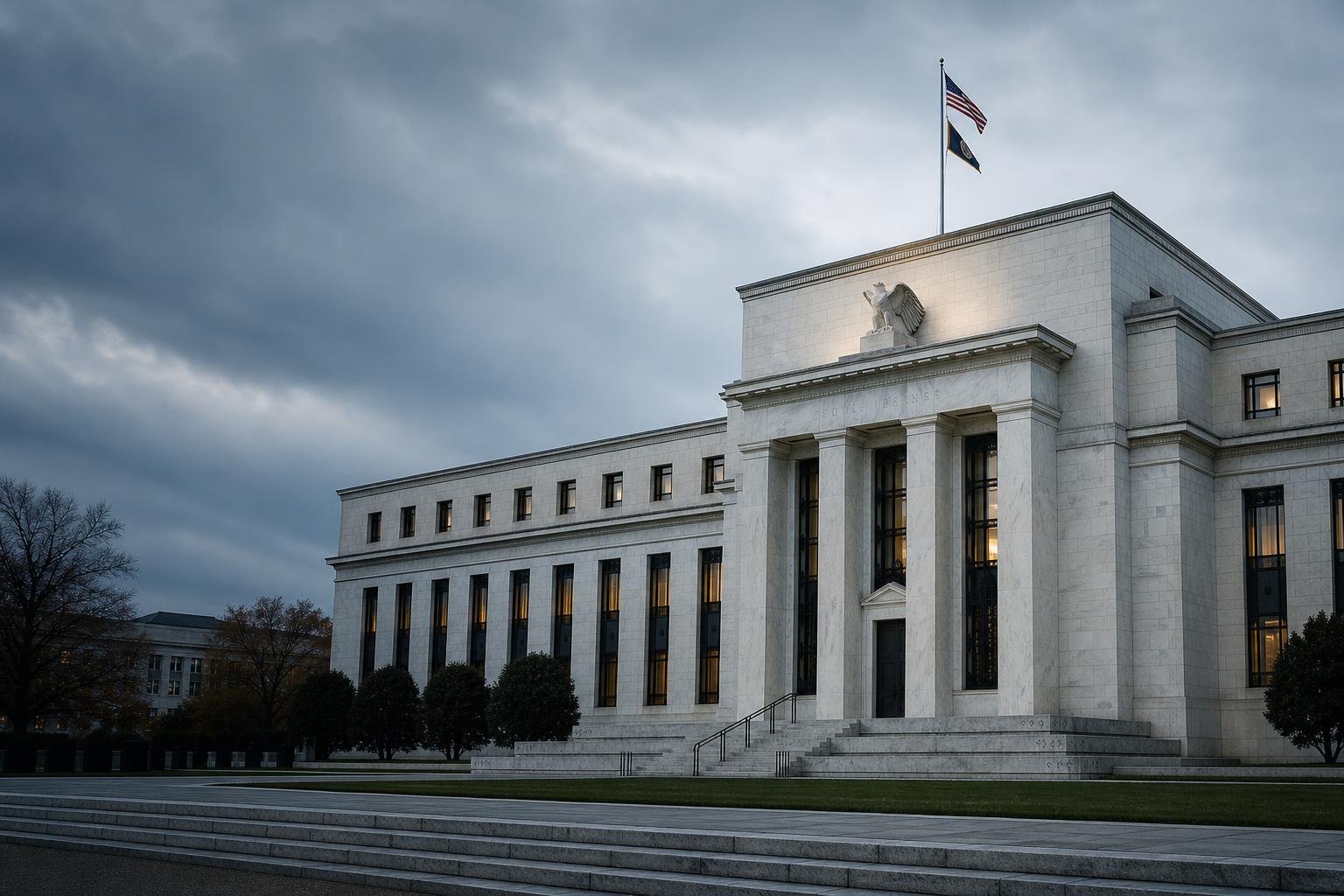
The Federal Reserve held its policy rate steady at the Federal Open Market Committee meeting on the 29th. Three participants called for a 0.25% rate increase as the central bank sought to gauge the impact of the turbulent Middle East situation on prices.
Hold and dissent
The target range for the federal funds rate, the benchmark for the policy rate, was 3.5% to 3.75%, marking the fifth straight meeting without a change. The decision was taken by a 9-3 vote, with dissenting votes from Cleveland Fed President Hammack, Minneapolis Fed President Kashkari and Dallas Fed President Logan.
Alert to price pressures
At a post-meeting news conference, Chair Warsh said the meeting had examined inflation momentum, including higher crude prices and other factors. On the decision, he said it was the beginning of the story, not the end, underscoring a watchful stance on future price trends.
Although U.S. inflation has become persistently higher than 2%, Warsh emphasized the price goal, saying the only target is 2%. He also said the Fed would remain steady in preserving credibility through price stability, adding that it would act without hesitation when necessary and appropriate.
In its statement, the Fed said inflation remains at a level that is still elevated relative to its 2% goal, keeping the same wording as in June. It will continue to assess whether energy supply constraints linked to renewed U.S.-Iran clashes and other factors will intensify persistent inflation pressures.
Oil prices and debate inside the Fed
Recent gains in crude oil prices have also fed through to gasoline. According to the American Automobile Association, regular gasoline prices have once again moved above the $4 per gallon level that consumers often see as expensive. Higher energy costs can also push up transportation, packaging and fertilizer prices.
In a monetary policy report released on the 10th, the Fed cited higher energy prices since spring, Trump's tariffs that increased import costs, and rising demand for high-tech products amid the artificial intelligence boom as inflation factors.
Logan, who argued for a rate hike, said in a speech on the 16th that if inflation does not fall to 2%, at least some form of monetary tightening will be needed. Hammack also posted on social media on the 17th that the Fed should hear calls from the business community to act to curb inflation.
U.S. President Donald Trump is wary of the growing calls for rate hikes. On the 27th, speaking to reporters aboard Air Force One, he criticized the Fed as very political, praised Warsh, whom he nominated himself, and accused Fed officials who favor rate increases against low-rate demands of acting in bad faith.
Enjoyed this article? Share it with your network!