





U.S., Saudi forces strike Iran-backed group in Iraq
 2026-07-29
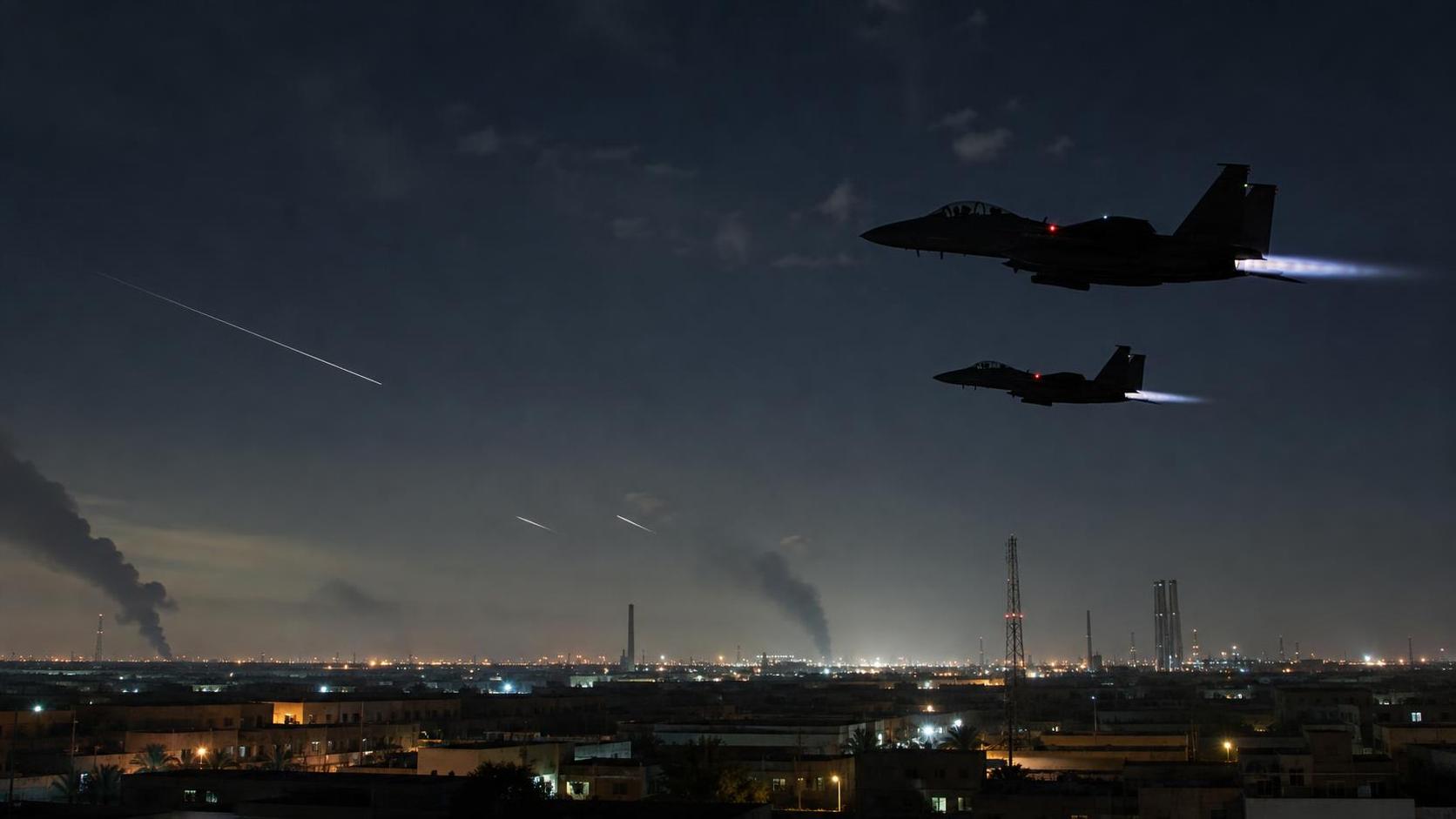
U.S., Saudi forces launch joint air strikes
U.S. Central Command said on the 28th that it had carried out joint air strikes with Saudi forces on an Iran-backed group in Iraq. The move was retaliation for attacks on Saudi oil facilities and showed that attacks on energy infrastructure would not be tolerated.
In a statement, U.S. Central Command said it had carried out precision strikes in Iraq against Iran-linked terrorists who, under orders from Iran's Revolutionary Guards, attacked U.S. and Saudi energy infrastructure. The Iran-backed group carried out more than 30 drone attacks in the past 72 hours, but none succeeded in hitting U.S. forces, it said. U.S. and Saudi forces struck multiple sites in eastern Iraq.
According to U.S. media, Saudi Arabia's defence ministry also carried out limited, targeted air strikes with U.S. forces against the Iraq-based Iran-backed group involved in attacks on oil facilities. It also intercepted multiple drones launched from Iraq.
Bracing for higher oil prices
The joint operation is highly unusual. Saudi strongman Crown Prince Mohammed bin Salman was said to have strongly urged U.S. President Donald Trump to attack Iran at the end of February. On the other hand, there may have been a view that a direct strike on the Iranian mainland would raise the risk of retaliation, while targeting Iran-backed groups could help contain the escalation of the conflict.
The target of U.S. Central Command was the Popular Mobilization Forces, or PMF, an umbrella group of Shi'ite armed organisations based in Iraq. The PMF said at least 20 people were killed and 32 were injured. U.S. Central Command had carried out air strikes on Iranian military facilities and other targets for 13 consecutive days through the 23rd, but had stopped attacks from the 24th onward. Trump had only just said on the 27th that he would temporarily halt attacks on Iran.
Using it as leverage
Attacks on oil facilities are likely to push up crude prices. Even after announcing a halt to attacks, Trump appears to have found it difficult to overlook Iranian actions that could lift gasoline prices in the U.S. He is facing a difficult response ahead of the Nov. 3 midterm elections.
One of the world's largest oil refining facilities operated by Saudi state oil company Saudi Aramco was also hit by a drone attack shortly after U.S. forces, together with the Israeli military, began attacking Iran at the end of February. When Aramco oil facilities were attacked in 2019, output was temporarily cut in half and crude prices briefly rose 20%.
Iran appears intent on using oil, seen as a weak point in the U.S. economy, as leverage to pressure Washington and win more favourable terms in negotiations to end the fighting. Yemen's Iran-backed armed group, the Houthis, also issued a statement on the 28th saying they had attacked Saudi tankers with multiple ballistic missiles. The attack was believed to be part of the maritime blockade it declared on the 20th against Saudi-linked ships in the Red Sea area, and the tankers turned back, it said. The sailing location is unknown, but Iran has used the blockade of the Bab el-Mandeb Strait, which leads out of the Red Sea, as a bargaining chip. The Houthis are also using it to try to gain control of Middle East transport routes.
Enjoyed this article? Share it with your network!