





Black Sea attacks intensify, hitting Russian and Ukrainian exports
 2026-07-28
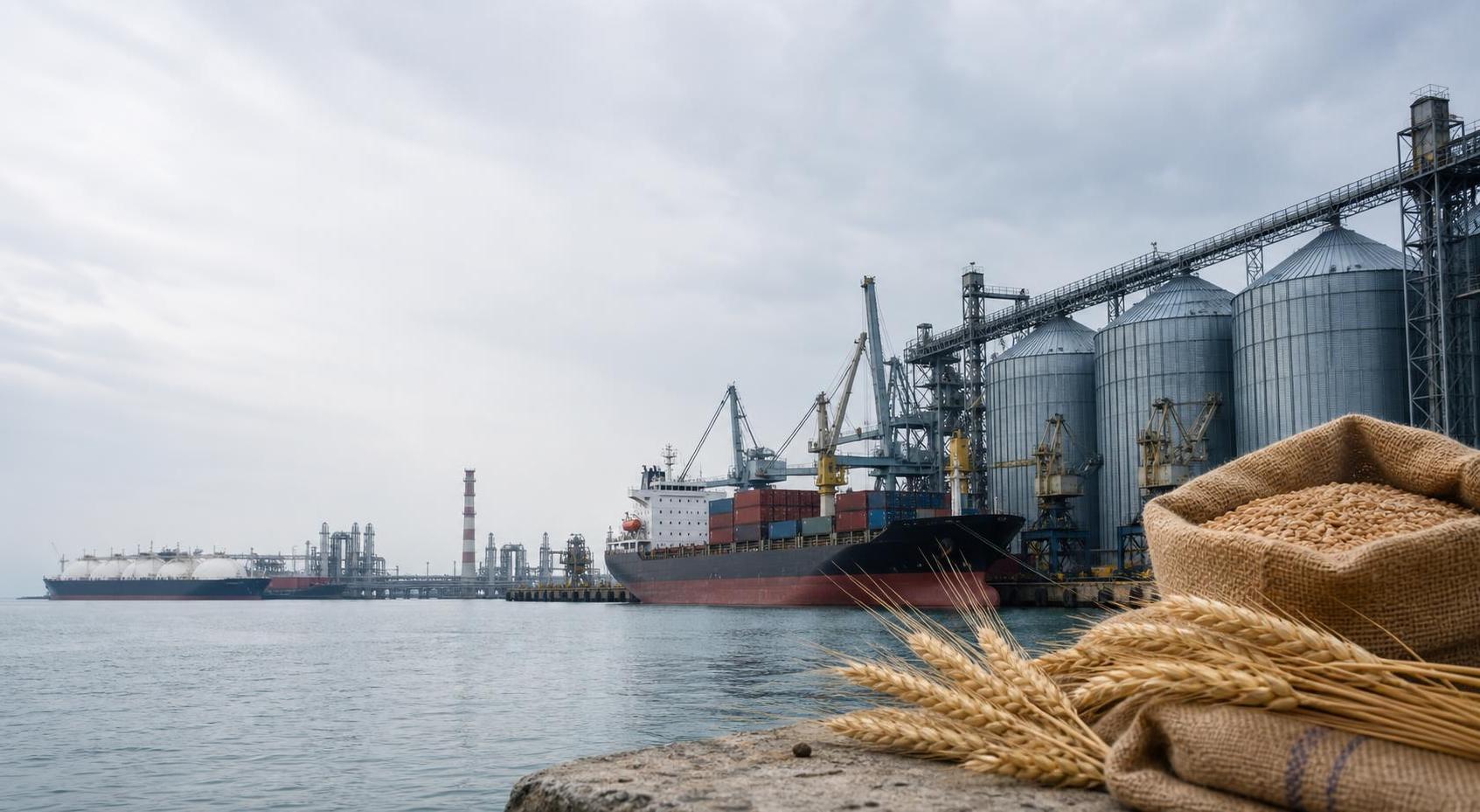
Black Sea attacks intensify
Russia and Ukraine have continued exchanging attacks in the Black Sea, widening the impact on grain and energy exports. Both sides have suffered damage to port facilities and merchant vessels, forcing many ships to halt operations. Worries over supply from major grain producers have pushed up wheat prices and added to inflationary pressure.
In July, Ukraine launched a campaign using drones to attack Russian crude oil tankers and cargo ships sailing in the Black Sea. According to the drone unit, about 200 vessels were hit in a month. The aim is to disrupt fuel supplies to Crimea, which Russia unilaterally annexed in 2014, and isolate the peninsula from the mainland. It also seeks to disable merchant ships in the so-called shadow fleet used to evade sanctions and curb resource exports.
Hit to grain exports
According to SovEcon, Russia's grain exports in July are expected to total 1.5 million tonnes, down 30% from a year earlier. Navigation restrictions in the Kerch Strait, which links the Black Sea and the Sea of Azov, are weighing on shipments. The route is a key corridor connecting southern Rostov region and Krasnodar territory with the Middle East and North Africa, and accounts for 25% of Russia's grain exports. Novorossiisk, the main Black Sea port on the alternative route, has also come under attack, prompting the Russian government to seek a temporary suspension of energy and grain shipments by sea amid concerns over night-time drone strikes.
Russia has stepped up retaliation, attacking the southern Ukrainian port city of Odesa on a daily basis. Grain terminals and vessels have been damaged, and more than 30 merchant ships were hit in the past month, according to Ukrainian Foreign Minister Sybiha. On the 19th, a ship carrying Ukrainian corn was attacked, killing 10 people, including Indian crew members. Many ship owners have temporarily suspended port calls to avoid attacks.
Odesa and nearby ports handle most of Ukraine's grain exports. Supply concerns have intensified in international markets, and wheat futures on the Chicago Board of Trade touched the $7 per bushel range on the 23rd. Prices have risen 20% over the past month and are at their highest level in about two years. Heat waves in Europe have also added to concern, leading France and Hungary to cut their harvest forecasts. An industry group expects the reduction across Europe to reach 9 million tonnes.
Impact on energy markets
The impact is also spreading to energy markets. At Novorossiisk port, facilities belonging to the Caspian Pipeline Consortium (CPC), which exports Kazakh crude, were damaged and loading operations were temporarily halted. Kazakhstan accounts for 10% of crude imports into the European Union and has been increasing supplies to Europe to reduce dependence on Russia.
If shipments through Novorossiisk, which handles 80% of exports from Kazakhstan, decline, European procurement could also be affected. President Tokayev met President Putin on the 25th and urged that the conflict be frozen and talks resumed. President Zelensky also said on the 25th that grain-importing countries could again face inflationary pressure, and called for global food security to be placed on the agenda at the UN Security Council on the 27th.
Enjoyed this article? Share it with your network!