





Takaichi to quickly submit food tax-cut bill after cross-party talks
 2026-07-27
Food tax cut to be decided on a bipartisan basis
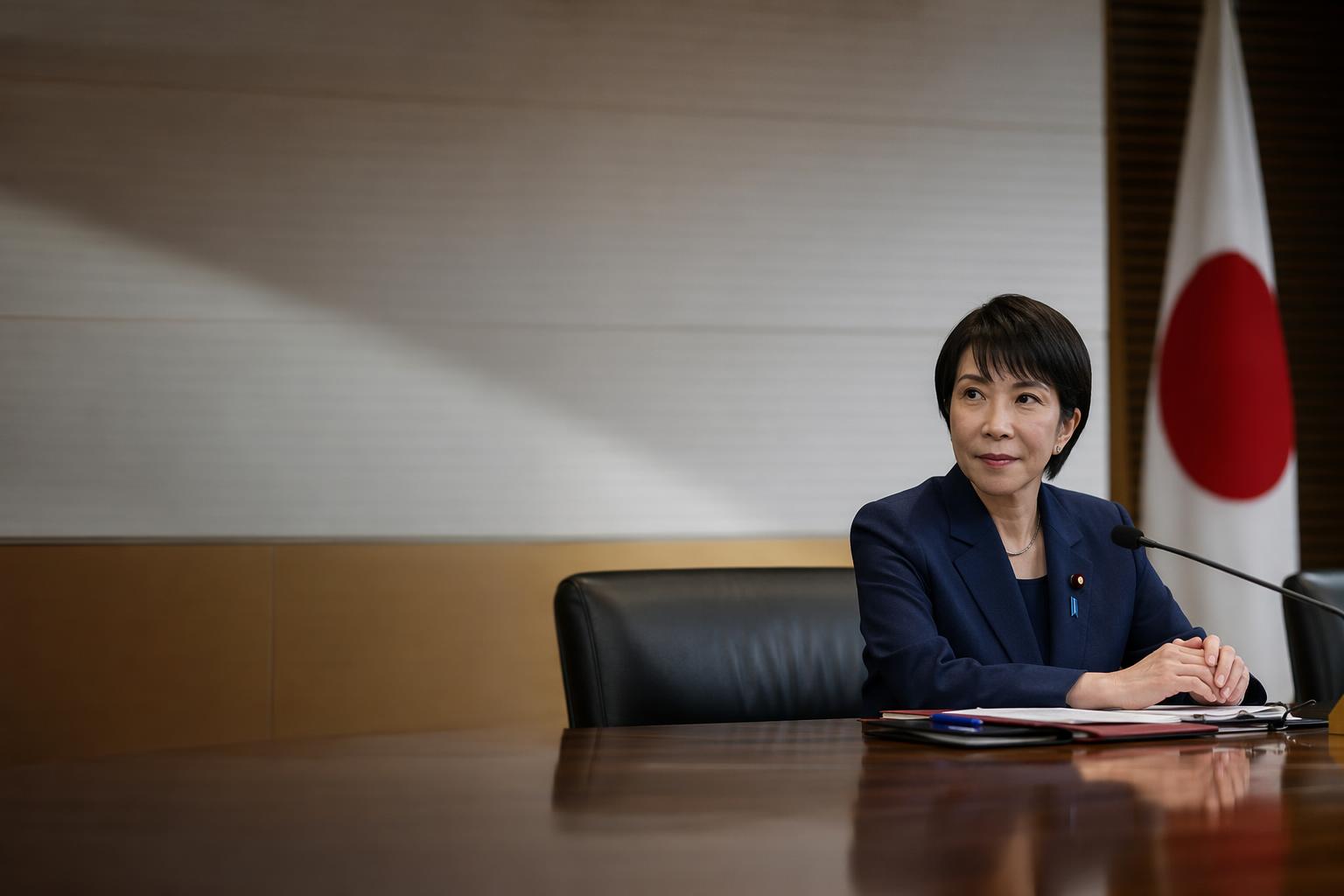
Prime Minister Sanae Takaichi said at a news conference at the prime minister's office on the 27th after the special Diet session closed that she wanted to submit a bill promptly after a bipartisan conclusion is reached on cutting the consumption tax on food. She said she wanted people to feel the effect of the burden relief as quickly as possible.
The prime minister said she would make a final decision based on discussions at the bipartisan National Conference on Social Security. LDP policy chief Itsunori Onodera has presented a proposal as chair that would cut the tax rate on food to 1% from April 2027 and provide middle- and low-income earners with an amount equivalent to 1% in the autumn of that year.
Meanwhile, many opposition parties oppose tax cuts, making coordination difficult. The prime minister said the view that the burden on middle- and low-income earners struggling with higher prices and tax and social insurance premiums should be eased quickly should be shareable across both ruling and opposition parties.
Administration management and future tasks
The LDP had pledged in the February lower house election to make the consumption tax on food zero for two years. The prime minister said she wants to keep examining, from the perspectives of adequacy and speed, which approach is the best burden relief measure for the public.
On a cabinet reshuffle and LDP leadership appointments expected after the summer, she said there is nothing she can say at present. During the special Diet session, she said ministers and party executives had devoted themselves fully to fulfilling the administration's pledges and getting government bills enacted.
Asked about the possibility of expanding the coalition framework to include the Democratic Party for the People, she declined to comment, saying the other side's intentions also matter. She added that without political stability, neither strong economic policy nor diplomacy and security can move forward.
Results of the current Diet session and economic measures
The prime minister said the current Diet session saw all 64 government bills enacted, citing as achievements the revised Imperial House Law and legislation establishing the National Intelligence Bureau as the command center for intelligence.
She also referred to alternative crude oil procurement in light of the Middle East situation and measures to address higher prices, saying the government would take necessary steps flexibly while using 2.5 trillion yen in reserve funds. She also stressed that Japan has the lowest inflation rate among the Group of Seven.
Pointing to rises in the Nikkei average since the administration took office and gains in real wages, she argued that the Japanese economy is beginning to move with momentum. To encourage public and private investment based on the growth strategy, she also said the fiscal 2027 budget proposal will be compiled as the first year of responsible proactive fiscal policy.
Asked to reflect on the special Diet session, she said there was nothing in particular, but added that, if anything, the government needs to place a little more emphasis on messages to the market and communication with markets.
Enjoyed this article? Share it with your network!