





Citigroup and JPMorgan to finance second round of US investment
 2026-07-25
US banks to handle second round
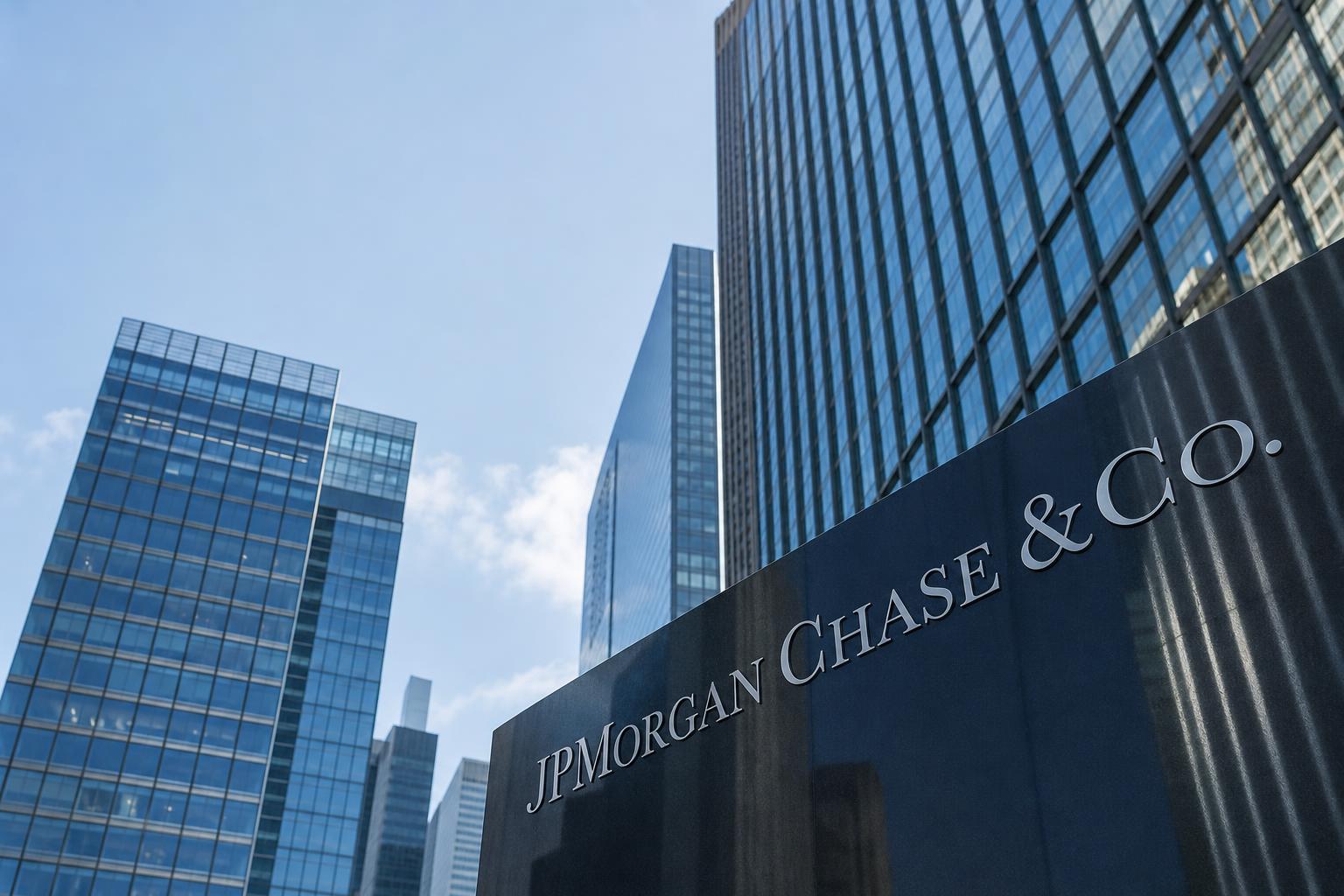
Citigroup and JPMorgan Chase will join the second round of funding for the $550 billion (about 90 trillion yen) US investment agreed by Japan and the United States, it has been learned. In projects to build power plants, the source of funds will shift from Japanese banks in the first round to US banks. A temporary path has now been set for securing huge amounts of dollars.
Funding needed for the US investment will be divided between the government-backed Japan Bank for International Cooperation (JBIC) and private banks. The broad outline of the plan through the second round has been set, and it will involve building next-generation nuclear power plants and gas-fired power plants. Total project costs could reach as much as 12 trillion yen, about twice the scale of the first round.
The two US banks, together with JBIC, will first lend about 500 billion yen in total for two gas-fired power plants. Each lender will cover one-third of the amount, and Japanese banks will not take part. The loans will be increased each time new funding needs arise, and the participation of US banks with abundant dollar holdings should ease concerns for now that financing could stall.
The burden of securing dollars remains large
The biggest financial challenge for the US investment is how to secure the vast amount of dollars needed. A simple calculation based on the Japan-US agreed projects shows that private banks alone would need more than 40 trillion yen worth of dollars. The three megabanks, Mitsubishi UFJ Bank, Sumitomo Mitsui Banking Corporation and Mizuho Bank, had a combined overseas lending balance of about 140 trillion yen at the end of March, meaning the equivalent of roughly 30% of that amount would be added just for the US investment.
If Japanese banks raise the money on their own, the main methods would be building up foreign currency deposits and buying dollars in the market. Continued dollar buying would add pressure for a weaker yen. In the first round of lending, which began in April, the three megabanks handled the private-sector portion, and they had told the government that securing additional dollars would be essential to continue beyond the second round and prevent funding difficulties.
Talks with the government on support measures
Japanese banks are discussing medium- to long-term ways to secure dollars with the Finance Ministry and the Bank of Japan. Options under consideration appear to include use of the Foreign Exchange Fund Special Account, an operation in which the Bank of Japan lends dollars to financial institutions, and a proposal to increase JBIC lending. Nippon Export and Investment Insurance (NEXI) will provide guarantees on the US banks' lending to curb loss risk. Backed by guarantees from the Japanese government, the US banks will earn returns from Japan's investment in the United States.
The US investment was agreed by the Japanese and US governments in July 2025. It was initially part of a deal to lower tariffs of around 25% imposed on Japan on automobiles and other goods, but it remains hard to see how profits will flow back to Japanese companies running projects locally. The Trump administration on the 23rd announced new tariffs in response to the US Supreme Court's ruling that reciprocal tariffs were invalid, setting the rate for Japan at 12.5%.
Under the Japan-US agreement, banks and others are required to lend dollar-denominated funds 45 business days after the US president chooses the investment destination and notifies Japan. The second-round loans agreed in mid-March are also expected to be executed on time for the thermal power plant projects. Japan is ahead of other countries in carrying out US investment, and the South Korean government launched investment in shipbuilding in earnest on the 23rd. The European Union is also moving ahead with selecting investment destinations, but has not yet reached the stage of announcing multiple specific projects like Japan.
Enjoyed this article? Share it with your network!