





Indian education minister resigns after leak protests
 2026-07-25
Background to resignation
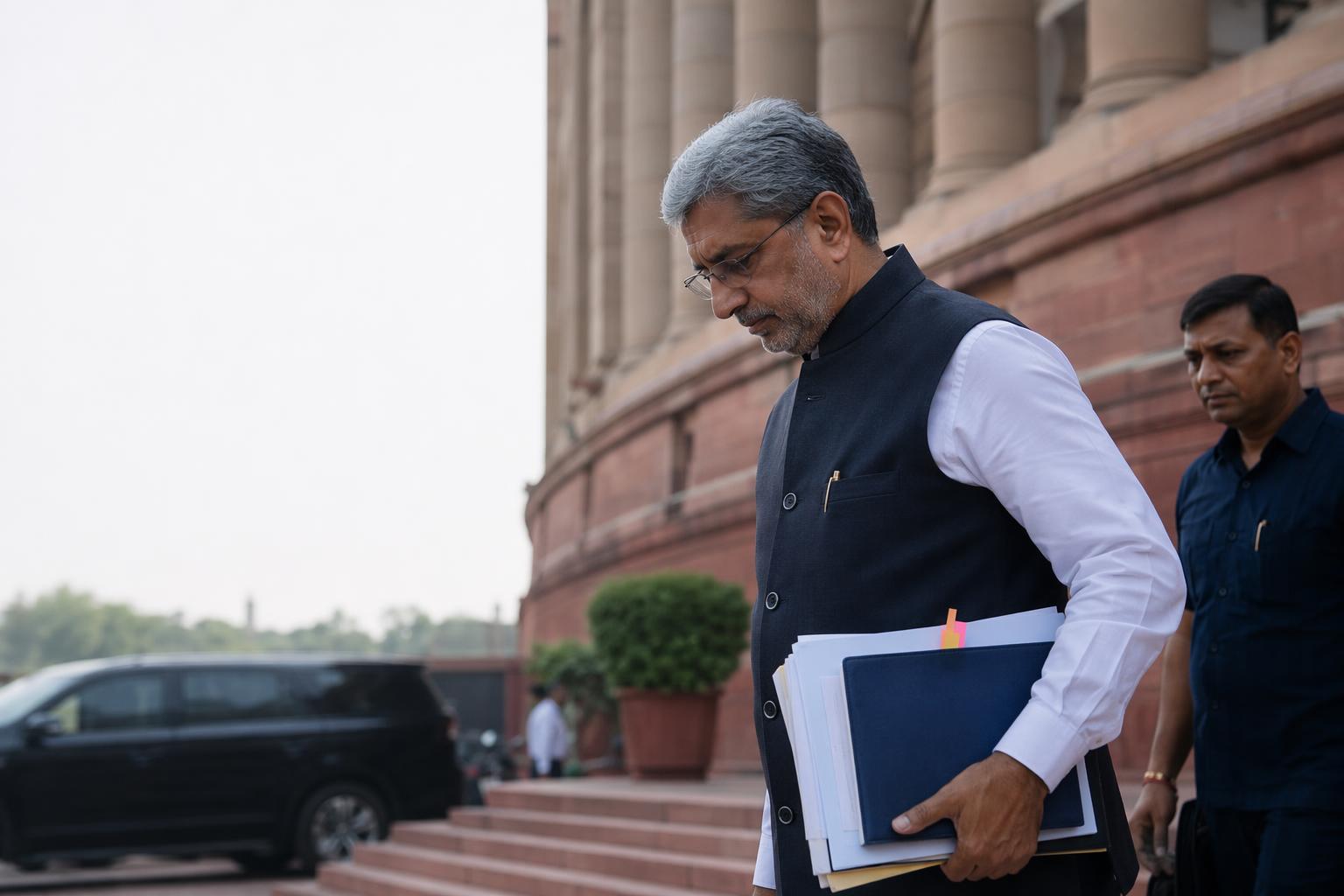
India's education minister, Pradhan, submitted his resignation letter to Prime Minister Modi on the 25th after the Cockroach People's Party (CJP), which has led youth protests over leaks of university entrance exam questions at medical schools and other institutions, demanded he step down.
Protests broaden
The CJP has broadened its protests by drawing support from Gen Z voters angry over job shortages and inequality. With youth protests in Bangladesh and Nepal helping topple governments, concern has grown in India about a similar movement.
Government and CJP reach agreement
In a post on X, formerly Twitter, Pradhan said he was resigning to protect students' futures and to prevent 'anti-national forces' from exploiting the large youth protests in Delhi.
On the 20th, thousands demonstrated in the capital, New Delhi, and security forces dispersed them with tear gas and other measures, leaving many injured. Students continued camping out afterward, with intermittent clashes with police and others. Nearby shops were temporarily closed and traffic was paralysed.
On the 23rd, Modi announced the creation of special fast-track courts to punish those involved in the leak. The CJP and the government had held two rounds of talks, and the CJP side demanded Pradhan's resignation, a guarantee that protesters would not face legal action, and 10 million rupees, about 17 million yen, in compensation for the family of a student who died by suicide.
At the talks on the 24th, the two sides broadly agreed on immunity for protesters and compensation for the bereaved family, while the government refused to accept resignation. On the afternoon of the 25th, when a third round of talks was scheduled, Pradhan announced his resignation on his own and the CJP posted on X: 'The cockroach has won. Democracy has won!'
After that, the CJP and the government held a joint news conference, at which the CJP said it would immediately end the protests. It also urged supporters gathered in Delhi to return home.
The CJP was launched in May by social activist Abhijeet Dipke after the chief justice of the Supreme Court compared unemployed young people to 'cockroaches'. Its name is a jab at the Bharatiya Janata Party (BJP) led by Modi. Although the CJP is a 'fictional party', it has gained support among young people nationwide and has carried out hunger strikes and other actions over allegations of leaks in medical school entrance exams.
Enjoyed this article? Share it with your network!