





BOJ likely to hold in July as it gauges oil, yen moves
 2026-07-24
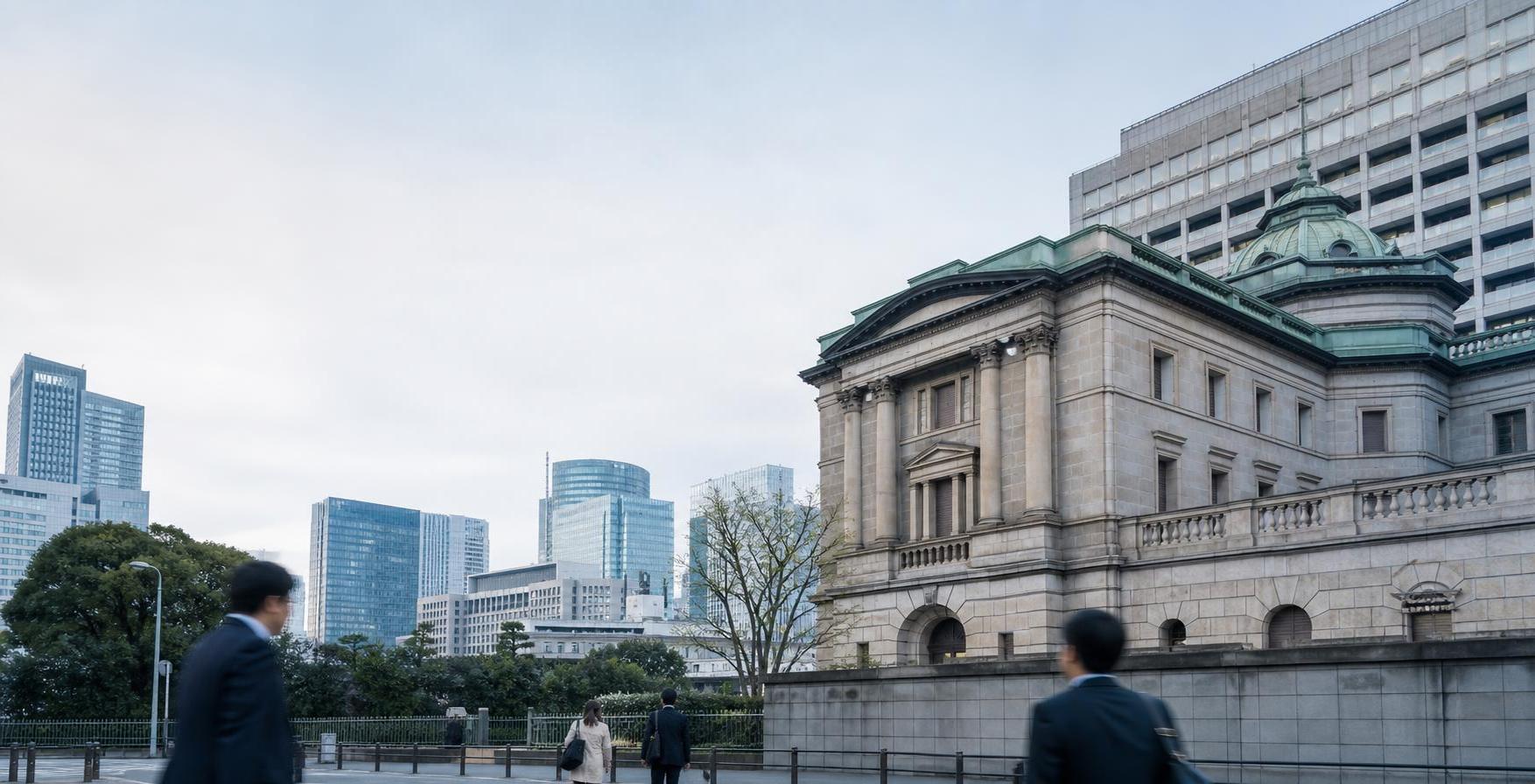
BOJ to hold rates at July meeting
The Bank of Japan plans to keep its policy rate unchanged at 1.0% at the Monetary Policy Meeting on July 30-31, as it assesses the impact of the June rate hike it carried out only recently to address upside risks to prices amid heightened tensions in the Middle East and higher crude prices.
It is highly likely to decide to hold rates with support from a majority of the nine policy board members. Within the BOJ, the prevailing view still is that financial conditions remain accommodative and that additional rate hikes are needed to secure price stability. At the same time, calls for not rushing remain strong, and while some members may argue for back-to-back hikes after June, the view is not widespread.
Outlook Report likely to lift growth forecast
At the July meeting, the BOJ will also release its quarterly Outlook for Economic Activity and Prices. For fiscal 2026 real gross domestic product growth, the median of policy board members was 0.5% as of April, but it may be revised higher.
At present, alternative procurement of Middle East crude is progressing, and concerns that companies' production activities could be disrupted are easing. Views are also spreading within the BOJ that semiconductor and other artificial intelligence-related industries are stronger than expected and will support growth. The June consumer price index released on the 24th showed the core index excluding fresh food rose 1.6% from a year earlier. Taking into account the extension of electricity and gas subsidies, the core CPI forecast for fiscal 2026 may be revised down from 2.8% as of April.
Still, many inside the BOJ say there has been no major change in thinking since the June meeting, when it raised rates by emphasizing upside price risks over downside economic risks, according to a senior official. The corporate goods price index, which tracks prices of goods traded between companies, rose 7.1% in June from a year earlier. Price pass-through to final products is likely to advance through this autumn, and some see the possibility that crude prices could rise again if the United States and Iran clash again, while surging semiconductor prices could push up a wide range of items.
Watching upside inflation risks and market reaction
In the foreign exchange market, the yen briefly fell to the 163 per dollar range, its weakest level in 39 and a half years against the dollar. Further yen weakness is also a factor that increases upside inflation risks.
The BOJ is maintaining its stance of looking for the right timing for the next rate hike while watching price developments. A key focus is how much guidance Governor Kazuo Ueda, who missed the June meeting because he was receiving treatment for an infectious disease, will give on further rate hikes at his news conference after the July meeting.
According to Totan Research and others, the market-implied probability of a rate hike as of the afternoon of the 24th is only 3% for the July meeting. It is around 40% for the September meeting and exceeds 80% if a move comes by the October meeting. The BOJ has so far raised rates at roughly six-month intervals, but the market is pricing in additional hikes at shorter intervals.
In early July, the yield on newly issued 10-year Japanese government bonds, a benchmark for long-term rates, climbed to 2.9%, its highest level in 30 years, and bond prices fell. In the process of compiling the government's basic policy on economic and fiscal management and reform, concerns grew after the draft was released about a loosening of fiscal discipline and delays in rate hikes, triggering so-called 'basic policy' shock that led to selling of government bonds and the yen.
How Ueda frames his view in such a situation will draw attention. Depending on what he says, it could either calm market jitters or amplify them.
Enjoyed this article? Share it with your network!