





Saudi nuclear deal now tied to Israel normalization
 2026-07-24
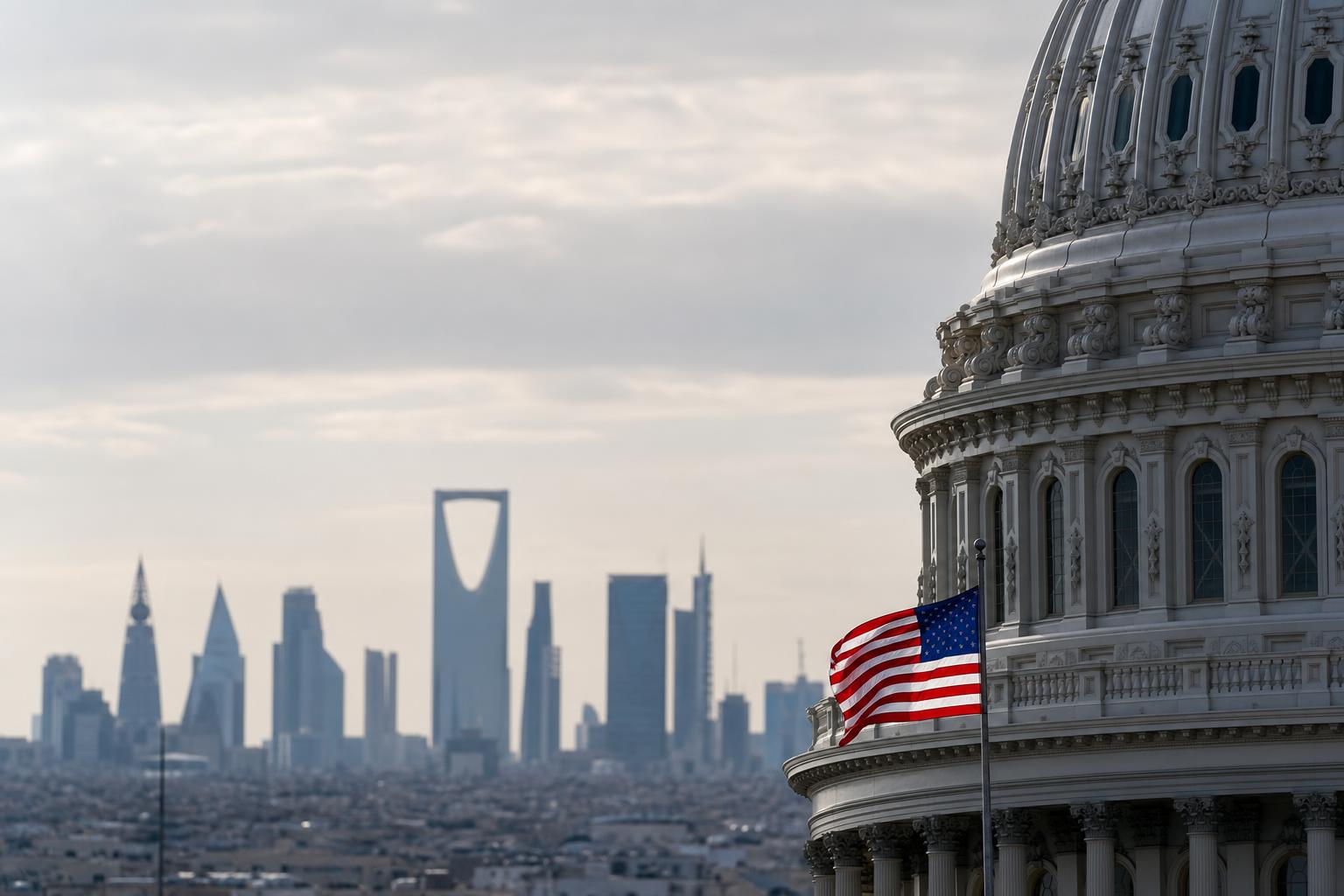
U.S. President Donald Trump on Jan. 23 said normalization of ties with Israel would be a 'complete condition' for a nuclear agreement with Saudi Arabia. He effectively reversed the previous approach of keeping the issue separate by calling for Saudi participation in the Abraham Accords, which promote diplomatic ties between Israel and Arab states.
Saudi cautious on normalization
Saudi Arabia has so far maintained that it cannot join the Abraham Accords unless it agrees on a roadmap toward establishing a Palestinian state. Anti-Israel sentiment has strengthened since the Gaza offensive, and the demand to make normalization with Israel a condition remains a high hurdle. The deal's prospects could become even more uncertain.
Nuclear deal and diplomacy
The Trump administration said on Jan. 22 that it had reached a civilian nuclear agreement with Saudi Arabia. The deal would allow U.S. companies to develop nuclear infrastructure in Saudi Arabia, and White House press secretary Karoline Leavitt confirmed the new condition at a news conference on Jan. 23. She said, 'Trump has said that unless Saudi Arabia joins the Abraham Accords, this deal will go back to square one,' adding that the administration intends to continue talks with Saudi Arabia.
Saudi Arabia has become even more cautious about normalizing ties with Israel since the conflict between Israel and the Islamist group Hamas began in October 2023. The Gaza offensive has increased Palestinian casualties and quickly strengthened anti-Israel sentiment at home. The U.S. government initially linked talks on the nuclear agreement with the Abraham Accords, but after Saudi Arabia's shift in position, it separated the two after the start of Trump's second administration.
Underlying nuclear concerns
Trump's policy change is believed to reflect opposition from Israel, which is wary of Saudi nuclear armament, and from pro-Israel Republican lawmakers. Trump stressed on Jan. 23 that the agreement covers only 'non-military uses,' but Saudi Arabia has in the past referred to the possibility of developing nuclear weapons.
In the United States, nuclear agreements with other countries require congressional review. Deliberations on the agreement could stall until negotiations over the Saudi Abraham Accords are settled.
Prospects for Saudi Arabia to normalize ties with Israel at this stage are low. In a poll released in August 2025 by the Washington Institute for Near East Policy, 99% of Saudis said 'normal relations and peace with Israel' would be a 'step backward' rather than 'progress.'
Discontent also simmers between the two countries. There is deep disappointment that the United States has not sufficiently restrained Israel's military actions in Gaza, and there is also a view that Washington has prioritized Israeli interests over those of the Gulf, at the expense of Gulf security, in its approach to Iran. Saudi Arabia has also subtly adjusted its Iran strategy and may be placing greater weight on long-term ties with Iran than on coordination with Israel. In May, it was reported that Saudi Arabia had begun consultations with other countries on a proposal for a 'regional comprehensive non-aggression treaty' that would include Iran.
Enjoyed this article? Share it with your network!