





Yen weakness deepens on Mideast tensions, briefly hits 163.99
 2026-07-24
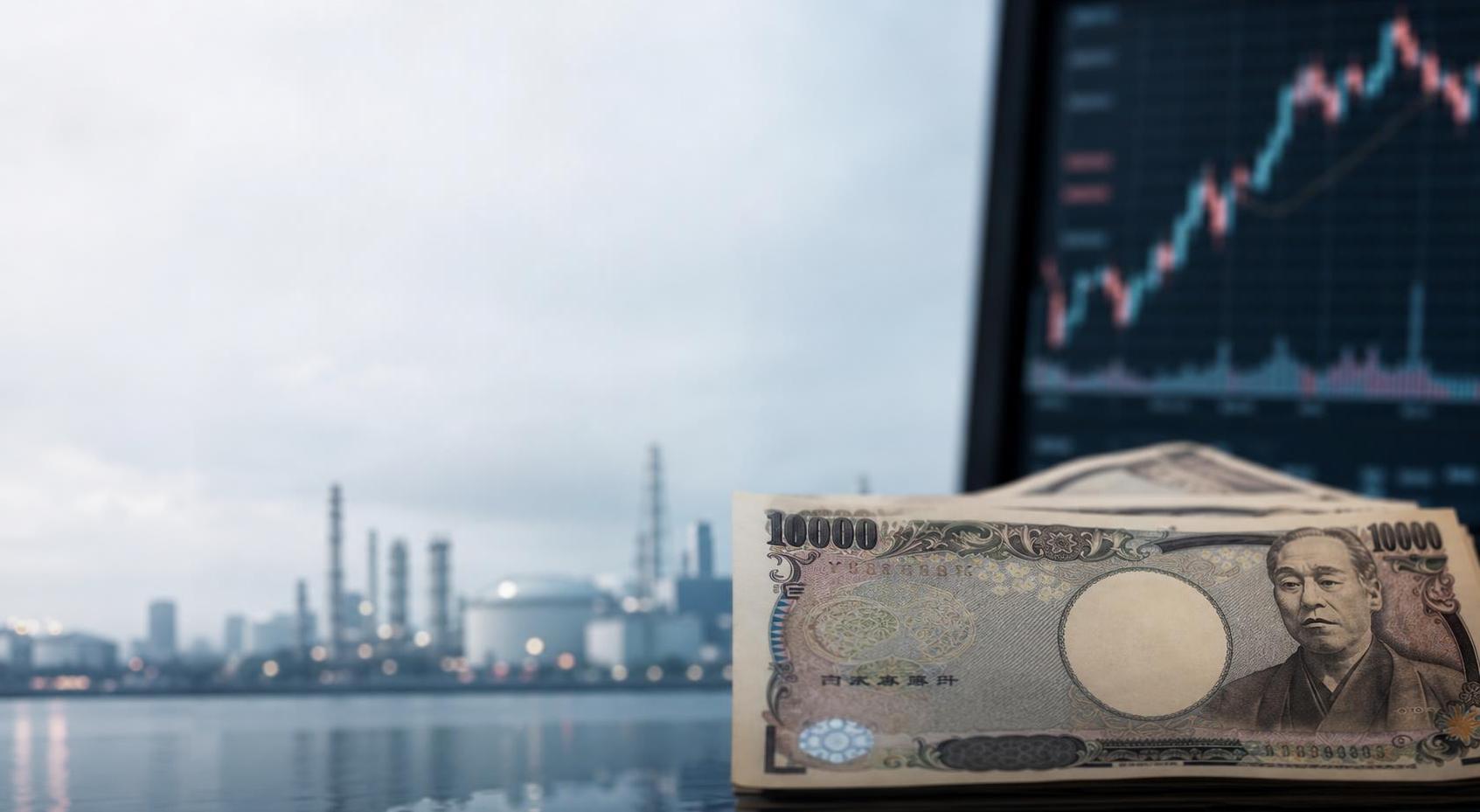
Yen slips to upper 163s
The yen fell as tensions in the Middle East fuelled yen selling and dollar buying. In the New York foreign exchange market on the 23rd, the yen dropped to the upper 163 yen area against the dollar, touching 163.99 around 11 a.m. Eastern Time (midnight on the 24th in Japan). At 4 p.m., it was around 163.80, the weakest level for the yen since November 1986.
Oil gains and safe-haven dollar buying
The Iran-backed armed group Houthis attacked two Saudi oil tankers in the Red Sea on the 23rd. Futures jumped on concern that shipping could also be disrupted in the Red Sea, viewed as an alternative route to the Strait of Hormuz, and front-month Brent crude touched $102 a barrel at one point. The September WTI contract also rose to the mid-$93 range and at one point was more than 7% higher than the previous day. Inflation concerns stemming from higher oil prices intensified, and expectations of an early U.S. rate hike also supported dollar buying.
The dollar index rose 0.4 points from the 22nd to the mid-101 range. The euro briefly hit around $1.1364, its lowest level in three weeks since early July. The dollar also strengthened against the British pound, the Australian dollar and the Swiss franc.
Authorities cautious on intervention stance
Mark Chandler of Bannockburn Capital Markets pointed out that, judging from the response of Japanese authorities, there was no sign they were prepared to defend the 160 yen level that the market is watching. Finance Minister Satsuki Katayama said on the 23rd about the yen's decline, 'We will act decisively, as needed, if necessary.'
There is a strong view that yen-buying intervention by the government and the Bank of Japan will not be a fundamental solution to yen weakness. Chandler said that not taking decisive action at this point may be a sign that authorities do not feel a strong need to intervene, and that short-term fundamentals such as higher oil prices and rising U.S. rates are working against the yen.
Rate-hike bets grow on higher U.S. yields
U.S. Treasury yields rose across the curve. The two-year yield, which is sensitive to monetary policy, at one point climbed to around 4.37%, the highest since February 2025. The benchmark 10-year yield also rose to around 4.71%, its highest since January 2025.
The Federal Reserve will hold the Federal Open Market Committee meeting on the 28th and 29th. In FedWatch, which predicts policy based on interest-rate futures, the probability that the Fed will raise rates in July had risen to about 36% as of 4 p.m. on the 23rd, sharply up from about 12% a week earlier. U.S. President Donald Trump posted on his social media account on the morning of the 23rd that if a similar attack happens again, the United States would hold Iran responsible and impose large-scale military sanctions. On the same day, U.S. news site Axios reported that Trump said he was considering a large-scale attack on Iran and was on the verge of making a decision.
Enjoyed this article? Share it with your network!