





Nikkei Extends Morning Gains on AI, Chip Shares
 2026-07-22
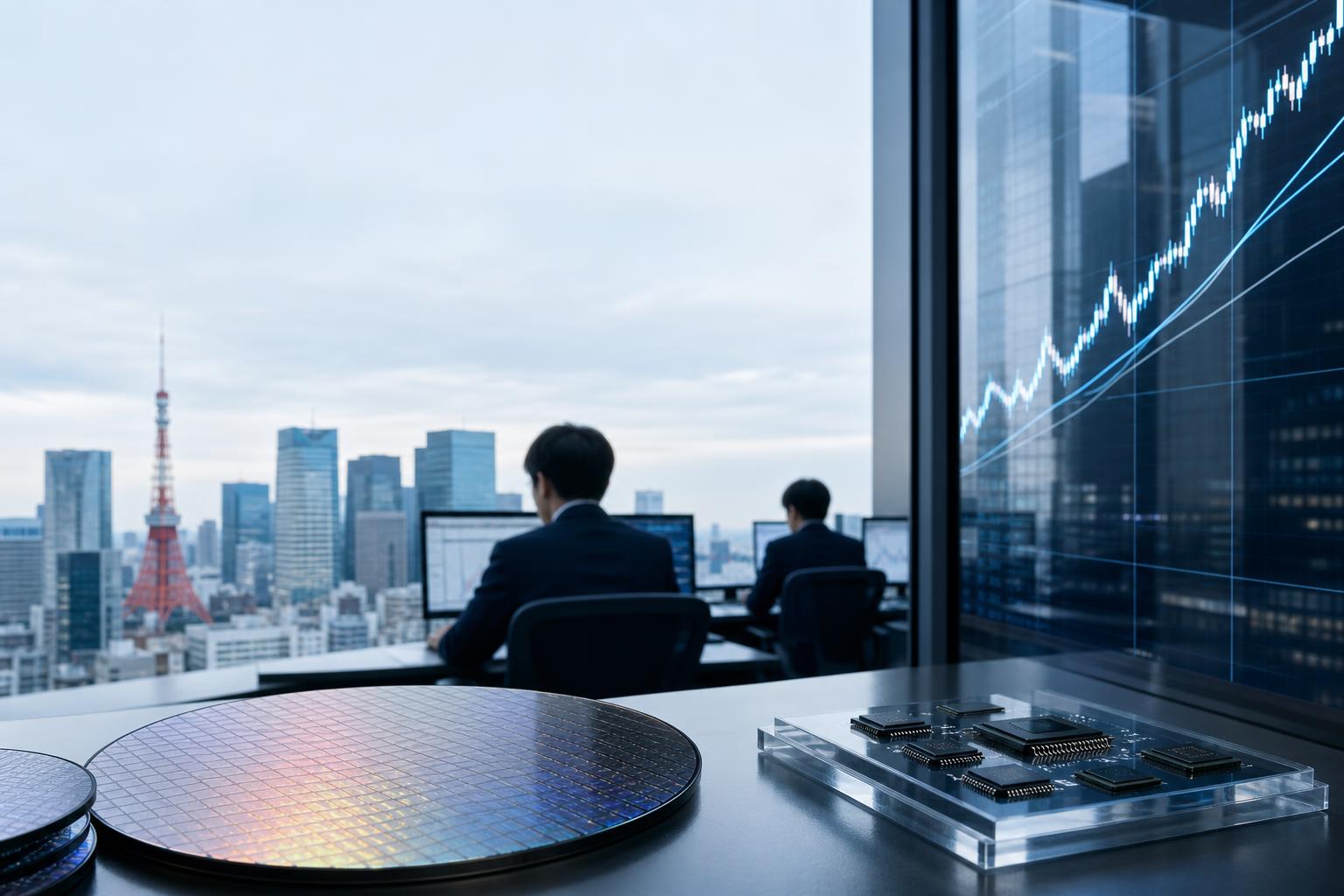
AI-related stocks lift the index
In the Tokyo stock market on the 22nd, the Nikkei Average extended gains, ending morning trade at 67,511.12 yen, up 1,278.93 yen, or 1.93%, from the previous day. High-priced artificial intelligence and AI-related semiconductor stocks led the market, and the gain at one point exceeded 1,300 yen.
Kioxia Holdings at one point rose as much as 12.51%. Advantest gained 6.54% and Tokyo Electron rose 4.07%, with the five biggest contributors to the Nikkei Average's rise all related to AI and semiconductors. The five stocks together lifted the index by more than 1,100 yen.
Funds flow in on Middle East worries
Behind the buying is growing instability in the Middle East. The U.S. Central Command attacked Iran for 11 straight days through the 21st. U.S. President Donald Trump also warned on the 21st that Mount Pickaxe in central Iran would be attacked 'very heavily very soon', heightening caution over geopolitical risk. Oil prices also rose.
Kazuaki Shimada, chief strategist at IwaiCosmo Securities, said that as the worsening Middle East situation makes the impact on the Japanese economy harder to gauge again, money is fleeing into AI stocks that offer reassurance on earnings growth. Since April, the stock market has often seen technology shares bought when tensions in the Middle East intensify.
Technology shares were also bought on the previous day in the U.S. market, and the Philadelphia Semiconductor Index, SOX, which comprises major semiconductor-related stocks, rose 5%.
TSMC report also a tailwind
Reports surrounding price increases by Taiwan Semiconductor Manufacturing Co., TSMC, also provided support for semiconductor-related shares. Nikkei reported on the 21st that TSMC plans to raise prices for semiconductor contract manufacturing by as much as 10% in 2027. The price hike was taken as a sign of resilient semiconductor demand, and buying spread across related stocks.
The Nikkei Semiconductor Stock Index, which is made up of major domestic semiconductor-related stocks, had fallen by just over 20% in about a month from its high on June 22. Takahiko Masuzawa, head of trading in the equities department at Phillip Securities Japan, pointed out that buybacks in semiconductor shares on value grounds are also increasing.
Through the weekend of the 17th, concern that the rise of Chinese AI startups Moonshot AI and DeepSeek would hurt the competitiveness of AI companies, especially in the U.S., had weighed on technology shares. Still, Jun Ishigane, executive fund manager at Mitsubishi UFJ Asset Management, said an increasing number of investors believe that while concerns remain, this does not mean the shift to boosting investment in AI data centers will end.
Hidetomo Ishiguro, chief strategist at Nomura Asset Management, said intensified competition itself is positive for the tech industry, adding that when DeepSeek emerged, accelerated competition later led to expanded investment.
Earnings season to test investment stance
After the sharp drop late last week, buying in technology shares dominated, underscoring the persistent demand for AI and semiconductor-related stocks among investors. That said, the broader market is not rising without reflecting concerns over the Middle East situation. On the morning of the 22nd in the Tokyo Stock Exchange Prime market, 40% of stocks were lower, and selling hit retail, railway and airline shares on higher crude prices.
The Nikkei Average has risen about 8% from its recent intraday low seen during trading late last week. Whether it can return to a full-fledged uptrend will depend on confirming companies' stance on AI investment through earnings from hyperscalers and major cloud service providers, which begin in earnest from U.S. trading on the 22nd. That is likely to be a key test for the outlook for semiconductor shares worldwide.
Enjoyed this article? Share it with your network!