





Red Sea oil shipping turns back after Houthi blockade
 2026-07-22
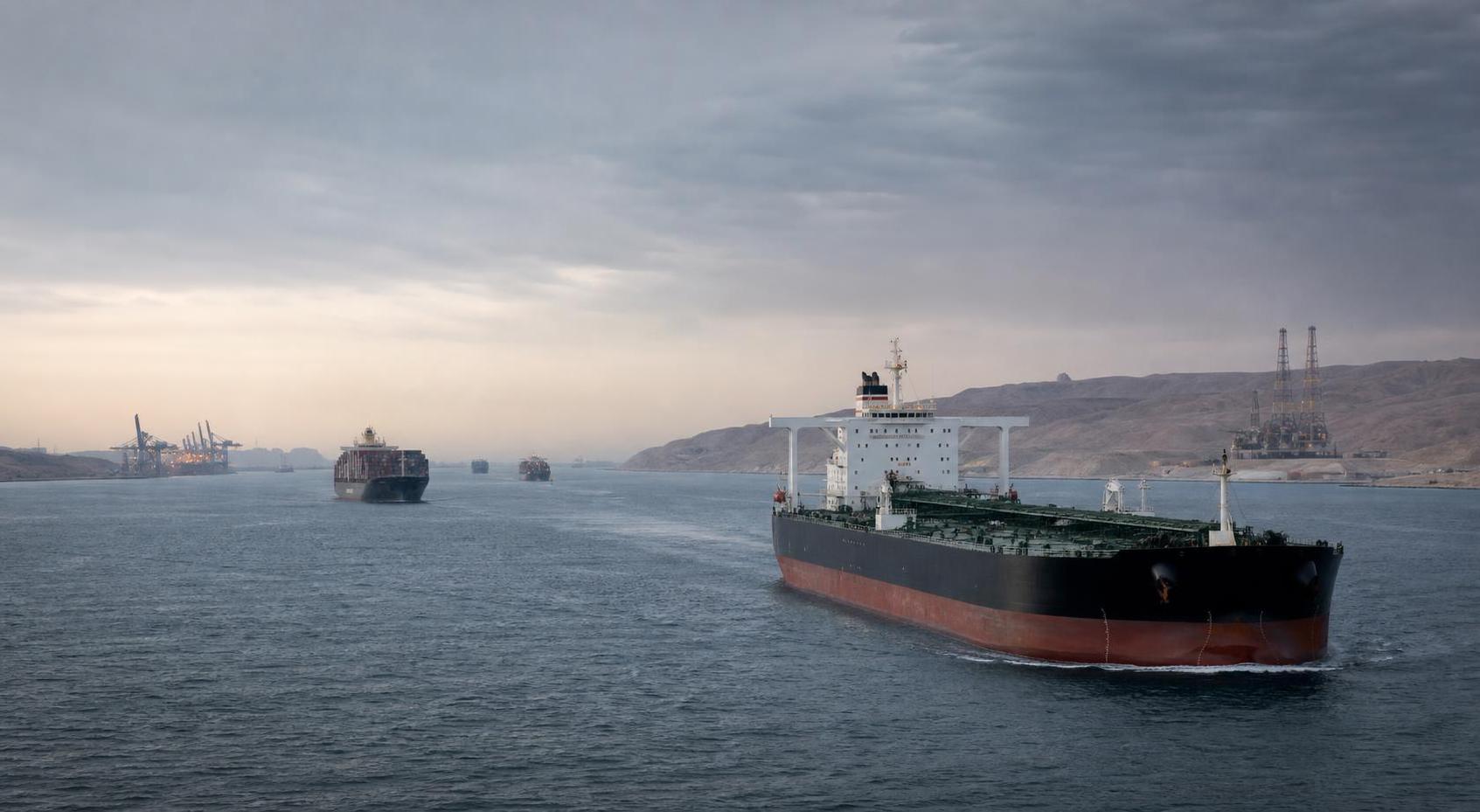
Ships turn back after Houthi blockade
Unease is again spreading over Red Sea oil shipping, which had grown more important as a detour from the Strait of Hormuz. On the 21st, several ships heading for the Bab al-Mandab Strait, the exit from the Red Sea, turned back, apparently wary of attacks by the Iran-backed Houthi group. Crude prices edged higher.
The Yemen-based Houthis on the 20th declared an immediate 'maritime blockade' on vessels linked to Saudi Arabia. According to Reuters, several shipping companies received emails from the Houthis asking them not to load or unload cargo at Saudi ports. The emails also warned that violators would be subject to sanctions and could be targeted anywhere within the operation zone.
Alarm spreads at key chokepoint
The Bab al-Mandab Strait serves as the gateway to the southern Red Sea and is only about 30 kilometers wide. Along with the Strait of Hormuz, it is a Middle Eastern chokepoint, and about 2.5 million barrels a day of oil - a volume comparable to Japan's imports - is shipped out through it, according to European research firm Rystad Energy.
Saudi Arabia has shifted its focus to shipping via the Red Sea after the de facto blockade of the Strait of Hormuz. Exports from Yanbu, the major port on the Red Sea, have more than doubled from normal levels. The Saudi Foreign Ministry said on the 21st that it would take all necessary measures to protect vessels.
Ripple effect on crude markets
No attacks on vessels or seizures have been confirmed since the Houthis announced the blockade. Still, some ships have begun to avoid transiting the area to reduce risk. LSEG vessel-tracking data showed that several ships that had headed south from Saudi Arabia's Yanbu port toward the Bab al-Mandab Strait turned back on the 21st.
The large tanker Xinrongyang, carrying 2 million barrels of Saudi crude, left Yanbu at around 9:30 a.m. Japan time on the 20th and headed south, but changed course before 6 p.m. on the 21st and began retracing its route. As of late on the 22nd, it appeared to be almost stationary in waters between Sudan and Saudi Arabia. Another tanker that appeared to have been heading from Yanbu to India also turned northwest at about the same time. Its current destination is listed as Suez Port at the southern end of the Suez Canal.
There is also a vessel that appears to have turned back while trying to enter the Red Sea from the strait. The tanker New Prime, which was heading from Singapore through the Bab al-Mandab Strait to Yanbu to load crude, slowed before entering Yemeni waters and reversed course. Local Yemeni media reported on the 21st that six vessels had changed course and turned back since the blockade began.
The exchange of attacks between the United States and Iran shows no sign of easing. Tensions over the Bab al-Mandab Strait could further heighten the confrontation between the two countries. Oil prices also rose, with front-month Brent crude futures briefly touching around $92 a barrel on the 21st and WTI futures climbing to the upper $85 range. Both were up more than 3% from the previous day and returned to levels last seen before the United States and Iran agreed on a memorandum aimed at ending hostilities.
US regular gasoline prices on the 20th rose above $4 a gallon for the first time in a month, crossing a psychological threshold. President Donald Trump told reporters on the 21st that if the Houthis actually carried out a 'maritime blockade', 'we would have to deal with it'.
Enjoyed this article? Share it with your network!