





Nikkei Rebounds in Tokyo on AI and Semiconductor Buying
 2026-07-21
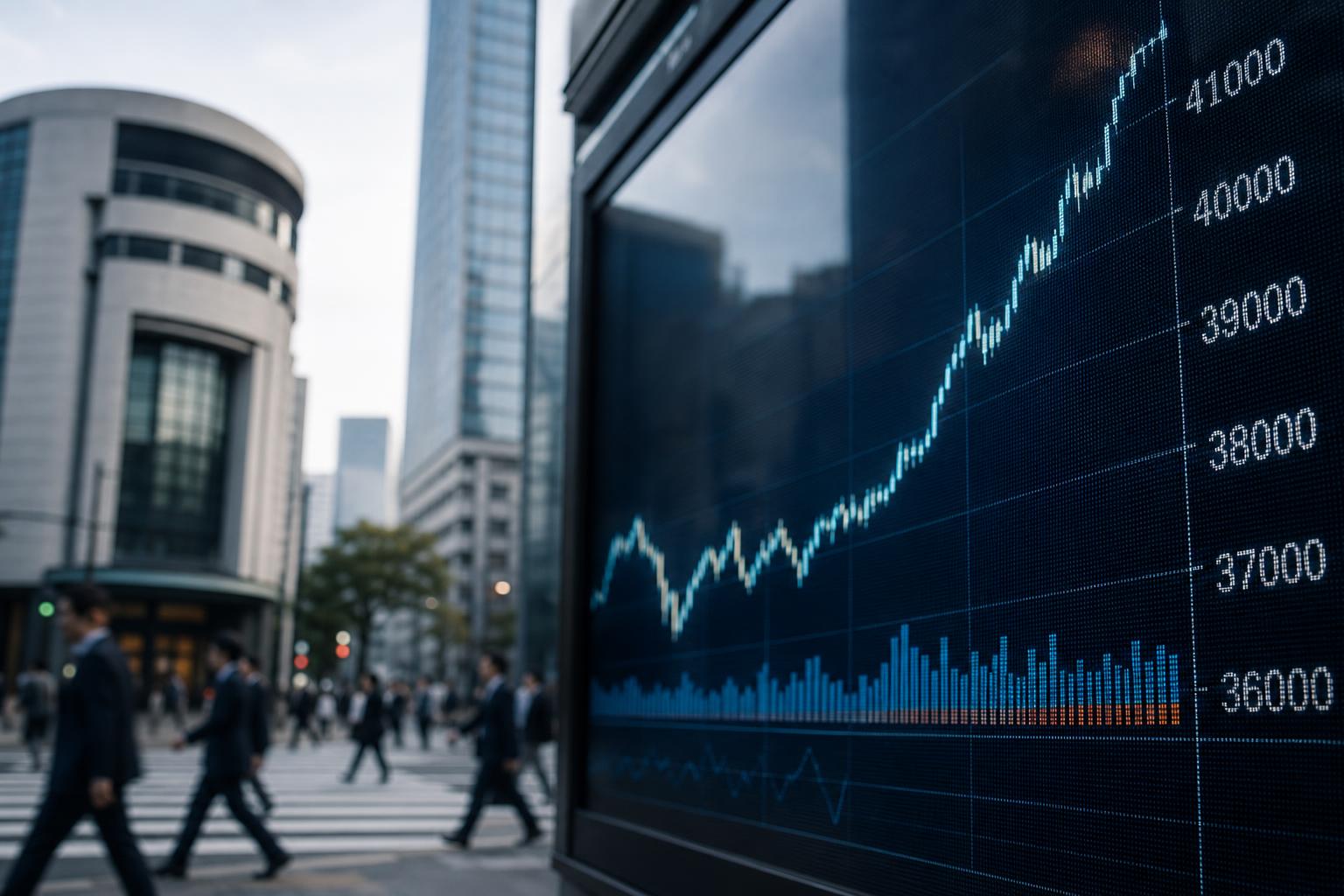
AI and semiconductor stocks see buying
In Tokyo trading on the 21st, the Nikkei 225 rebounded, closing the morning session 1,114 points, or 1.74%, higher than the previous Friday at 65,255. At one point, gains topped 1,500 points. Following the fifth-largest drop on record the previous Friday, buying emerged in artificial intelligence (AI) and semiconductor stocks as investors looked for a technical rebound.
China AI shock eases
The 'China AI shock' that jolted global markets last week has for now subsided. In US trading on the 20th, when Japan was on holiday, the Philadelphia Semiconductor Index (SOX), which comprises major semiconductor-related stocks, rose 0.59% from the previous Friday, rebounding for the first time in four trading days. In Asian markets on the 21st, South Korea's KOSPI and Taiwan's weighted index, both heavily weighted toward technology, also rose, supporting Tokyo shares.
The rebound was particularly notable in AI and semiconductor stocks that had fallen sharply on the previous Friday. Kioxia Holdings, which was sold down to the lower limit of its daily trading band on the 17th, at one point rose 12%. SoftBank Group (SBG) gained 5% at one stage, while Advantest rose as much as 6%.
Concerns over China AI spread
Chinese AI startup Moonshot AI announced late on the 19th that it had stopped accepting new users. The company said the move was due to a sharp surge in usage and a shortage of computing resources needed for processing. Its new model 'Kimi K3', unveiled last week, has drawn views that it is approaching US AI in performance, prompting fears that it could threaten the advantage of US AI companies and sending related stocks lower. Still, expectations that Chinese AI would rapidly spread have faded, leading to buybacks.
AI services rely on servers equipped with graphics processing units (GPUs) and other chips. As usage expands, more semiconductors and servers will be needed, while the amount of data used in development will also rise, further increasing the importance of securing advanced chips. Although Chinese AI models themselves are said to be highly capable, GPU holdings are still seen as limited, partly because of US export controls.
Kenji Yasui, an analyst at UBS Securities, said there is 'an overwhelming gap in holdings' between the US and China in terms of computing power. China's computing power could soon reach saturation, and advanced semiconductors developed by Western countries are also essential for Chinese companies, he said. This view that 'semiconductor demand will not retreat significantly, and even if stock prices correct temporarily, they will quickly recover' appears to have helped reassure investors, Yasui said.
Worries about overheating remain
Even so, concerns about overheating in AI and semiconductor stocks, which have remained firm since the start of the year, are still present. According to Goldman Sachs, hedge funds were net sellers of US tech stocks in six of the past eight weeks. The scale of net selling is comparable to summer 2024, when it was the largest since the bank began compiling the data more than 10 years ago.
Goldman's Vincent Lin and others said that with volatile trading continuing in semiconductor, memory and AI infrastructure-related stocks, the large-scale selling since early June suggests a significant reduction in long positions among tech investors. In some cases, signs of capitulation are also beginning to appear, they said.
Concerns also linger that development competition between the US and China will intensify. Chinese AI companies are rapidly catching up with the US, and some see the performance gap between the two countries' AI models as only four to six months. It has also been pointed out that Chinese-made AI is offered at a price of only a few dozen times lower than US-made products, and if users shift to cheaper Chinese AI, markets could be shaken again. Volatile trading in the market is likely to continue.
Enjoyed this article? Share it with your network!