





Dollar buying accelerates on Middle East tensions, yen falls to 163s
 2026-07-21
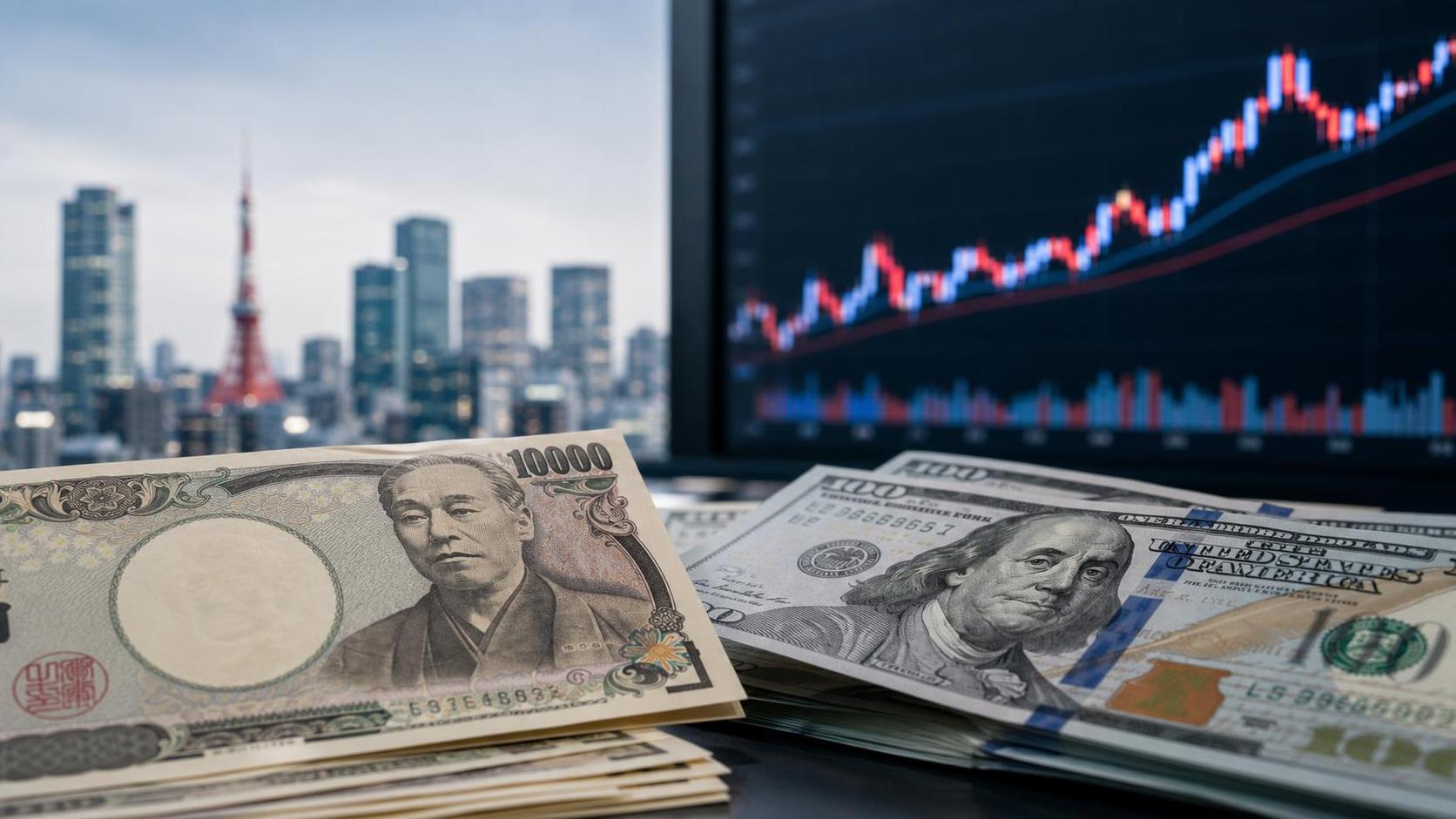
The dollar's rise and the yen's decline accelerated again, with the yen falling into the 163 per dollar range in New York trading on the 21st, its weakest level since 1986. Stronger dollar buying on heightened Middle East tensions and the Japanese government's Basic Policy failed to ease market concerns over yen weakness.
Dollar buying dominates on Middle East tensions
The yen had been moving in a narrow range against the dollar over the past two weeks, but it turned lower from the early hours of the 21st, US Eastern time. Around 10 a.m., it broke below the recent low of 162.84 yen marked on July 1 and, amid yen-buying orders anticipating foreign exchange intervention and stop-loss orders, quickly fell into the 163 yen range for the first time in 39 years and seven months.
The dollar index rose to the 101 level, up 0.2 point from the 20th. US President Donald Trump warned on the 21st that he planned to attack 'very hard and soon' areas where Iran is said to be building nuclear-related facilities, prompting risk-averse dollar buying. Although the United States and Iran exchanged a memorandum in mid-June aimed at ending hostilities, concern is growing that the conflict could again escalate into a full-blown clash.
Another factor was that the Iran-backed armed group Houthis on the 20th declared it would immediately impose a 'maritime blockade' on Saudi Arabia with the Red Sea in mind. On expectations that the stagnation in energy supplies would drag on, front-month WTI futures briefly rose to the 85 dollar-per-barrel range on the 21st, the highest since mid-June.
The yield on 10-year US Treasuries, a benchmark for long-term US rates, rose to the 4.6% range. Expectations that inflationary pressure would also spread to the United States helped support dollar buying on the prospect of interest income.
Factors supporting yen weakness
Concerns over a blockade of the Red Sea are also a yen-negative factor for Japan. For Japan, which relies heavily on oil from the Middle East, higher crude prices tend to widen the trade deficit. Atsuhide Sakamoto, senior economist at Sumitomo Mitsui Banking Corp. in New York, said the main driver at present is dollar buying, adding that 'the logic that higher oil prices widen Japan's trade deficit and lead to yen weakness will have an effect over the medium to long term.'
The government's Basic Policy for Economic and Fiscal Management and Reform, which the market had been watching closely, did not provide a reason to halt the yen's decline. The draft released in June had been interpreted as a check on possible Bank of Japan rate hikes, sending long-term yields sharply higher. The version approved by the Cabinet on the 21st added a reference to the BOJ's independence, showing some consideration for the market. Sakamoto said that 'concerns about fiscal expansion as a yen-selling factor have receded,' but the view is spreading that there are still few catalysts for yen buying.
Risk of intervention rises after break above major level
With the yen breaking into the 163 range, market concern is also rising over yen-buying intervention by the government and the Bank of Japan. A Japanese bank official in New York said, 'We are watching remarks from Finance Minister Satsuki Katayama and Vice Finance Minister for International Affairs Atsushi Mimura, among others, from the morning in Japan time.' With few direct signals from the Finance Ministry to check yen weakness, the market is likely to remain focused on the authorities' actions and the timing of any intervention.
Enjoyed this article? Share it with your network!