





Kantei-led draft sharpens Finance Ministry sidelining, markets rattle
 2026-07-21
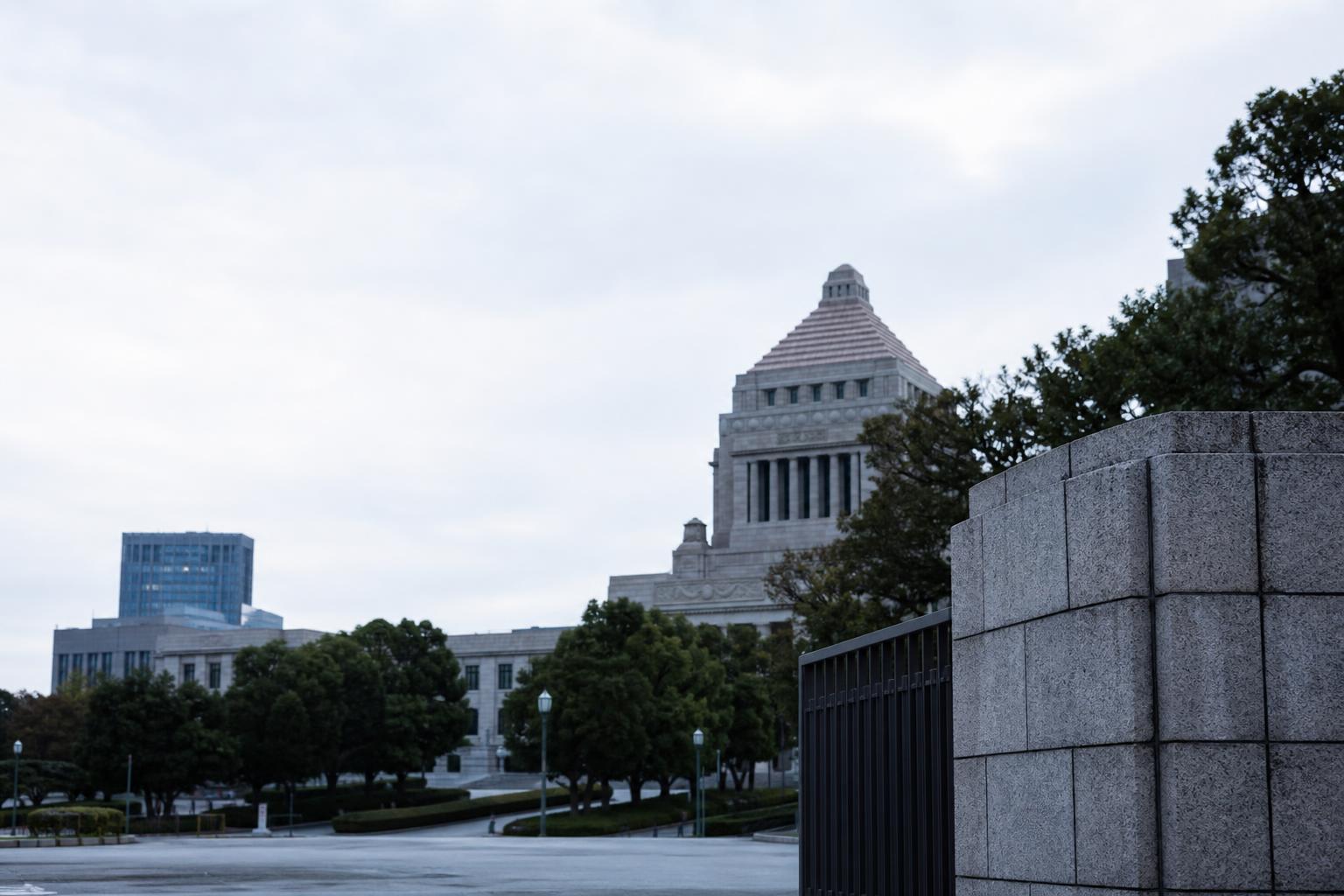
Kantei-led draft
The Basic Policy on Economic and Fiscal Management followed an unusual path before the government approved it on the 21st. In November 2025, shortly after the Takaichi administration took office, Economic and Fiscal Policy Minister Minoru Kiuchi, the government's chief coordinator on economic and fiscal management, said, 'We will write it from scratch ourselves. We will not let the Finance Ministry draft the original version,' and set up a working group made up of economic advisers to Prime Minister Sanae Takaichi.
Sidelining the Finance Ministry
The Basic Policy on Economic and Fiscal Management began in 2001 as a framework for showing policy direction before budget request guidelines, but the Finance Ministry long held practical control. The prime minister and Kiuchi aimed to pull that real control away from the ministry.
At a June 25 meeting of the Council on Economic and Fiscal Policy, the prime minister said, 'As a goal for fiscal management, we will place core importance on steadily lowering the ratio of the combined central and local government debt balance to GDP (gross domestic product),' and moved to draw up a new economic and fiscal plan. Based on proposals from the working group and a lawmakers' league close to the prime minister, the aim was to create a 'medium- to long-term economic and fiscal plan' based on responsible proactive fiscal policy, making it less bound by annual constraints such as the primary balance. The framework eventually included items such as multi-year budget allocations that the Finance Ministry had previously treated cautiously.
The situation changed sharply on June 30, when the full draft was released. The draft did not include the phrase 'fiscal consolidation' and also stressed that proper monetary policy operations at the Bank of Japan were 'very important.' This heightened market caution and led to higher long-term yields and further yen weakness.
Coordination over revisions
At the Prime Minister's Office, meanwhile, the initial stance was to watch from the sidelines. Kiuchi was said to have told people around him, 'Interest rates are rising in countries around the world. Fueling a 'Basic Policy shock' is just a self-created problem.'
Under a political climate dominated by the Prime Minister's Office, no ministry openly challenged the move. As market pressure intensified, the effort to calm things down came through a channel different from the formal route.
Finance Minister Satsuki Katayama phoned Liberal Democratic Party policy chief Takayuki Kobayashi and said she wanted to change the wording on monetary policy. She moved to have the party submit a request for revisions. On July 7, a week after the draft was released, a senior government official said, 'Because the market is getting noisy, we are thinking of adding a footnote about the Bank of Japan's independence,' and the government began coordinating wording changes with the Cabinet Office, taking into account the party's moves.
Final editing at the official residence
On the 9th, long-term yields temporarily rose to 2.9%, the highest level in about 30 years. In the end, revisions were made including a statement that 'specific methods of monetary policy are entrusted to the Bank of Japan under Article 3 of the Bank of Japan Act,' and the market regained calm.
During that time, the prime minister personally made handwritten edits at the official residence and handled the final adjustments. According to people involved, 'On the weekend, she kept reading thick documents from early morning until late at night.' With an emphasis on messaging, this year's Basic Policy was trimmed to 38 pages from more than 50 pages in recent years.
At a party leaders' debate on the 15th, the prime minister said, 'I do not think a draft that had not even been approved by the Cabinet was the cause of the Basic Policy shock.' The first Basic Policy compiled after regaining control from the Finance Ministry ironically highlighted the distance between the market and the prime minister.
Enjoyed this article? Share it with your network!