





Off-balance-sheet AI debt at US big tech hits $1.65 trillion
 2026-07-20
Off-balance-sheet future obligations tied to artificial intelligence investment are surging at US big tech companies. The combined total for the five largest firms has reached $1.65 trillion, or about 268 trillion yen, eight times the level about four years ago. It now exceeds their actual debt, making it even harder to assess investment risks.
Off-balance-sheet debt exceeds actual debt
The companies in focus are Alphabet, Microsoft, Amazon.com, Meta and Oracle. Based on the latest earnings materials and other disclosures, the debt not recorded on balance sheets totalled $1.65 trillion. That is more than the roughly $1.35 trillion of actual debt shown on balance sheets. Meta stands out at about $420 billion, swelling to 2.8 times its actual level.
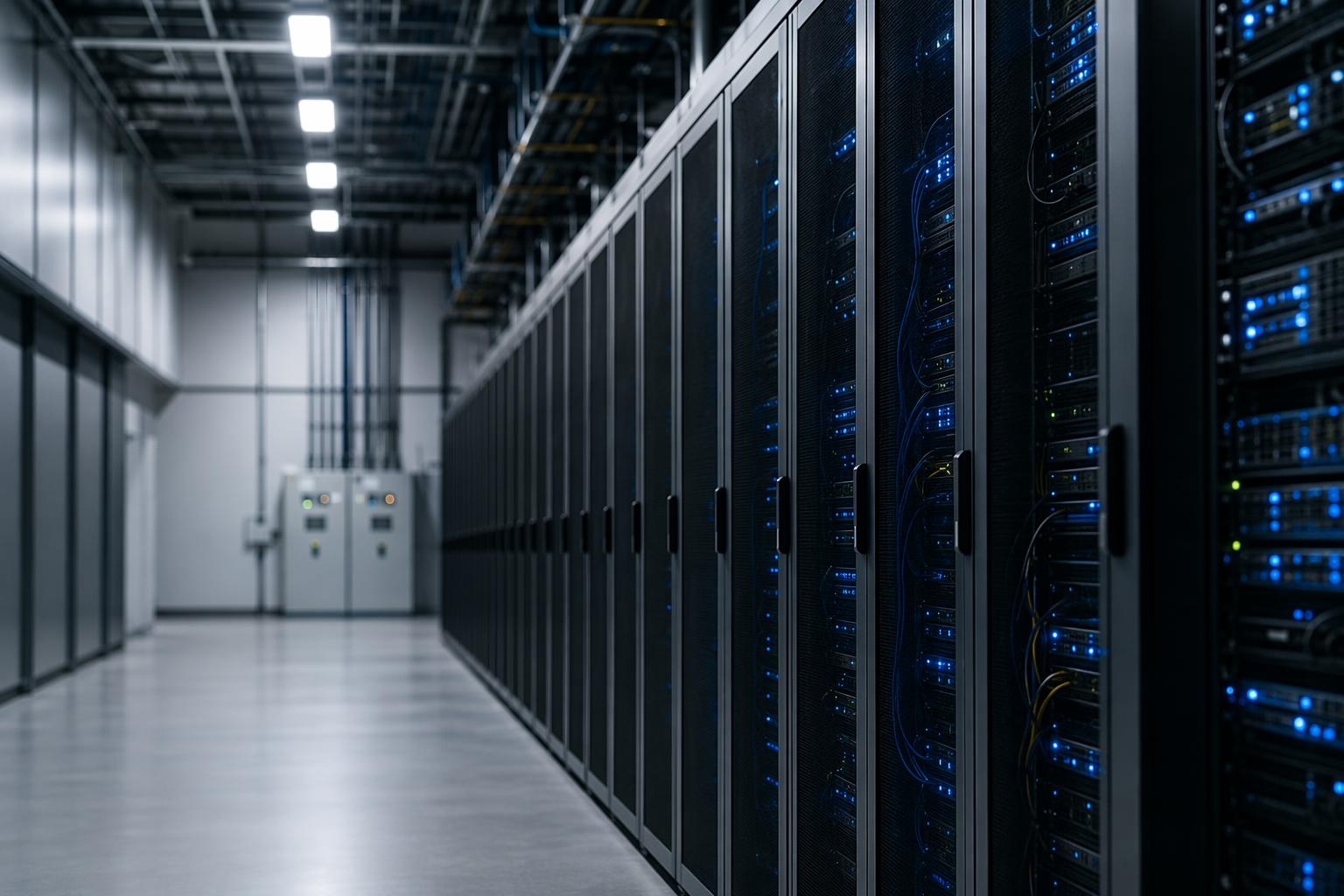
Big tech companies are rapidly expanding the data centres and computing resources essential for AI development. GPU and server purchases are often made under long-term contracts, while data centre construction increasingly relies on lease agreements with outside operators, allowing firms to secure facilities while limiting upfront costs. Under accounting rules, GPUs not yet delivered and data centres not yet in service are treated as off-balance-sheet items and are not reflected on balance sheets.
Visible only in notes disclosures
Oracle is moving ahead with the Stargate large-scale data centre project with OpenAI and relies on leases with outside operators. Its hidden obligations stood at $273.3 billion at the end of May 2026, more than 30 times higher over four years.
Such obligations are explained not on the balance sheet but in notes to quarterly earnings reports and other filings. The accounting treatment is appropriate, but individual investors may find the risks harder to grasp. Morgan Stanley has deepened its analysis in investor reports, and Moody's also pointed in February to the swelling of pre-operational lease commitments.
Meanwhile, tech giants expect earnings to exceed future obligations. Remaining performance obligations at Microsoft, Alphabet and Amazon's cloud businesses, among others, reached a combined $1.45 trillion at the end of March, although definitions differ. Matt Garman, chief executive of Amazon Web Services, stressed that the investment is 'not speculative'.
Institutional money also being used
The expansion of hidden liabilities is also being driven by financing that draws in institutional investors. Meta has formed a joint venture with US investment firm Blue Owl Capital and is building a giant data centre in Louisiana. At the time of the 2025 announcement, total development costs were put at $27 billion, but Meta is securing computing capacity with relatively little investment by taking a 20% stake in the operator while using the facility under a lease agreement. On the 13th, Meta also said total investment at the site was expected to exceed $50 billion.
Meta has also signed agreements that guarantee investor-side losses if the data centre is no longer needed and the lease is terminated. Big tech companies are already spending more on investment than they generate in earnings, and are accelerating capital expenditure not only through corporate bond issuance and new share offerings but also by tapping institutional money.
Economists at the Bank for International Settlements described this practice as 'shadow borrowing' in a March report, referring to a way of raising funds from institutional investors without increasing actual debt. A senior official at a domestic audit firm said concerns are growing that the true financial burden is larger than what is visible from the balance sheet.
Circular risk in AI investment
Much of the hidden debt will eventually surface. When data centres go live, the actual burden becomes heavier, and if AI demand growth slows, utilisation rates could fall and asset values may decline.
The current AI industry is partly supported by 'circular investment', in which Nvidia and big tech companies invest in customers such as data centre operators and AI companies, and the money then comes back in the form of GPU purchases and cloud usage fees. The structure resembles the dotcom bubble era, when major telecom equipment makers financed emerging internet companies, making excessive investment more likely.
About four years have passed since the launch of ChatGPT. Generative AI has expanded into an area carrying national security concerns, including possible use in cyberattacks. Behind the vast sums supporting its growth, off-balance-sheet debt continues to pile up.
Enjoyed this article? Share it with your network!