





Jordan intercepts Iranian missiles; debris falls in Eilat
 2026-07-19
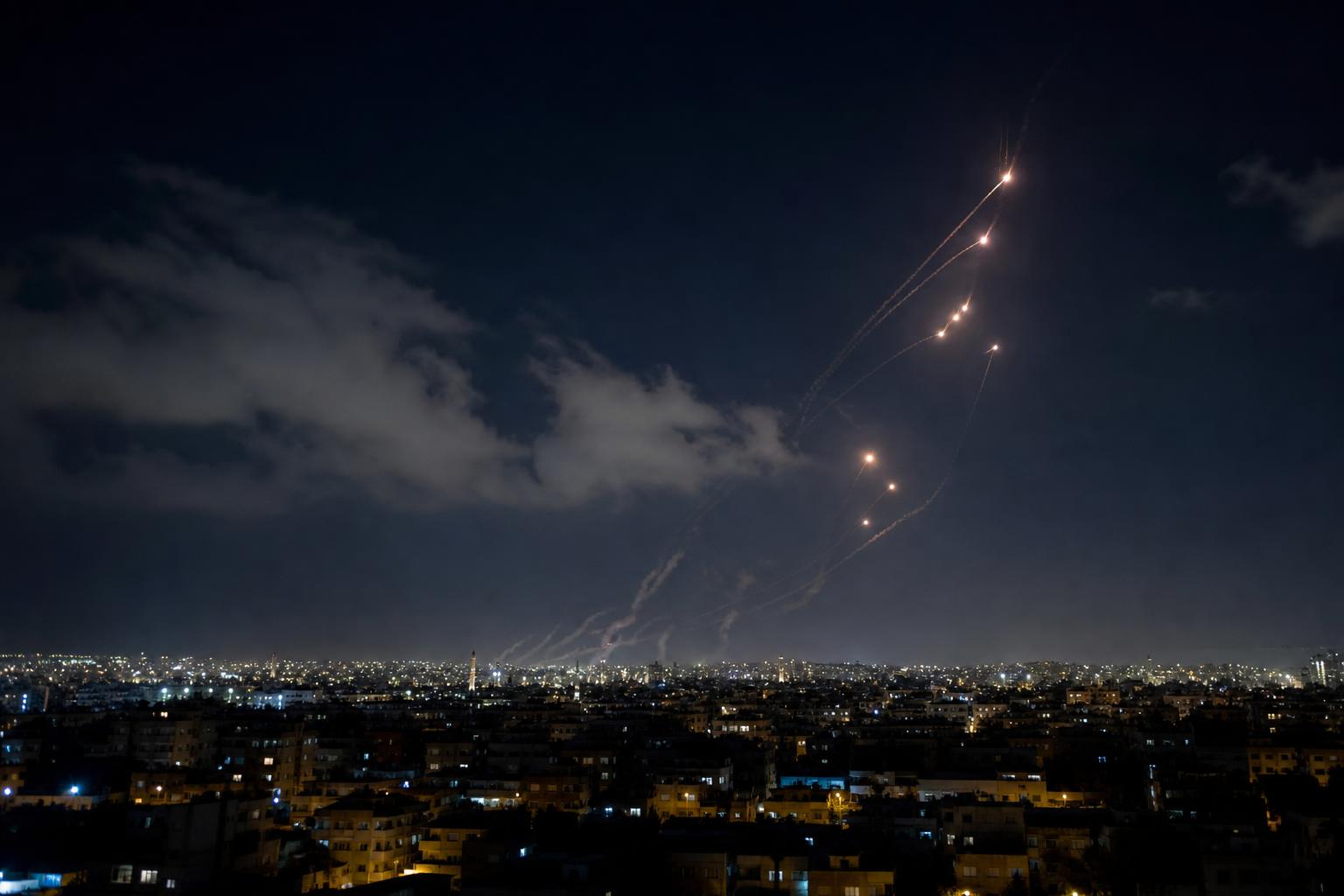
Jordan says it intercepted missiles
Jordan's military said on the 19th that it intercepted at least three missiles that flew in from Iran. The target was believed to be a city in southern Jordan near Israeli territory. The Israeli military also said it fired interceptor missiles to prevent debris from falling, and that fragments landed in the southern city of Eilat.
Fears grow over wider retaliation
Iran, angered by the US attack, is showing signs of broadening the scope of its retaliation. It initially limited its response to US military facilities in Gulf Arab states, but recently has begun targeting civilian infrastructure in Gulf countries and targets farther from Iran, such as Jordan.
The confrontation between Israel and Iran, which are not directly involved in the memorandum aimed at ending the US-Iran fighting, is also becoming more precarious. Israel is believed to be dissatisfied with the memorandum, while refraining from direct attacks on Iran's mainland. Iran has also avoided operations that directly target Israel.
Attacks on civilian facilities spread
Israel's Defense Minister Katz warned on the 19th, 'If Iran launches missile attacks, we will retaliate with full force. We are prepared for both defense and attack.' It appears to be highly alert to missiles flying into areas close to its own territory.
Jordan's Foreign Ministry on the same day summoned the Iranian charge d'affaires and condemned the missiles from Iran as an 'unjustified and blatant attack.' Iran has said they were aimed at a US military base in Jordan.
Attacks on civilian infrastructure are also spreading. Kuwait said on the 19th that there had been attacks on a desalination facility by Iran for a second consecutive day, criticizing them as 'attacks on civilian infrastructure in violation of international law.'
The Islamic Revolutionary Guard Corps said on the same day that two vessels were 'caught in an accident' after attempting to pass through a 'dangerous route' in the Strait of Hormuz while ignoring Iranian warnings. It again asserted control over the strait and warned that ships passing through the 'dangerous route' would 'certainly be involved in accidents,' but provided no details.
The United States and Iran agreed in mid-June on a 14-point memorandum to end the fighting. They had said they would aim for a final agreement through 60 days of negotiations, but the confrontation has only deepened.
Enjoyed this article? Share it with your network!