





SpaceX heads for first Starship test since IPO, as soon as the 16th
 2026-07-16
Launch overview
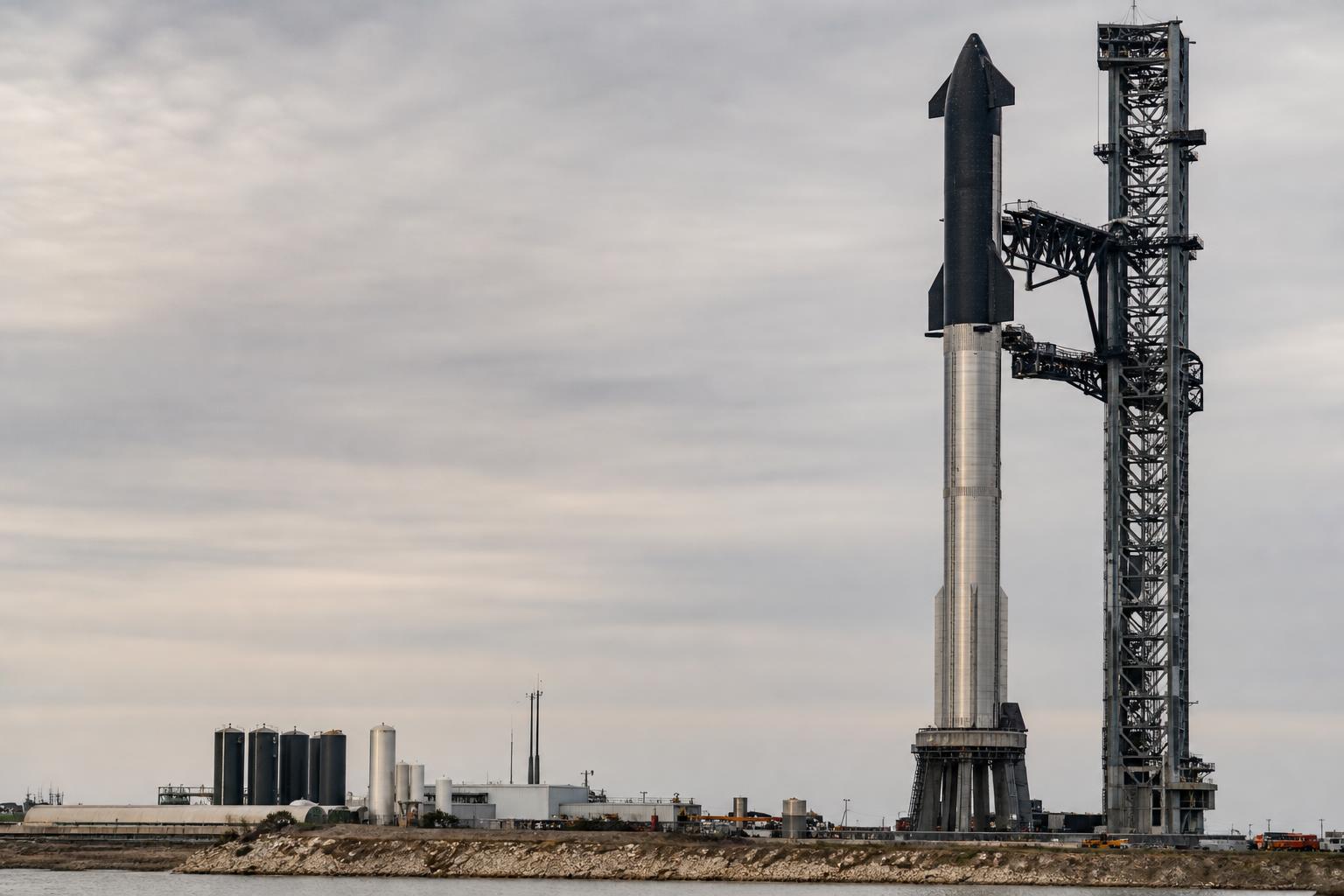
U.S. SpaceX is set to launch Starship, the world’s largest rocket, as soon as the 16th, or the morning of the 17th Japan time. It will be the first test since the June initial public offering (IPO) and a key milestone toward next-generation satellite communications and the realization of space data centers for artificial intelligence (AI).
SpaceX plans to launch the latest version of Starship, 'V3', from south Texas at 5:45 p.m. U.S. Central time on the 16th, or 7:45 a.m. Japan time on the 17th, for an approximately one-hour flight test. The test also includes a planned experiment to deploy the latest satellites for its Starlink communications business into space. It will be the 13th launch test.
Reviewing the previous malfunction
Starship is 124 meters long, about 80% longer than the current flagship rocket, Falcon 9. Its payload capacity for carrying satellites and other cargo into space is about 100 tons, roughly four times that of Falcon 9. It is a reusable rocket combining an upper-stage spacecraft and a lower-stage booster, and SpaceX aims to put it into commercial service in the second half of 2026.
In the previous test in May, the upper stage completed its flight, but the lower-stage booster lost control due to engine trouble. The U.S. Federal Aviation Administration (FAA) classified it as an accident and grounded Starship until July 13. According to the FAA, SpaceX cited heat stress on propulsion system components and a configuration error in the engine warning system as the causes.
Key to business expansion
For SpaceX, which has outlined a plan to build data centers for AI in space, establishing a way to carry cargo into space frequently and at low cost is indispensable. Current rockets are not sufficient, and the company said in its IPO prospectus that its growth strategy 'depends heavily on Starship'.
In its communications business as well, Starship is seen as essential to rolling out next-generation services. Next-generation satellites that will increase communications capacity tenfold are getting larger and cannot be carried into low Earth orbit by existing rockets. To pull ahead of rivals entering satellite communications, including U.S. Amazon.com, Starship will need to be put into practical use.
In the Artemis lunar exploration program led by the U.S. National Aeronautics and Space Administration (NASA), Starship is also slated to be used as a lunar lander and a refueling vehicle. Elon Musk, chief executive officer (CEO), said in a June interview that if practical use advances, the amount of cargo that can be placed into orbit will reach 1 million tons a year in three years, adding that he is considering 10,000 launches a year.
SpaceX shares briefly fell below the IPO price of $135 on the 15th. Market attention is also focused on how the outcome of this test will affect the stock price.
Enjoyed this article? Share it with your network!